
Industrial operations rely on the seamless functioning of valves to ensure safety, efficiency, and productivity. When valves fail unexpectedly, the consequences can be costly—ranging from unplanned downtime to safety hazards and production losses. This is why many facilities are turning to valve maintenance scheduling software to proactively manage maintenance tasks, minimize disruptions, and extend equipment life.
Modern digital tools are transforming how maintenance teams approach asset reliability. By automating schedules, tracking performance data, and providing actionable insights, these solutions help organizations stay ahead of potential issues. For those seeking to optimize their maintenance strategies, integrating advanced digital platforms is becoming an industry standard.
To further enhance precision and reliability, many plants are also leveraging valve monitoring instrumentation tools that work in tandem with digital scheduling platforms. These integrated solutions provide a holistic approach to valve management, supporting both preventive and predictive maintenance.
Why Unplanned Valve Failures Are So Costly
Unexpected valve breakdowns can halt production lines, disrupt critical processes, and even pose safety risks. The direct costs include emergency repairs and lost output, but indirect expenses—such as regulatory penalties, wasted resources, and reputational damage—can be even more significant. In sectors like oil and gas, water treatment, and manufacturing, a single failure may impact entire operations.
Traditional maintenance approaches, such as reactive repairs or fixed-interval servicing, often fall short. They either miss early warning signs or waste resources on unnecessary work. This is where digital scheduling tools offer a clear advantage.
How Maintenance Scheduling Platforms Work
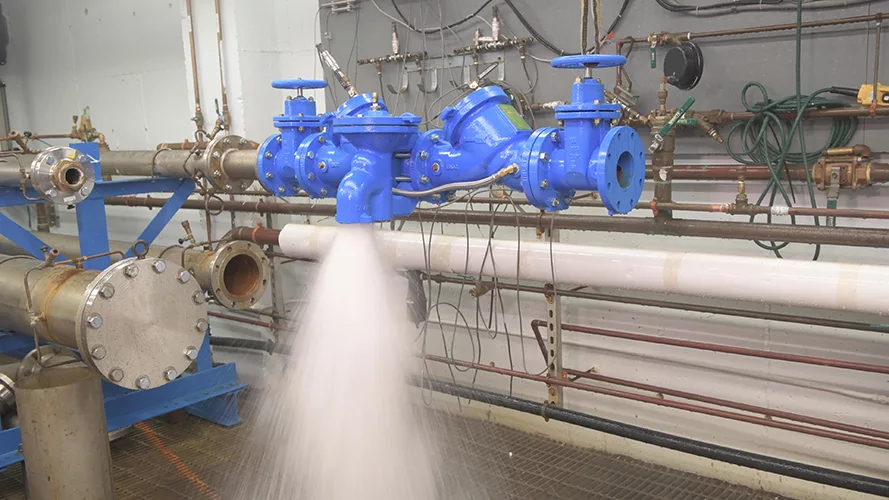
Valve maintenance scheduling software automates and optimizes the planning of inspection, lubrication, calibration, and replacement tasks. These platforms typically offer features such as:
- Centralized asset databases for all valve types and locations
- Automated reminders and work orders based on usage, condition, or time intervals
- Integration with sensor data and monitoring systems for real-time insights
- Historical tracking of maintenance activities and performance trends
- Mobile access for field technicians to update records on-site
By digitizing these processes, teams can prioritize critical assets, allocate resources efficiently, and ensure compliance with industry standards.
Benefits of Using Digital Scheduling for Valve Maintenance
Implementing a dedicated scheduling solution brings several measurable advantages:
- Reduced unplanned downtime: Proactive scheduling helps catch issues before they escalate, minimizing unexpected stops.
- Improved asset reliability: Regular, data-driven maintenance extends valve life and reduces the risk of catastrophic failures.
- Enhanced safety: Timely servicing of critical valves supports safe operation, especially in hazardous environments.
- Lower maintenance costs: Optimized schedules prevent over-servicing and reduce emergency repair expenses.
- Regulatory compliance: Automated documentation simplifies audits and ensures adherence to industry regulations.
For organizations seeking even deeper insights, pairing scheduling tools with advanced valve analytics systems can unlock predictive capabilities, enabling truly proactive maintenance strategies.
Key Features to Look For in a Valve Maintenance Solution
Selecting the right digital platform is crucial for maximizing the impact of your reliability program. Consider these essential features:
- Customizable scheduling rules: Flexibility to set intervals based on usage, condition, or manufacturer recommendations.
- Integration with monitoring devices: Compatibility with sensors and industrial valve monitoring solutions for real-time data collection.
- Automated alerts and notifications: Ensure no maintenance task is overlooked, even across large asset fleets.
- Comprehensive reporting: Generate maintenance histories, compliance records, and performance analytics easily.
- User-friendly interface: Simplifies adoption and daily use for both management and field staff.
Some platforms also offer mobile apps, cloud-based access, and integration with enterprise asset management (EAM) or computerized maintenance management systems (CMMS).
Integrating Scheduling Tools With Predictive Maintenance
The most effective reliability programs combine scheduled tasks with predictive analytics. By leveraging data from sensors, historical records, and machine learning models, teams can anticipate failures before they occur. Solutions like valve anomaly prediction models provide early warnings, allowing maintenance to be scheduled at the optimal time.
Combining these predictive insights with automated scheduling creates a closed-loop system: data informs the schedule, and completed tasks feed back into the analytics for continuous improvement.
Real-World Applications and Industry Impact
Industries such as oil and gas, chemical processing, water utilities, and power generation are leading the adoption of digital maintenance tools. In these environments, even a brief unplanned stop can have significant financial and operational repercussions.
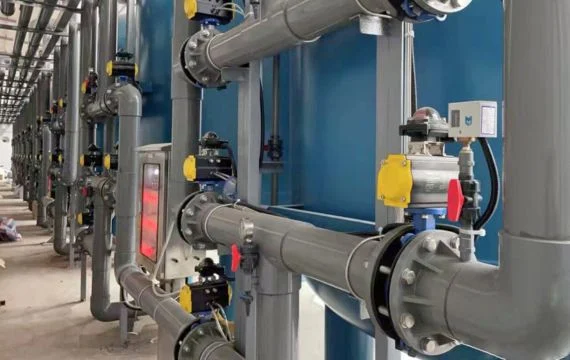
For example, a water treatment facility using digital scheduling and valve performance data analytics can monitor asset health, optimize maintenance intervals, and reduce emergency interventions. This not only improves reliability but also supports sustainability goals by minimizing waste and energy use.
Process industries are also integrating these tools with broader digital transformation initiatives, linking valve management to other critical systems for a unified view of plant operations.
Choosing and Implementing the Right Solution
When evaluating valve maintenance scheduling software, consider your facility’s specific needs, asset types, and existing IT infrastructure. Key steps for successful implementation include:
- Conducting an asset inventory and identifying critical valves
- Defining maintenance objectives and compliance requirements
- Assessing integration needs with current monitoring and analytics platforms
- Training staff on new workflows and digital tools
- Establishing KPIs to measure improvements in reliability and cost savings
Consulting with solution providers and industry experts can help tailor the platform to your operational context. For more on how digital monitoring enhances process control, see this overview of valve monitoring and control in process industries.
Frequently Asked Questions
What is valve maintenance scheduling software?
It is a digital platform that automates the planning, tracking, and documentation of maintenance tasks for industrial valves. These tools help ensure timely inspections, repairs, and replacements to prevent unexpected failures.
How does digital scheduling reduce unplanned downtime?
By providing automated reminders, integrating with monitoring sensors, and enabling data-driven decisions, these platforms help maintenance teams address issues before they lead to equipment failure or process interruptions.
Can scheduling tools integrate with other plant systems?
Yes. Many modern solutions offer integration with asset monitoring devices, analytics platforms, and enterprise maintenance management systems, creating a unified approach to reliability and operational efficiency.