The industrial landscape is undergoing a rapid transformation as digitalization and automation become central to plant operations. Among the most impactful advancements is the integration of smart industrial valve sensors, which enable operators to capture and analyze real-time data from critical flow control points. These intelligent devices are reshaping how industries monitor, maintain, and optimize their valve assets, driving improvements in safety, efficiency, and predictive maintenance.
With the increasing complexity of modern plants, traditional manual inspections and periodic maintenance routines are no longer sufficient. Facilities now require continuous, accurate insights into valve performance to prevent unplanned downtime and costly failures. By leveraging advanced sensor technologies, organizations can transition from reactive to proactive asset management, unlocking new levels of operational excellence.
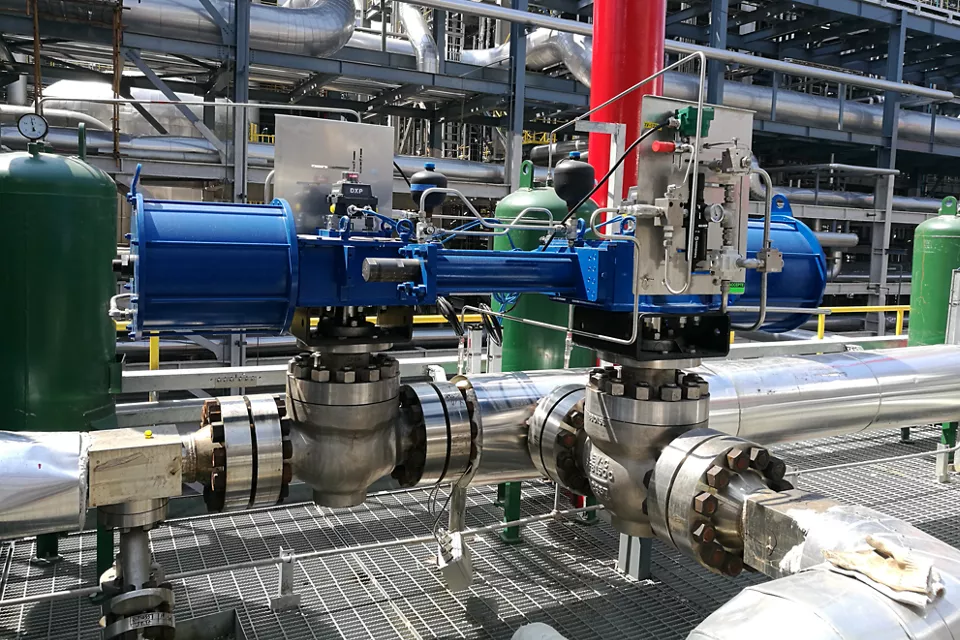
For those seeking a comprehensive overview of the latest monitoring technologies, valve monitoring instrumentation tools offer valuable insights into precision control and data-driven decision-making.
How Intelligent Valve Sensors Work in Industrial Settings
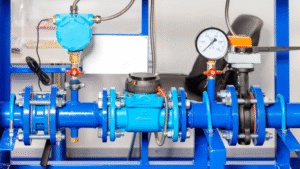
Smart industrial valve sensors are designed to capture a wide range of operational parameters, including position, pressure, temperature, vibration, and flow. These sensors are typically installed directly on or near the valve body, where they continuously monitor conditions and transmit data to centralized control systems or cloud-based analytics platforms.
The core components of these systems include:
- Position sensors – Track the open/closed status and intermediate positions of valves, ensuring accurate process control.
- Pressure and temperature sensors – Detect abnormal fluctuations that may indicate leaks, blockages, or process upsets.
- Vibration and acoustic sensors – Identify early signs of mechanical wear, cavitation, or impending failure.
- Wireless communication modules – Enable remote monitoring and integration with plant-wide IIoT (Industrial Internet of Things) networks.
By aggregating and analyzing this data in real time, operators can quickly identify deviations from normal operating conditions and take corrective action before minor issues escalate into major problems.
Benefits of Real-Time Valve Data for Industrial Operations
The adoption of smart valve monitoring solutions delivers a range of tangible benefits for industrial facilities:
- Reduced downtime – Early detection of anomalies allows for timely intervention, minimizing unplanned outages and production losses.
- Enhanced safety – Continuous monitoring helps identify hazardous conditions, such as leaks or stuck valves, before they pose risks to personnel or the environment.
- Optimized maintenance – Data-driven insights support predictive maintenance strategies, enabling teams to schedule repairs based on actual equipment health rather than fixed intervals.
- Improved regulatory compliance – Automated data logging and reporting simplify adherence to industry standards and audit requirements.
- Greater process efficiency – Real-time feedback enables fine-tuning of process parameters, reducing waste and improving product quality.
These advantages make a compelling case for integrating advanced sensor technology into both new and existing valve installations.
Key Features of Next-Generation Valve Sensor Systems
Modern smart industrial valve sensors are engineered for reliability, scalability, and ease of integration. Some of the standout features include:
- Plug-and-play installation – Many sensors are designed for non-intrusive mounting and can be retrofitted onto legacy valve assets without major modifications.
- Wireless connectivity – Support for protocols such as WirelessHART, ISA100, or Bluetooth Low Energy enables flexible deployment and reduces wiring costs.
- Edge computing capabilities – Onboard processing allows for local data filtering and event detection, reducing network congestion and latency.
- Long battery life – Energy-efficient designs ensure years of operation with minimal maintenance, even in remote or hazardous locations.
- Robust environmental protection – Industrial-grade enclosures safeguard sensors from dust, moisture, vibration, and temperature extremes.
These features ensure that smart sensors can deliver reliable performance in demanding industrial environments, from chemical plants and refineries to water treatment facilities and power generation sites.
Integrating Valve Sensors with Advanced Analytics Platforms
The true value of real-time valve data is unlocked when it is combined with advanced analytics and machine learning tools. By feeding sensor data into centralized platforms, organizations can gain deeper insights into asset health, process trends, and potential failure modes.
For example, advanced valve analytics systems enable predictive maintenance by identifying subtle patterns that precede equipment degradation. These platforms can automatically generate alerts, recommend maintenance actions, and even optimize spare parts inventory based on historical performance.
Additionally, integrating sensor data with plant-wide control systems supports closed-loop optimization, where process parameters are continuously adjusted in response to real-time feedback. This level of automation not only improves efficiency but also reduces the risk of human error.
Challenges and Considerations for Implementation
While the benefits of smart valve monitoring are clear, successful deployment requires careful planning and consideration of several factors:
- Compatibility – Ensure that sensors are compatible with existing valve types, control systems, and communication protocols.
- Cybersecurity – Protecting sensor data from unauthorized access and tampering is critical, especially as connectivity increases.
- Data management – Establish robust processes for storing, analyzing, and acting on large volumes of real-time data.
- Change management – Provide training and support to help staff adapt to new technologies and workflows.
- Cost-benefit analysis – Evaluate the return on investment by considering both direct and indirect savings from reduced downtime, maintenance, and improved process control.
Addressing these challenges early in the project lifecycle will help ensure a smooth transition and maximize the value of sensor investments.
Industry Applications and Use Cases
Smart industrial valve sensors are being adopted across a wide range of industries, each with unique requirements and challenges:
- Oil & Gas – Monitor critical isolation and control valves in pipelines, refineries, and offshore platforms to prevent leaks and ensure safe operation.
- Chemical Processing – Detect process deviations and equipment wear to maintain product quality and safety standards.
- Water & Wastewater – Enable remote monitoring of valves in distributed networks, reducing the need for manual inspections.
- Power Generation – Optimize steam and cooling water systems by tracking valve performance and predicting failures.
- Pharmaceuticals – Support stringent regulatory compliance with automated data logging and validation.
For a deeper dive into how these technologies are being applied, resources such as comprehensive valve diagnostics libraries provide detailed case studies and technical documentation.
Future Trends in Valve Monitoring Technology
The evolution of smart valve sensor systems is closely tied to broader trends in industrial automation and digital transformation. Key developments on the horizon include:
- Artificial intelligence integration – Machine learning algorithms will further enhance predictive maintenance and anomaly detection capabilities.
- Edge-to-cloud architectures – Seamless data flow from sensors to cloud-based analytics will enable real-time, enterprise-wide optimization.
- Self-powered sensors – Advances in energy harvesting could eliminate the need for battery replacements, reducing maintenance overhead.
- Standardization – Industry-wide standards for data formats and communication protocols will simplify integration and interoperability.
As these innovations mature, the role of smart sensors in industrial operations will only continue to grow, enabling safer, more efficient, and more sustainable processes.
FAQ
What types of data do smart industrial valve sensors collect?
These sensors typically monitor parameters such as valve position, pressure, temperature, vibration, and flow rate. The specific data collected depends on the sensor type and the application requirements.
How do smart valve sensors improve maintenance strategies?
By providing continuous, real-time data on valve health and performance, smart sensors enable predictive maintenance. This approach allows maintenance teams to address issues before they cause failures, reducing downtime and maintenance costs.
Are smart valve sensors compatible with existing industrial systems?
Most modern sensors are designed for easy integration with a wide range of valve types and control systems. Many offer wireless connectivity and support common industrial communication protocols, making retrofitting straightforward.
Conclusion
The adoption of smart industrial valve sensors marks a significant step forward in the digitalization of industrial operations. By delivering real-time insights into valve performance and health, these devices empower organizations to enhance safety, optimize maintenance, and drive operational excellence. As the technology continues to evolve, its impact will be felt across every sector that relies on reliable flow control and process automation.