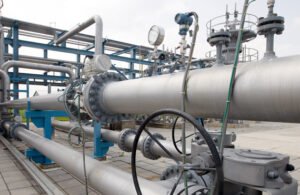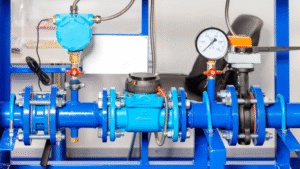

Industrial operations depend heavily on the reliability of valves, which play a crucial role in controlling flow, pressure, and safety across a range of processes. Unexpected valve malfunctions can lead to costly downtime, safety hazards, and unplanned maintenance. To address these challenges, valve failure prediction systems have emerged as a cornerstone of modern, proactive maintenance strategies. These solutions leverage advanced sensors, analytics, and real-time monitoring to anticipate potential issues before they escalate, helping facilities maintain uptime and optimize resources.
As industries move toward smarter, data-driven operations, integrating predictive technologies is no longer a luxury—it’s a necessity for maintaining competitiveness and operational excellence. For those seeking to enhance their approach, exploring valve monitoring instrumentation tools can provide a strong foundation for implementing predictive maintenance and achieving greater control over asset health.
Understanding Predictive Valve Monitoring
Traditional maintenance approaches often rely on scheduled inspections or reactive repairs after a failure occurs. In contrast, predictive monitoring uses continuous data collection and analysis to identify early warning signs of valve degradation. By tracking parameters such as vibration, temperature, pressure, and acoustic signals, these systems can detect subtle changes that indicate wear, leakage, or impending failure.
Modern valve failure prediction systems combine hardware sensors with powerful analytics platforms. Data from the field is processed using algorithms—sometimes incorporating machine learning—to recognize patterns associated with specific failure modes. This enables maintenance teams to intervene at the optimal time, reducing unnecessary servicing and preventing unexpected breakdowns.
Key Components of Valve Health Prediction Solutions
Effective predictive maintenance relies on several integrated elements. Here are the primary components found in most advanced valve monitoring architectures:
- Sensors and Instrumentation: Devices that measure physical variables such as position, flow, pressure, and temperature. Some systems also use acoustic or ultrasonic sensors to detect leaks or abnormal vibrations.
- Data Acquisition and Transmission: Gateways and communication modules collect sensor data and transmit it to centralized platforms, often using industrial protocols or wireless networks.
- Analytics Engine: Software that processes incoming data, applying rules, statistical models, or machine learning to identify anomalies and predict failures.
- User Interface and Alerts: Dashboards and notification systems that present actionable insights to maintenance teams, enabling timely interventions.
For organizations seeking to expand their capabilities, integrating advanced valve analytics systems can further enhance the accuracy and value of predictive insights.
Benefits of Proactive Maintenance Using Prediction Systems
Implementing predictive solutions for valve management delivers a range of tangible benefits:
- Reduced Downtime: Early detection of issues allows for planned maintenance, minimizing unplanned outages and production losses.
- Cost Savings: By addressing problems before they escalate, facilities can avoid expensive emergency repairs and extend the lifespan of critical assets.
- Improved Safety: Proactive identification of valve faults reduces the risk of hazardous incidents, protecting personnel and equipment.
- Resource Optimization: Maintenance resources are allocated more efficiently, focusing on assets that truly require attention.
- Regulatory Compliance: Enhanced monitoring supports documentation and compliance with industry standards and safety regulations.
These advantages make predictive valve monitoring a compelling investment for industries such as oil and gas, chemical processing, water treatment, and power generation.
How Predictive Technologies Work in Practice
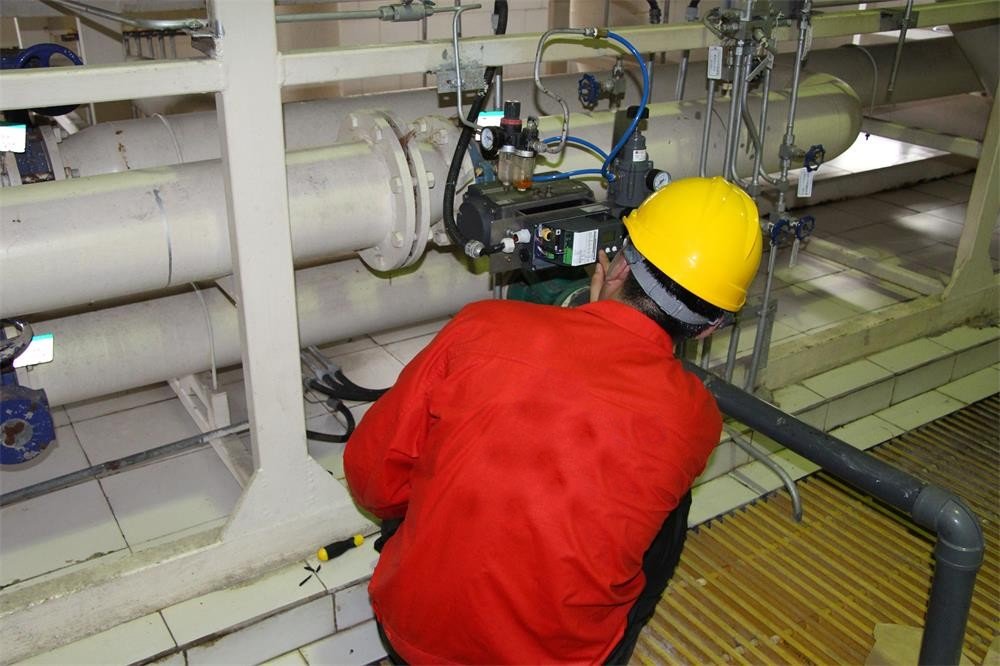
In a typical deployment, sensors are installed on or near critical valves throughout a facility. These sensors continuously monitor operational parameters and transmit data to a central analytics platform. The software analyzes trends and compares real-time data against historical baselines or failure signatures.
When the system detects an anomaly—such as increased vibration, temperature spikes, or irregular movement—it generates an alert. Maintenance teams can then investigate the specific valve, assess its condition, and schedule repairs or replacements as needed. This targeted approach reduces unnecessary inspections and ensures that interventions are both timely and effective.
Integration with Broader Plant Systems
For maximum impact, predictive valve monitoring should not operate in isolation. Integrating these solutions with other plant systems—such as ERP, SCADA, or asset management platforms—enables a holistic view of equipment health and maintenance needs. This integration supports smarter planning, streamlined workflows, and better decision-making.
Facilities interested in comprehensive solutions can explore valve monitoring integration with ERP to connect predictive insights directly with maintenance scheduling, inventory management, and operational planning.
Industry Innovations and Future Trends
The field of predictive maintenance continues to evolve, with new technologies and methodologies enhancing the accuracy and accessibility of valve health monitoring. Recent innovations include the use of artificial intelligence, cloud-based analytics, and IoT-enabled sensors that offer greater flexibility and scalability.
For a deeper look at how industrial valve technology is advancing, see this overview of innovations in industrial valve technology, which highlights emerging trends and their impact on reliability and performance.
As these technologies mature, the barriers to adoption are decreasing, making predictive valve monitoring accessible to a wider range of industries and facility sizes.
Choosing the Right Predictive Solution
Selecting the best system for your facility involves evaluating several factors:
- Compatibility: Ensure that sensors and analytics platforms are compatible with your existing valves and control systems.
- Scalability: Choose solutions that can grow with your operation, supporting additional assets and new technologies as needed.
- Data Security: Protect sensitive operational data with robust cybersecurity measures and secure communication protocols.
- Support and Training: Partner with vendors who offer comprehensive support, training, and ongoing updates to maximize the value of your investment.
Facilities with complex or distributed operations may benefit from exploring valve monitoring industrial solutions designed for modern plants, which offer tailored features and integration options.
Best Practices for Implementation
To achieve the full benefits of predictive valve monitoring, consider these best practices:
- Start with Critical Assets: Focus initial deployments on high-value or high-risk valves where failures would have the greatest impact.
- Establish Baselines: Collect sufficient operational data to establish normal performance baselines for each valve type and application.
- Train Personnel: Ensure that maintenance and operations teams understand how to interpret alerts and use the analytics platform effectively.
- Review and Refine: Continuously review system performance and refine thresholds, algorithms, and workflows based on real-world experience.
By following these steps, organizations can maximize uptime, reduce costs, and build a culture of proactive maintenance.
FAQ: Valve Health Prediction and Proactive Maintenance
What types of valves can be monitored with predictive systems?
Most modern predictive solutions are compatible with a wide range of valve types, including ball, gate, globe, butterfly, and control valves. The choice of sensors and analytics may vary depending on the specific application and operating environment.
How does predictive monitoring differ from traditional maintenance?
Traditional maintenance often relies on fixed schedules or reactive repairs after a failure occurs. Predictive monitoring uses real-time data and analytics to identify early warning signs, enabling maintenance teams to address issues before they cause downtime or damage.
Is it difficult to integrate predictive valve monitoring with existing plant systems?
Many modern solutions are designed for seamless integration with existing control, monitoring, and asset management platforms. Working with experienced vendors and leveraging open communication standards can help ensure a smooth implementation process.