
Maintaining strict cleanliness and process integrity is essential in industries such as food and beverage, pharmaceuticals, biotechnology, and water treatment. In these sectors, hygienic valve monitoring systems play a critical role in ensuring that valves operate reliably, safely, and in compliance with stringent sanitary standards. These advanced solutions help prevent contamination, reduce downtime, and support regulatory compliance by providing real-time insights into valve status and performance.
Modern facilities are increasingly adopting digital valve monitoring to improve operational transparency, enable predictive maintenance, and ensure product quality. By integrating these systems, organizations can detect issues early, optimize cleaning cycles, and maintain the highest standards of hygiene. For those seeking to enhance their process control, exploring valve monitoring instrumentation tools can provide further insight into precision control solutions tailored for demanding environments.
Understanding the Need for Clean Process Valve Monitoring
In clean process environments, even minor valve failures or undetected leaks can lead to significant product loss, contamination, or regulatory violations. Traditional manual checks are often insufficient, as they may miss intermittent faults or fail to provide continuous oversight. This is where hygienic valve monitoring systems offer a transformative advantage, delivering automated, real-time data on valve position, seal integrity, and operational cycles.
Key industries that benefit from these solutions include:
- Pharmaceutical manufacturing – where sterility and batch traceability are paramount
- Food and beverage processing – requiring strict allergen and cross-contamination controls
- Biotechnology – demanding precise process control and validation
- Water and wastewater treatment – where hygiene and safety are critical for public health
Core Components of Modern Valve Monitoring Solutions
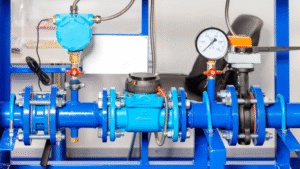
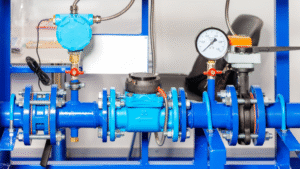
A typical hygienic valve monitoring solution combines several technologies to deliver comprehensive oversight:
- Position sensors – Detect whether valves are open, closed, or in an intermediate state
- Feedback modules – Communicate valve status to control systems or operators
- Actuator integration – Enable remote or automated operation and diagnostics
- Sanitary enclosures – Ensure all components meet hygienic design standards (e.g., smooth surfaces, minimal crevices, easy cleaning)
- Digital interfaces – Support data logging, remote monitoring, and integration with plant automation
These elements work together to provide a closed feedback loop, ensuring that any deviation from expected valve behavior is detected and addressed promptly.
Benefits of Deploying Hygienic Valve Monitoring Systems
Implementing advanced monitoring in sanitary process lines delivers several tangible benefits:
- Enhanced product safety – Immediate detection of valve misalignment or failure reduces the risk of contamination
- Regulatory compliance – Automated records support audits and demonstrate adherence to industry standards such as FDA, EHEDG, or 3-A
- Reduced downtime – Predictive alerts allow maintenance teams to address issues before they escalate, minimizing unplanned outages
- Optimized cleaning cycles – Monitoring valve cycles helps optimize cleaning-in-place (CIP) processes, saving water, chemicals, and energy
- Improved traceability – Digital logs provide a complete history of valve operations, supporting batch tracking and root cause analysis
These advantages make hygienic monitoring solutions a strategic investment for any facility focused on quality, efficiency, and safety.
Key Features to Look for in Sanitary Valve Monitoring
When evaluating solutions for clean process environments, consider the following essential features:
- Hygienic design – All components should be constructed from food-grade materials, with smooth, crevice-free surfaces for easy cleaning
- Ingress protection – High IP ratings (e.g., IP67 or above) ensure resistance to washdowns and harsh cleaning chemicals
- Compatibility – The system should integrate seamlessly with existing PLCs, SCADA, or DCS platforms
- Wireless connectivity – Enables flexible installation and reduces wiring complexity, especially in retrofit projects
- Diagnostic capabilities – Advanced systems offer self-testing, error reporting, and predictive maintenance analytics
For those interested in leveraging data-driven maintenance, exploring advanced valve analytics systems can further enhance operational reliability and efficiency.
Integration and Data Management in Clean Environments
Effective integration of monitoring systems with plant automation is crucial for maximizing value. Modern solutions support a range of communication protocols, including digital I/O, fieldbus, and industrial Ethernet. This connectivity enables real-time data sharing with supervisory systems, allowing operators to monitor valve status from a central control room or even remotely.
Data collected from valve sensors can be used to trigger alarms, generate maintenance work orders, and support continuous improvement initiatives. For facilities seeking to connect valve data with broader enterprise resource planning, reviewing valve monitoring integration with ERP can provide a pathway to smarter planning and resource allocation.
Additionally, secure data logging and audit trails are vital for compliance and traceability, especially in regulated industries. By leveraging these capabilities, organizations can demonstrate due diligence and respond quickly to quality or safety concerns.
Best Practices for Implementing Valve Monitoring in Sanitary Processes
To ensure successful deployment and long-term performance, consider the following best practices:
- Conduct a risk assessment – Identify critical control points where valve failure could impact product quality or safety
- Select appropriate hardware – Choose monitoring devices that meet both process requirements and hygienic standards
- Plan for validation – Establish protocols for installation qualification (IQ), operational qualification (OQ), and performance qualification (PQ)
- Train personnel – Ensure operators and maintenance staff understand system operation, troubleshooting, and cleaning procedures
- Schedule regular reviews – Periodically assess system performance and update components as needed to maintain compliance
Adhering to these guidelines helps maximize the return on investment and supports continuous improvement in process reliability and hygiene.
Industry Standards and Regulatory Considerations
Sanitary process industries must comply with a range of standards and regulations. Hygienic valve monitoring solutions should be designed to support:
- FDA Current Good Manufacturing Practices (cGMP)
- EHEDG (European Hygienic Engineering & Design Group) guidelines
- 3-A Sanitary Standards
- ISO 2852 and ISO 1127 for hygienic fittings and tubes
Selecting equipment that meets or exceeds these requirements ensures smoother audits and reduces the risk of non-compliance.
For a broader perspective on process industry applications, the overview at valve monitoring and control for process industries highlights how monitoring technology is transforming operational standards across sectors.
Frequently Asked Questions
What makes a valve monitoring system “hygienic”?
A hygienic valve monitoring system is specifically engineered for use in environments where cleanliness and sterility are critical. This means all components are made from materials that resist corrosion and bacterial growth, feature smooth surfaces for easy cleaning, and are designed to withstand frequent washdowns and exposure to cleaning agents.
How does digital valve monitoring improve process safety?
Digital monitoring provides continuous, real-time feedback on valve status and performance. This enables immediate detection of leaks, misalignments, or failures, allowing operators to take corrective action before product quality or safety is compromised. Automated alerts and data logging also support compliance and traceability.
Can hygienic valve monitoring systems be retrofitted to existing equipment?
Yes, many modern monitoring solutions are designed for easy retrofit. Wireless options and modular sensor packages can be installed on existing valves without significant modifications, making it possible to upgrade legacy systems for improved oversight and compliance.
Conclusion
Hygienic valve monitoring is a cornerstone of modern clean process environments, supporting safety, compliance, and operational excellence. By selecting the right technology, integrating it effectively, and following best practices, organizations can safeguard product quality, reduce costs, and maintain a competitive edge in regulated industries.