
Industrial operations are increasingly turning to advanced valve analytics systems to optimize maintenance and improve reliability. These sophisticated platforms harness real-time data, predictive algorithms, and cloud connectivity to transform how valves are monitored, serviced, and managed. By leveraging actionable insights, organizations can move from reactive repairs to a proactive, data-driven maintenance strategy—reducing downtime, extending asset life, and lowering operational costs.
As industries such as water management, oil and gas, and manufacturing face mounting pressure to maximize efficiency, the adoption of intelligent valve monitoring solutions is accelerating. For those seeking deeper operational insights, exploring valve performance data analytics can further enhance decision-making and performance optimization.
How Intelligent Valve Monitoring Works
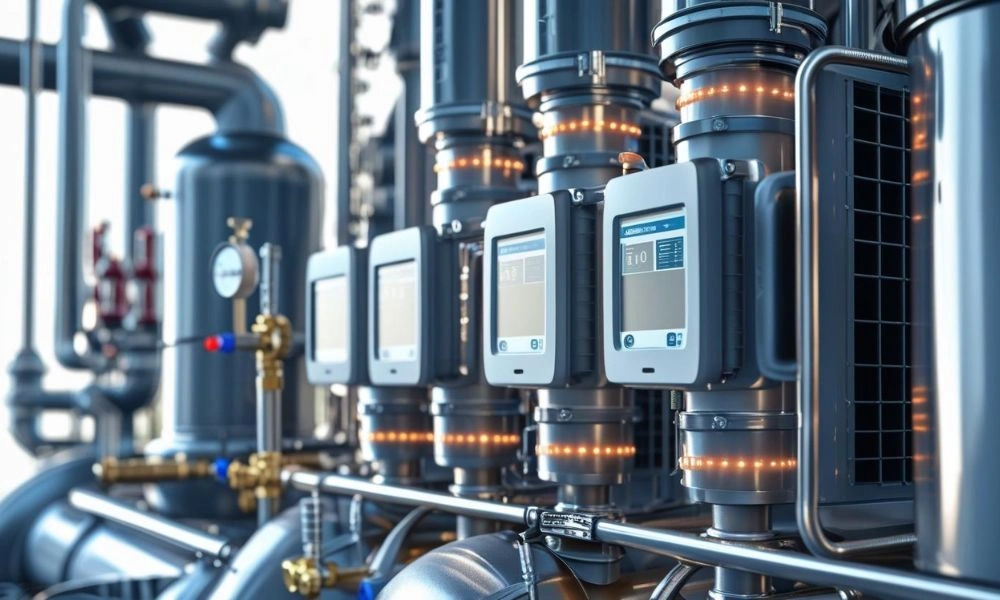
Modern valve analytics platforms integrate a network of sensors, edge devices, and cloud-based software to provide continuous oversight of valve health. These systems collect data on parameters such as pressure, temperature, flow rate, and vibration. By analyzing this information in real time, they can detect anomalies, predict failures, and recommend maintenance actions before issues escalate.
The core components of these solutions typically include:
- Sensor arrays for comprehensive data capture
- Edge computing devices for local processing and rapid response
- Cloud analytics engines for deep learning and trend analysis
- User dashboards for visualization and actionable alerts
With these technologies, maintenance teams gain a clear view of valve performance across entire facilities or networks, enabling smarter resource allocation and faster response to emerging problems.
Key Benefits of Data-Driven Valve Maintenance
Implementing data-driven maintenance with advanced analytics brings a range of tangible advantages:
- Reduced unplanned downtime: Early detection of wear, leaks, or blockages allows for scheduled repairs, minimizing costly interruptions.
- Optimized maintenance intervals: Instead of relying on fixed schedules, teams can service valves based on actual condition, saving time and resources.
- Extended asset lifespan: Timely interventions prevent minor issues from turning into major failures, preserving equipment value.
- Improved safety and compliance: Proactive monitoring helps ensure valves operate within safe parameters, supporting regulatory requirements.
- Enhanced operational insights: Aggregated data reveals trends and inefficiencies, guiding process improvements.
For water utilities, integrating water distribution valve monitoring can further boost network reliability and efficiency.
Analytics Techniques in Modern Valve Systems
State-of-the-art analytics systems for valve maintenance employ a variety of techniques to extract actionable intelligence from raw data:
- Predictive modeling: Machine learning algorithms forecast potential failures based on historical and real-time data.
- Anomaly detection: Automated systems flag deviations from normal operating patterns, enabling rapid investigation.
- Root cause analysis: Advanced software correlates multiple data streams to pinpoint underlying issues.
- Performance benchmarking: Comparing valve behavior across sites or time periods highlights best practices and areas for improvement.
For a deeper dive into predictive approaches, see the detailed discussion on valve anomaly prediction models and their role in proactive maintenance planning.
Applications Across Industries
The adoption of advanced valve analytics systems is transforming maintenance practices in a variety of sectors:
- Water and wastewater: Utilities use smart monitoring to detect leaks, optimize pressure, and ensure regulatory compliance.
- Oil and gas: Real-time analytics help prevent catastrophic failures and improve asset utilization in pipelines and refineries.
- Manufacturing: Automated valve diagnostics reduce downtime and support continuous improvement initiatives.
- Mining: Monitoring solutions tailored for harsh environments, as explored in valve monitoring in mining industry, help safeguard critical infrastructure.
- Agriculture: Smart irrigation systems, such as irrigation valve monitoring solutions, enable precise water management and resource conservation.
Each industry benefits from tailored analytics and reporting, ensuring that maintenance strategies align with unique operational challenges.
Integrating Analytics with Existing Infrastructure
One of the strengths of modern valve analytics is their compatibility with legacy systems. Many platforms offer modular sensor kits and open APIs, allowing for seamless integration with existing SCADA, PLC, or asset management software. This flexibility reduces barriers to adoption and enables organizations to scale their analytics capabilities over time.
For example, integrating real-time valve monitoring with centralized dashboards gives maintenance teams a unified view of asset health, regardless of manufacturer or age. This interoperability is essential for organizations managing diverse valve inventories across multiple sites.
Challenges and Considerations
While the benefits are substantial, deploying advanced analytics for valve maintenance does present some challenges:
- Data quality: Accurate insights depend on reliable sensor data and proper calibration.
- Cybersecurity: As more devices connect to networks, robust security protocols are essential to protect sensitive information.
- Change management: Teams must adapt to new workflows and trust data-driven recommendations over traditional practices.
- Upfront investment: Initial costs for sensors, connectivity, and software can be significant, though often offset by long-term savings.
Organizations should conduct thorough needs assessments and pilot programs to ensure a smooth transition to analytics-driven maintenance.
Future Trends in Valve Analytics
The field of intelligent valve monitoring continues to evolve rapidly. Emerging trends include:
- Edge AI: Deploying artificial intelligence at the device level for faster anomaly detection and reduced data transmission needs.
- Digital twins: Creating virtual replicas of valve assets to simulate performance and optimize maintenance strategies.
- Integration with enterprise systems: Linking valve analytics with broader asset management and ERP platforms for holistic operational oversight.
- Remote and autonomous maintenance: Enabling drones or robots to inspect and service valves in hazardous or hard-to-reach locations.
As these innovations mature, organizations will gain even greater control over asset health, risk management, and operational efficiency.
Industry Standards and Best Practices
To maximize the value of analytics-driven maintenance, it’s important to align with industry standards and proven methodologies. For example, regular calibration of sensors, robust data governance policies, and staff training all contribute to successful outcomes.
For a technical perspective on valve monitoring, the article on reciprocating compressor suction and discharge valve monitoring provides insights into specialized applications and best practices.
FAQ
What types of data do advanced valve analytics systems collect?
These platforms typically gather information on pressure, temperature, flow rate, vibration, and valve position. Some systems also monitor environmental conditions and operational cycles to provide a comprehensive view of asset health.
How do analytics platforms predict valve failures?
By analyzing historical trends and real-time sensor data, predictive algorithms identify patterns that precede common failure modes. This enables maintenance teams to intervene before a breakdown occurs, reducing unplanned downtime.
Can these systems be integrated with existing plant infrastructure?
Yes, most modern solutions are designed for compatibility with legacy SCADA, PLC, and asset management systems. Modular sensors and open APIs facilitate seamless integration, allowing organizations to upgrade their maintenance capabilities without replacing existing equipment.