
Modern process industries rely on valve monitoring instrumentation tools to achieve precise control, improve safety, and reduce downtime. These advanced systems provide real-time insights into valve performance, enabling operators to make informed decisions and maintain optimal plant operations. As industrial automation evolves, the demand for accurate and reliable monitoring solutions continues to grow, especially in sectors such as oil and gas, water treatment, chemical processing, and power generation.
In this article, we’ll explore the essential components, benefits, and best practices for deploying valve monitoring tools. We’ll also highlight how these technologies integrate with predictive maintenance strategies and smart automation systems, ensuring that your operations remain efficient and resilient. For those interested in leveraging predictive analytics, consider reviewing valve anomaly prediction models to further enhance your maintenance planning.
Understanding the Role of Valve Monitoring Instrumentation
Valves are critical components in any fluid handling system. Their performance directly affects flow regulation, pressure control, and overall process safety. Valve monitoring instrumentation tools are designed to track the operational status and health of valves, providing continuous data on parameters such as position, temperature, pressure, and vibration.
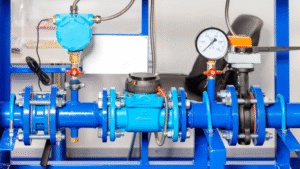
These instruments typically include a combination of sensors, transmitters, and control modules. By collecting and analyzing data, they help detect early signs of wear, misalignment, or failure. This proactive approach minimizes unplanned shutdowns and extends the lifespan of vital assets.
Key Types of Valve Monitoring Tools
A wide range of technologies are available for monitoring valves, each tailored to specific applications and environments. Below are some of the most common types:
- Position Sensors: Detect the open or closed state of a valve, ensuring accurate actuation and feedback.
- Pressure and Temperature Sensors: Monitor process conditions upstream and downstream of the valve to identify anomalies.
- Vibration and Acoustic Sensors: Capture unusual vibrations or sounds that may indicate internal damage or leakage.
- Wireless Transmitters: Enable remote monitoring and integration with plant-wide control systems.
- Diagnostic Software: Analyzes sensor data to provide actionable insights and predictive maintenance alerts.
Benefits of Precision Valve Monitoring
Implementing advanced valve monitoring instrumentation tools delivers a range of operational and financial benefits:
- Enhanced Reliability: Early detection of faults helps prevent costly failures and unplanned downtime.
- Improved Safety: Continuous monitoring reduces the risk of hazardous leaks or process upsets.
- Optimized Maintenance: Data-driven insights allow for condition-based maintenance, reducing unnecessary interventions.
- Energy Efficiency: Well-maintained valves minimize energy losses due to leaks or improper operation.
- Regulatory Compliance: Accurate record-keeping and traceability support compliance with industry standards.
For organizations seeking to extract even more value from their monitoring data, integrating with valve performance data analytics platforms can unlock deeper operational insights and drive continuous improvement.
Integration with Smart Automation and Predictive Maintenance
The evolution of industrial automation has transformed how valves are monitored and controlled. Modern plants often deploy smart valve automation systems that combine real-time monitoring with automated actuation and advanced analytics. These systems enable seamless integration of valve data into distributed control systems (DCS) or supervisory control and data acquisition (SCADA) platforms.
Predictive maintenance is another area where monitoring tools excel. By continuously assessing valve health, operators can schedule maintenance activities based on actual condition rather than fixed intervals. This approach reduces maintenance costs, extends equipment life, and improves overall plant availability.
Deployment Considerations for Valve Instrumentation
Selecting and implementing the right monitoring solution requires careful planning. Here are some key factors to consider:
- Compatibility: Ensure that sensors and transmitters are compatible with existing valve types and control systems.
- Environmental Conditions: Choose instruments rated for the temperature, humidity, and chemical exposure of the installation site.
- Scalability: Opt for solutions that can be expanded as your facility grows or as monitoring needs evolve.
- Data Integration: Verify that the system can communicate with plant automation platforms for centralized monitoring and control.
- Cybersecurity: Protect remote and wireless monitoring systems from unauthorized access or data breaches.
For facilities aiming to streamline operations further, adopting automated valve monitoring solutions can provide a scalable path toward smarter, more connected infrastructure.
Real-World Applications and Industry Examples
Industries worldwide are leveraging these tools to enhance process reliability and safety. In water treatment plants, for example, monitoring systems track valve positions and flow rates to ensure consistent water quality. In oil and gas facilities, real-time data helps operators respond quickly to pressure fluctuations or potential leaks, minimizing environmental impact and regulatory risks.
Chemical manufacturers use advanced diagnostics to monitor corrosion and wear, allowing for timely maintenance and reducing the risk of hazardous incidents. Power generation plants benefit from predictive analytics that optimize valve performance and extend equipment life, supporting stable and efficient energy production.
Choosing the Right Valve Monitoring Solution
With numerous options on the market, selecting the best system depends on your specific operational requirements. Evaluate the following when comparing solutions:
- Sensor Accuracy: High-precision sensors provide more reliable data for decision-making.
- Ease of Installation: Non-intrusive or retrofit-friendly designs minimize downtime during deployment.
- User Interface: Intuitive dashboards and reporting tools simplify data interpretation for operators and engineers.
- Support and Training: Reliable vendor support and comprehensive training resources ensure successful adoption.
For a detailed look at continuous monitoring technologies, explore the Valve Sense continuous valve monitoring system, which offers robust features for demanding industrial environments.
Best Practices for Maximizing Value
To fully realize the benefits of valve monitoring instrumentation, follow these best practices:
- Regularly calibrate sensors and validate data accuracy.
- Integrate monitoring data with maintenance management systems for streamlined workflows.
- Train staff on interpreting diagnostic information and responding to alerts.
- Continuously review system performance and update software as needed.
- Establish clear protocols for responding to detected anomalies or failures.
Frequently Asked Questions
What are the main advantages of using valve monitoring instrumentation?
The primary benefits include improved reliability, enhanced safety, reduced maintenance costs, and better compliance with industry standards. These tools provide real-time insights that help operators detect issues early and optimize valve performance.
How do these monitoring tools support predictive maintenance?
By continuously tracking valve health and performance, monitoring systems enable maintenance teams to address issues based on actual equipment condition. This reduces unnecessary servicing, prevents unexpected failures, and extends the lifespan of critical assets.
Can valve monitoring instrumentation be integrated with existing automation systems?
Yes, most modern solutions are designed for seamless integration with DCS, SCADA, or other plant automation platforms. This allows for centralized monitoring, automated alerts, and improved data-driven decision-making.