
In today’s industrial landscape, the ability to extract actionable intelligence from equipment data is transforming how plants operate and maintain their assets. Valve performance data analytics has emerged as a crucial tool for organizations aiming to optimize reliability, reduce downtime, and enhance process efficiency. By leveraging real-time and historical data from valves, engineers and plant managers can make informed decisions that directly impact operational outcomes.
Understanding how to harness this data is not just about technology—it’s about integrating analytics into daily workflows, maintenance strategies, and long-term planning. This article explores the fundamentals, benefits, and practical applications of analyzing valve performance, providing a roadmap for organizations seeking to unlock deeper operational insights.
For those interested in the latest advancements in valve technology and reliability, explore innovations in industrial valve technology to see how analytics is shaping the future of process industries.
Understanding the Role of Analytics in Valve Operations
Valves are essential components in virtually every process industry, from water treatment and oil & gas to power generation and chemical manufacturing. Traditionally, valve maintenance relied on scheduled inspections or reactive repairs after failures. However, with the advent of valve performance data analytics, organizations can shift towards predictive and condition-based strategies.
Analytics platforms collect and process data from sensors attached to valves—such as pressure, temperature, flow rate, and actuator status. By analyzing these parameters, the system can detect patterns, anomalies, and early signs of wear or malfunction. This proactive approach enables maintenance teams to address issues before they escalate, minimizing unplanned downtime and extending asset life.
Key Benefits of Leveraging Valve Performance Data
Implementing analytics for valve monitoring delivers a range of tangible benefits:
- Reduced Downtime: Early detection of valve degradation or failure modes allows for timely interventions, preventing costly process interruptions.
- Optimized Maintenance: Maintenance can be scheduled based on actual valve condition rather than arbitrary intervals, saving time and resources.
- Improved Safety: Identifying abnormal valve behavior helps prevent hazardous situations, especially in critical applications like chemical processing or mining.
- Energy Efficiency: Properly functioning valves ensure optimal flow control, reducing energy waste and supporting sustainability goals.
- Data-Driven Decision Making: Historical and real-time analytics provide a solid foundation for operational planning and asset management.
How Valve Data Analytics Works in Practice
The process of extracting insights from valve data typically involves several steps:
- Data Collection: Sensors installed on or near valves capture operational parameters continuously or at set intervals.
- Data Transmission: Information is sent to a central platform, often via industrial IoT networks, for aggregation and storage.
- Analysis: Advanced algorithms process the data, identifying trends, deviations, and potential failure indicators.
- Visualization: Dashboards and reports present findings in an accessible format for engineers and operators.
- Action: Maintenance or operational adjustments are made based on the insights, closing the loop for continuous improvement.
Modern analytics platforms may also integrate with enterprise asset management (EAM) or computerized maintenance management systems (CMMS), automating work order creation and supporting seamless workflow integration.
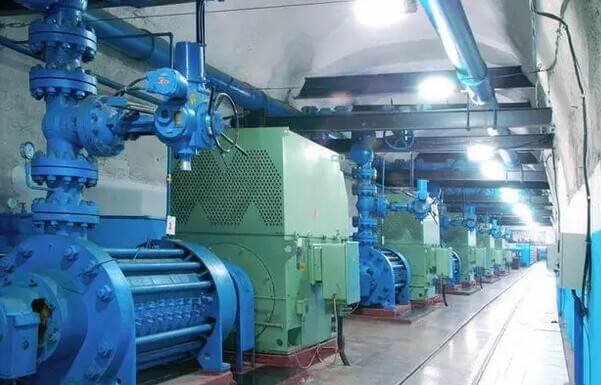
Applications Across Industries
The use of valve performance data analytics extends across a wide array of sectors. Here are a few examples:
- Water and Wastewater: Utilities monitor valve health to ensure reliable distribution and minimize leaks or service disruptions.
- Oil & Gas: Analytics support the safe operation of pipelines and refineries, where valve failures can have significant safety and environmental impacts.
- Mining: In harsh environments, predictive analytics help maintain critical flow control, reducing the risk of flooding or process stoppages.
- Power Generation: Power plants rely on accurate valve control for steam, cooling, and fuel systems, making data-driven maintenance essential for uptime.
Each industry adapts analytics to its unique challenges, but the underlying goal remains the same: maximize reliability, safety, and efficiency.
Challenges and Considerations in Implementing Analytics
While the benefits are clear, organizations may encounter several challenges when adopting valve data analytics:
- Data Quality: Inaccurate or incomplete sensor data can lead to false alarms or missed issues. Ensuring proper calibration and maintenance of sensors is critical.
- Integration: Connecting analytics platforms with existing control systems and workflows may require technical expertise and planning.
- Change Management: Shifting from traditional maintenance to data-driven approaches involves training and cultural adaptation for staff.
- Cybersecurity: Protecting sensitive operational data from cyber threats is a top priority, especially as connectivity increases.
Addressing these challenges requires a combination of technology, process redesign, and ongoing support from leadership and IT teams.
Best Practices for Maximizing Value from Valve Analytics
To ensure a successful analytics implementation, consider these best practices:
- Start Small: Pilot analytics on a critical set of valves before scaling up to the entire facility.
- Define Clear Objectives: Identify specific goals, such as reducing downtime or improving safety, to guide data collection and analysis efforts.
- Engage Stakeholders: Involve maintenance, operations, and IT teams early to ensure buy-in and smooth integration.
- Invest in Training: Equip staff with the skills needed to interpret analytics and act on insights.
- Monitor and Refine: Continuously review analytics performance and adjust parameters as needed to improve accuracy and relevance.
By following these steps, organizations can realize the full potential of data-driven valve management.
Future Trends in Valve Data Analysis
The field of valve analytics continues to evolve rapidly. Artificial intelligence and machine learning are being integrated to enhance predictive capabilities, enabling systems to learn from vast datasets and improve over time. Cloud-based platforms are making analytics more accessible and scalable, while mobile applications allow for real-time monitoring from anywhere.
Additionally, as sustainability becomes a greater focus, analytics will play a key role in minimizing energy consumption and supporting environmental compliance. The future promises even more sophisticated tools for extracting value from valve data, driving continuous improvement across industries.
Frequently Asked Questions
What types of data are most important for analyzing valve performance?
Key data points include pressure, temperature, flow rate, valve position, actuator status, and cycle counts. Combining these parameters provides a comprehensive view of valve health and operational status.
How does predictive maintenance differ from traditional maintenance for valves?
Predictive maintenance uses analytics to forecast when a valve is likely to fail or require service, allowing for targeted interventions. Traditional maintenance often relies on fixed schedules or reactive repairs, which can be less efficient and more costly.
Can valve analytics be integrated with other plant systems?
Yes, modern analytics platforms are designed to interface with control systems, EAM, and CMMS solutions. This integration streamlines workflow, automates reporting, and enhances overall asset management.