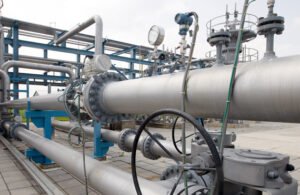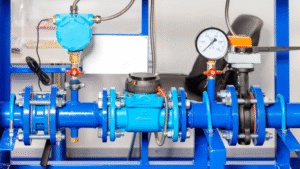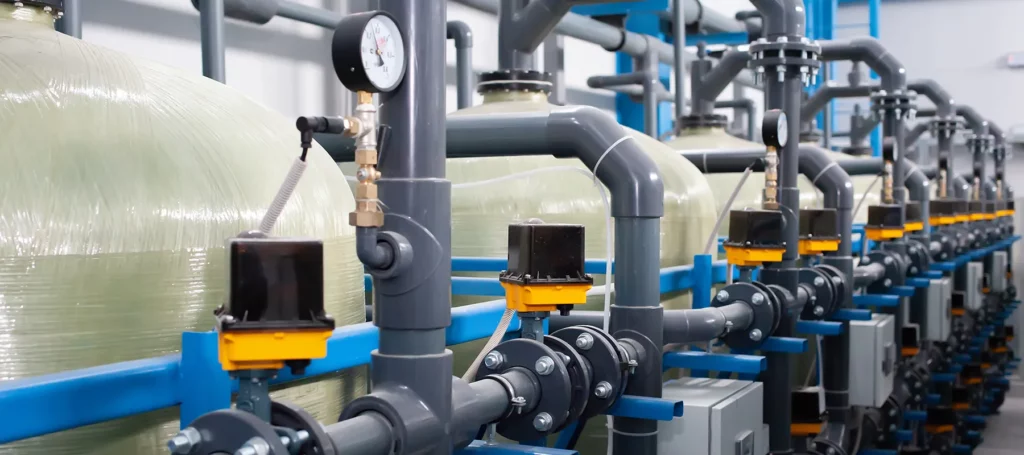

Modern critical infrastructure—such as water treatment plants, power generation facilities, and chemical processing sites—relies on the safe and efficient operation of countless valves. These components control the flow of liquids and gases, regulate pressure, and ensure operational safety. As digital transformation accelerates, secure valve monitoring systems have become essential for protecting assets, maintaining uptime, and preventing costly failures or security breaches.
This article explores how advanced monitoring technology is reshaping the management of valves in sensitive environments. We’ll cover the core features of these solutions, their role in risk mitigation, and best practices for implementation. For those seeking a deeper dive into instrumentation, valve monitoring instrumentation tools offer additional insights into achieving precision control.
Why Security Matters in Valve Monitoring
Valves are often the last line of defense in preventing leaks, spills, or catastrophic failures. In critical infrastructure, a compromised valve can lead to environmental hazards, service outages, or even safety incidents. As monitoring systems become more connected—integrating with SCADA, IIoT, and cloud platforms—cybersecurity risks increase. Unauthorized access or tampering could result in manipulated readings or loss of control.
Secure valve monitoring systems address these challenges by combining robust hardware with encrypted communications, role-based access controls, and real-time anomaly detection. This layered approach ensures that only authorized personnel can interact with the system, and that any suspicious activity is quickly flagged for investigation.
Key Features of Secure Valve Monitoring Solutions
The latest generation of valve monitoring technology is designed to balance operational efficiency with rigorous security. Here are some of the most important features to look for:
- End-to-End Encryption: Protects data as it moves between sensors, gateways, and control centers, reducing the risk of interception or tampering.
- Multi-Factor Authentication: Ensures only verified users can access system dashboards or make configuration changes.
- Automated Alerts: Notifies operators of abnormal valve behavior, unauthorized access attempts, or potential cyber threats in real time.
- Comprehensive Audit Trails: Tracks every interaction with the system, supporting compliance and forensic analysis in the event of an incident.
- Integration with Existing Infrastructure: Seamlessly connects with SCADA, DCS, and other industrial control systems without introducing new vulnerabilities.
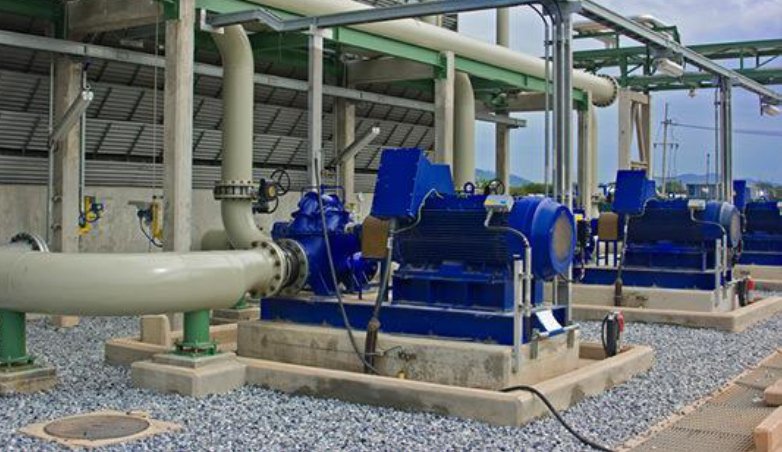
Applications Across Critical Sectors
The need for reliable and secure valve oversight spans multiple industries. In water utilities, these systems help prevent leaks and ensure regulatory compliance. Power plants use them to maintain safe operating pressures and detect early signs of mechanical wear. The oil and gas sector relies on real-time monitoring to avoid spills and protect both personnel and the environment.
For manufacturing and chemical processing, secure monitoring is vital for maintaining product quality and process safety. By integrating advanced analytics, operators can predict failures before they occur, schedule maintenance proactively, and reduce unplanned downtime.
Benefits of Implementing Secure Valve Monitoring Systems
Organizations that invest in robust valve oversight solutions gain several advantages:
- Enhanced Operational Visibility: Real-time data from valves enables faster decision-making and more effective troubleshooting.
- Reduced Risk of Cyber Attacks: Security-focused designs minimize the attack surface and help safeguard critical assets.
- Lower Maintenance Costs: Predictive analytics and condition monitoring reduce unnecessary service visits and extend equipment life.
- Regulatory Compliance: Detailed logs and secure data handling support adherence to industry standards and government regulations.
- Improved Safety: Early detection of anomalies or unauthorized access helps prevent accidents and environmental incidents.
To further explore how data-driven approaches can optimize valve performance, consider reviewing advanced valve analytics systems for maintenance strategies.
Integration and Compatibility Considerations
When selecting a monitoring solution, compatibility with existing infrastructure is crucial. Many facilities operate legacy equipment alongside newer digital systems. The best secure valve monitoring systems offer flexible connectivity options—supporting protocols like Modbus, OPC UA, and MQTT—to bridge the gap between old and new technologies.
Additionally, cloud-based dashboards and mobile apps allow authorized users to access valve status and historical trends from anywhere, while maintaining strict security controls. This remote accessibility is especially valuable for geographically distributed assets or during emergency situations.
Best Practices for Deployment and Maintenance
Successful implementation of secure valve oversight requires a holistic approach:
- Conduct a thorough risk assessment to identify critical valves and potential vulnerabilities.
- Choose solutions with proven cybersecurity credentials and regular firmware updates.
- Train staff on proper use, security protocols, and incident response procedures.
- Establish clear policies for user access, password management, and remote connectivity.
- Regularly review system logs and conduct penetration testing to uncover hidden risks.
For a closer look at how predictive models can further enhance reliability, explore valve anomaly prediction models and their role in proactive maintenance.
Trends and Innovations in Valve Monitoring Security
The landscape of industrial monitoring is evolving rapidly. Artificial intelligence and machine learning are being integrated to analyze vast amounts of valve data, identifying subtle patterns that may indicate emerging threats or performance issues. Zero-trust architectures and blockchain-based audit trails are also gaining traction, offering new ways to verify system integrity and prevent unauthorized changes.
As regulations tighten and cyber threats grow more sophisticated, organizations are prioritizing investments in monitoring solutions that combine operational intelligence with robust security. For a practical overview of how smart monitoring improves performance, see this guide to improving valve performance with smart monitoring.
FAQ
What makes a valve monitoring system “secure”?
A secure solution incorporates features such as encrypted data transmission, strict user authentication, continuous monitoring for anomalies, and comprehensive audit trails. These measures protect against both cyber and physical threats, ensuring only authorized personnel can access or modify system data.
How do these systems help prevent downtime?
By providing real-time insights and automated alerts, secure monitoring platforms enable operators to detect issues early—such as leaks, pressure drops, or unauthorized access. This proactive approach allows for timely intervention, reducing the risk of unplanned outages or costly repairs.
Can secure valve monitoring be integrated with older equipment?
Yes, many modern solutions are designed for compatibility with legacy infrastructure. They support a range of industrial protocols and can be retrofitted to existing valves, enabling facilities to enhance security and visibility without a complete overhaul.
Conclusion
The shift toward digital, connected infrastructure brings both opportunities and challenges for critical sectors. By adopting secure valve monitoring systems, organizations can protect their most vital assets, ensure operational continuity, and stay ahead of evolving threats. Whether upgrading legacy equipment or designing new facilities, prioritizing security alongside performance is essential for long-term resilience.
For further reading on optimizing performance and gaining operational insights, visit valve performance data analytics and valve monitoring industrial solutions.