
As industries worldwide strive for greater efficiency and environmental responsibility, solar powered valve monitoring systems have emerged as a transformative solution. These systems leverage renewable energy to remotely track and control industrial valves, reducing both operational costs and environmental impact. By integrating solar technology with advanced monitoring tools, organizations can ensure reliable valve performance even in remote or off-grid locations.
Adopting sustainable monitoring solutions is not just about meeting regulatory standards—it’s a strategic move toward long-term operational resilience. For those seeking to enhance precision and control in their processes, exploring valve monitoring instrumentation tools can provide a strong foundation for implementing solar-powered systems.
Understanding Solar Valve Monitoring Technology
At its core, a solar-powered valve monitoring system combines photovoltaic panels, sensors, and communication modules to deliver real-time data on valve status and performance. The solar panels generate electricity, powering the sensors and wireless transmitters that collect and relay information such as valve position, pressure, and temperature. This setup eliminates the need for grid connections or frequent battery replacements, making it ideal for remote installations.
Key components typically include:
- Solar panels for renewable energy generation
- Battery storage to ensure continuous operation during low sunlight
- Sensor arrays for monitoring valve conditions
- Wireless communication modules (e.g., LoRaWAN, cellular, or satellite)
- Centralized dashboards or cloud platforms for data visualization and analysis
These elements work together to provide a reliable, autonomous monitoring solution that supports both preventive maintenance and rapid response to anomalies.
Benefits of Solar-Based Valve Monitoring Solutions
Implementing solar powered valve monitoring systems offers a range of operational and environmental advantages:
- Reduced energy costs: Solar panels provide free, renewable power, minimizing reliance on grid electricity or fuel-powered generators.
- Lower maintenance requirements: With fewer moving parts and autonomous energy supply, these systems require less frequent servicing.
- Remote accessibility: Operators can monitor and control valves from a distance, enhancing safety and reducing travel to hazardous or hard-to-reach sites.
- Environmental sustainability: By harnessing solar energy, organizations lower their carbon footprint and contribute to cleaner industrial practices.
- Scalability: Solar-powered setups can be easily expanded or relocated as operational needs change.
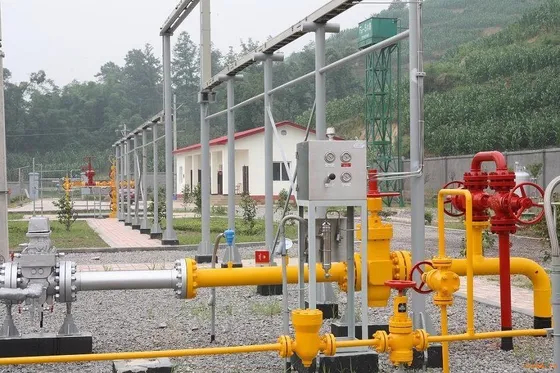
These benefits make solar monitoring particularly attractive for sectors such as oil and gas, water treatment, agriculture, and mining—industries where valves are often located in isolated or environmentally sensitive areas.
Applications Across Industries
Solar-powered monitoring is not limited to a single sector. Its flexibility and reliability have led to widespread adoption in various fields:
- Oil and Gas: Ensures safe operation of wellhead valves and pipelines, reducing the risk of leaks and spills.
- Water Utilities: Enables real-time tracking of water distribution valves, supporting leak detection and efficient resource allocation.
- Agriculture: Facilitates automated irrigation control, optimizing water usage and crop yields.
- Mining: Monitors slurry and process valves in remote mining operations, improving uptime and safety.
For organizations looking to further enhance their data-driven maintenance strategies, integrating advanced valve analytics systems can unlock deeper insights from the data collected by solar-powered monitoring platforms.
Integration with Data Analytics and Predictive Maintenance
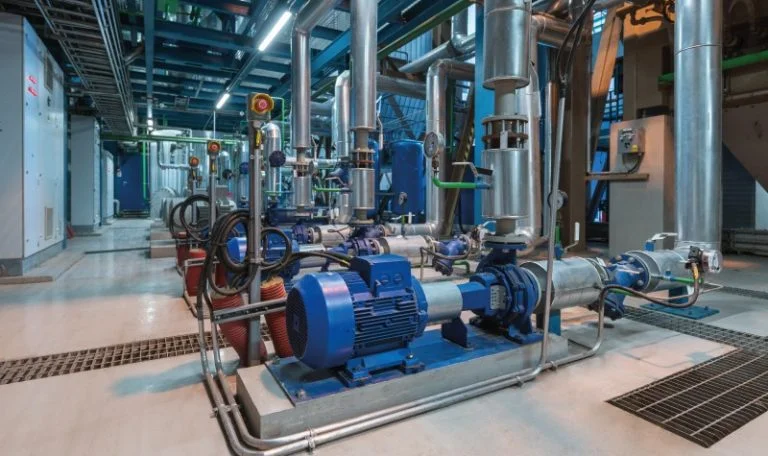
The true value of solar powered valve monitoring systems is realized when combined with modern analytics and predictive maintenance tools. By continuously gathering operational data, these systems enable organizations to:
- Detect abnormal valve behavior before it leads to failures
- Schedule maintenance based on actual usage and wear, rather than fixed intervals
- Reduce unplanned downtime and associated costs
- Improve regulatory compliance through detailed record-keeping
Platforms that offer valve anomaly prediction models and valve performance data analytics can be seamlessly integrated with solar-powered monitoring, providing actionable insights for operators and maintenance teams.
For plant operators, valve condition visualization tools further enhance situational awareness, allowing for quick identification of issues and informed decision-making.
Key Considerations for Implementation
While the advantages are clear, successful deployment of solar-based valve monitoring requires careful planning. Consider the following factors:
- Site assessment: Evaluate sunlight exposure, environmental conditions, and potential obstructions to optimize solar panel placement.
- Power requirements: Calculate the total energy needed for sensors, communication devices, and data logging to size the solar array and battery storage appropriately.
- Connectivity: Choose a communication protocol (e.g., cellular, satellite, or mesh networks) that ensures reliable data transmission from remote sites.
- System integration: Ensure compatibility with existing SCADA, DCS, or cloud-based monitoring platforms for seamless data flow.
- Security: Implement cybersecurity measures to protect remote monitoring infrastructure from unauthorized access.
Collaborating with experienced solution providers and leveraging industry best practices can streamline the transition to solar-powered monitoring and maximize return on investment.
Industry Trends and Future Outlook
The adoption of solar-powered valve monitoring is expected to accelerate as industries prioritize sustainability and digital transformation. Advances in sensor technology, battery efficiency, and wireless communications are making these systems more robust and cost-effective. According to experts, integrating digital valve monitoring can help organizations realize the full value of digital transformation, as discussed in this analysis of digital valve monitoring value.
Looking ahead, the convergence of solar energy, IoT, and artificial intelligence will further enhance the capabilities of valve monitoring systems. Predictive analytics, automated alerts, and remote diagnostics will become standard features, empowering operators to make data-driven decisions that support both operational excellence and environmental stewardship.
Frequently Asked Questions
How reliable are solar-powered valve monitoring systems in low-light conditions?
Modern systems are designed with battery storage to ensure continuous operation during periods of low sunlight or at night. Properly sized batteries and efficient energy management allow for reliable performance even in challenging environments.
Can these systems be integrated with existing industrial control platforms?
Yes, most solar-based monitoring solutions support integration with SCADA, DCS, or cloud-based platforms. This enables seamless data flow and centralized management alongside other plant assets.
What maintenance is required for solar-powered valve monitoring setups?
Maintenance needs are generally low. Routine tasks include cleaning solar panels, inspecting connections, and periodic battery checks. The reduced need for manual intervention is a key advantage of these systems.
Are solar-powered monitoring solutions suitable for hazardous or remote locations?
Absolutely. The autonomous nature of solar-powered systems makes them ideal for remote, off-grid, or hazardous environments where traditional power sources and frequent site visits are impractical.
How do these systems contribute to sustainability goals?
By using renewable solar energy and enabling proactive maintenance, these solutions help reduce energy consumption, minimize emissions, and support responsible resource management.