
DCS valve monitoring systems have become a cornerstone of modern process automation, enabling industries to achieve higher levels of efficiency, safety, and reliability. These integrated solutions provide real-time insights into valve status, performance, and health, allowing operators to make informed decisions and optimize plant operations. As industries face increasing demands for uptime and regulatory compliance, the role of advanced valve monitoring within distributed control systems (DCS) continues to grow in importance.
Whether in oil and gas, water treatment, chemical processing, or mining, the ability to monitor and control valves remotely is critical. By leveraging digital sensors, analytics, and centralized control, organizations can reduce downtime, prevent failures, and extend equipment life. This article explores the essential features, benefits, and implementation strategies for DCS-based valve monitoring, offering practical guidance for plant managers and engineers.
For those seeking to enhance their plant’s precision and reliability, integrating valve monitoring instrumentation tools with DCS platforms can provide a significant competitive advantage. Early adoption of such technologies not only improves operational visibility but also supports proactive maintenance and compliance efforts.
Key Components of Modern Valve Monitoring in DCS
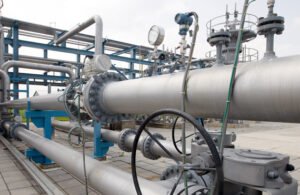
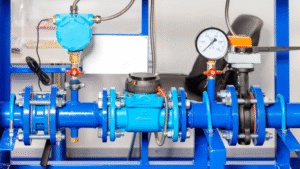
A robust DCS valve monitoring system typically consists of several interconnected elements. These include field-mounted sensors, intelligent positioners, communication networks, and centralized control software. Each component plays a vital role in ensuring accurate data collection and seamless integration with plant automation.
- Field Sensors: Devices that measure valve position, pressure, temperature, and flow. These sensors transmit real-time data to the control system.
- Intelligent Positioners: Electronic devices that adjust and report the exact position of control valves, improving accuracy and responsiveness.
- Communication Protocols: Standardized networks such as HART, Foundation Fieldbus, or Profibus enable reliable data exchange between field devices and the DCS.
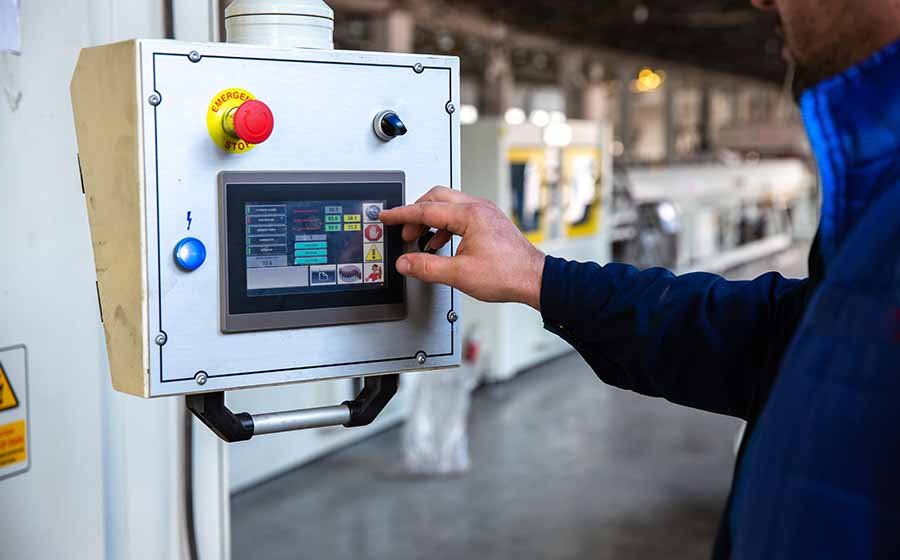
- Centralized Control Software: The DCS interface aggregates data, visualizes valve status, and allows operators to issue commands or set alarms.
By combining these elements, organizations can achieve a unified view of valve operations, supporting both manual and automated interventions as needed.
Benefits of Integrating Valve Monitoring with Distributed Control
Implementing advanced monitoring for valves within a DCS environment offers a range of operational and business advantages:
- Enhanced Reliability: Continuous monitoring detects early signs of wear, leakage, or misalignment, helping to prevent unplanned shutdowns.
- Improved Safety: Real-time alerts enable rapid response to abnormal conditions, reducing the risk of accidents and environmental incidents.
- Optimized Maintenance: Data-driven insights support predictive maintenance strategies, minimizing unnecessary interventions and extending asset life.
- Energy Efficiency: Accurate valve control reduces energy waste by ensuring optimal flow and minimizing pressure drops.
- Regulatory Compliance: Automated record-keeping and diagnostics simplify reporting and help meet industry standards.
For industries where uptime and process integrity are critical, these benefits translate directly into cost savings and improved competitiveness.
How DCS Valve Monitoring Systems Work
At the core of these solutions is the seamless integration between field devices and the central control platform. Sensors and positioners installed on each valve continuously collect operational data, such as open/close status, travel time, and actuator health. This information is transmitted to the DCS via secure, standardized protocols.
Operators can view live valve status, historical trends, and diagnostic messages through intuitive dashboards. Automated logic within the DCS can trigger alarms, initiate shutdowns, or adjust process parameters based on predefined thresholds. This closed-loop control ensures that valves respond promptly to changing process conditions, supporting both efficiency and safety.
Applications Across Industrial Sectors
The adoption of DCS-based valve monitoring spans a wide range of industries:
- Oil and Gas: Ensures safe pipeline operations, leak detection, and compliance with environmental regulations.
- Water and Wastewater: Supports remote management of treatment plants, reservoirs, and distribution networks.
- Chemical Processing: Maintains precise control over mixing, reaction, and transfer processes.
- Mining: Monitors slurry, drainage, and ventilation systems for uninterrupted production.
Each sector benefits from the ability to tailor monitoring strategies to specific process requirements, integrating additional analytics or visualization tools as needed.
Best Practices for Implementation
To maximize the value of DCS valve monitoring, consider the following best practices:
- Assess Existing Infrastructure: Evaluate current valve types, actuator technologies, and communication networks to identify integration needs.
- Standardize Devices: Choose sensors and positioners compatible with your DCS and capable of providing the required diagnostics.
- Leverage Advanced Analytics: Integrate advanced valve analytics systems to enable predictive maintenance and root cause analysis.
- Train Personnel: Ensure operators and maintenance teams are familiar with new interfaces and alarm management protocols.
- Plan for Scalability: Design the system to accommodate future expansion, additional sensors, or integration with enterprise platforms.
Following these guidelines helps ensure a smooth transition and long-term success.
Challenges and Considerations
While the advantages are clear, some challenges must be addressed during deployment:
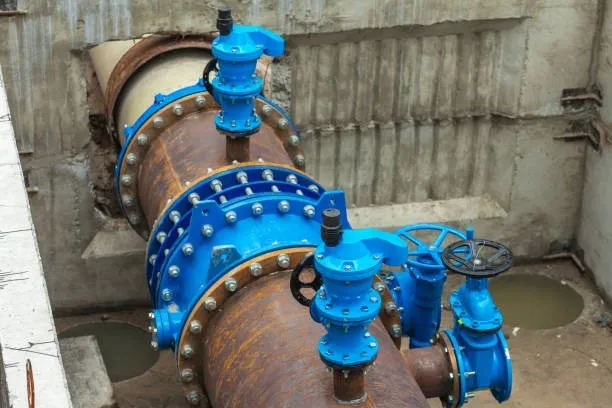
- Legacy Equipment: Older valves may require retrofitting or replacement to support digital monitoring.
- Cybersecurity: As more devices connect to the network, robust security measures are essential to protect critical infrastructure.
- Data Overload: Effective filtering and analysis are needed to turn raw sensor data into actionable insights.
- Integration Complexity: Ensuring compatibility between devices from different vendors can require careful planning and testing.
Addressing these issues early in the project lifecycle can help avoid costly delays and ensure a reliable, future-proof solution.
Future Trends in Valve Monitoring Technology
The evolution of DCS-based valve monitoring is closely linked to broader trends in industrial automation. The rise of Industrial Internet of Things (IIoT), machine learning, and cloud-based analytics is driving new capabilities:
- Remote Diagnostics: Cloud connectivity enables experts to assess valve health from anywhere, reducing the need for on-site visits.
- Predictive Maintenance: Machine learning models, such as valve anomaly prediction models, can forecast failures before they occur.
- Enhanced Visualization: Modern valve condition visualization tools provide intuitive dashboards for plant operators.
- Operational Insights: Integrating valve performance data analytics supports continuous improvement and process optimization.
Staying informed about these innovations will help organizations maintain a competitive edge and adapt to changing industry requirements.
Industry Innovations and Further Reading
For a deeper dive into the latest advancements in valve technology, including materials, actuation methods, and digital integration, explore innovations in industrial valve technology enhancing performance and reliability. This resource covers emerging trends and practical solutions for maximizing valve performance in demanding environments.
Frequently Asked Questions
What is the primary function of a DCS valve monitoring system?
The main purpose is to provide real-time visibility into valve status, performance, and health, enabling operators to optimize process control, prevent failures, and ensure safe operations.
How does integrating valve monitoring with a DCS improve maintenance?
By continuously collecting and analyzing data from valves, maintenance teams can identify early warning signs of wear or malfunction. This supports predictive maintenance, reduces unexpected downtime, and extends equipment lifespan.
Can older valves be upgraded for digital monitoring?
Yes, many legacy valves can be retrofitted with modern sensors and positioners to enable digital monitoring. However, compatibility and integration with existing DCS infrastructure should be carefully evaluated during planning.