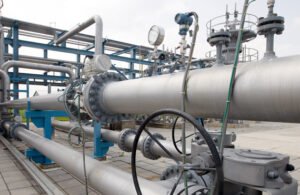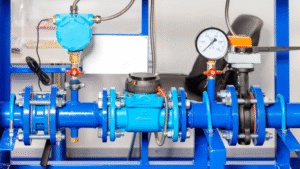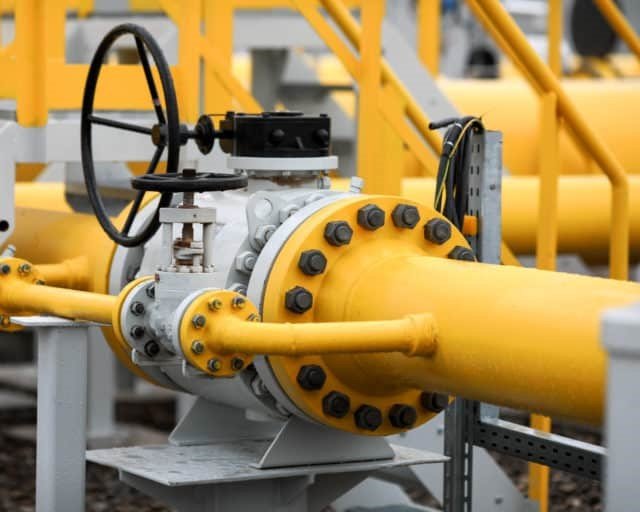

Ensuring the reliability of water distribution networks is a top priority for utilities and municipalities worldwide. As urban populations grow and infrastructure ages, the need for robust water pipeline valve monitoring becomes increasingly critical. By closely tracking valve status, performance, and anomalies, operators can minimize downtime, prevent leaks, and maintain consistent water quality for consumers.
Modern monitoring systems provide real-time insights into valve health, enabling proactive maintenance and rapid response to emerging issues. These technologies not only help reduce operational costs but also support regulatory compliance and sustainability goals. For those seeking to optimize their valve management strategies, leveraging advanced valve monitoring instrumentation tools can be a game-changer, offering precision control and actionable data.
Why Valve Monitoring Matters in Water Distribution
Valves are the backbone of any water distribution system. They control flow, isolate sections for maintenance, and protect pipelines from pressure surges. However, undetected valve failures or misoperations can lead to significant water loss, service interruptions, and even infrastructure damage. Implementing a comprehensive water pipeline valve monitoring strategy allows utilities to:
- Detect leaks and pressure anomalies early
- Reduce non-revenue water and associated costs
- Improve response times to incidents
- Extend the lifespan of critical assets
- Enhance public health and safety by ensuring water quality
Core Components of a Valve Monitoring System
A modern valve monitoring setup typically integrates several technologies to deliver accurate, actionable insights. Key components include:
- Sensors: Devices that measure valve position, pressure, flow, and temperature.
- Data loggers: Units that record and transmit sensor data for analysis.
- Communication networks: Wired or wireless systems that relay information to central control rooms.
- Analytics platforms: Software that processes data, identifies trends, and triggers alerts for abnormal conditions.
For utilities aiming to move beyond basic monitoring, advanced valve analytics systems offer predictive capabilities, helping teams anticipate issues before they escalate.
Benefits of Real-Time Valve Data Collection
The shift from manual inspections to automated, real-time data collection has transformed how water utilities manage their networks. Some of the most significant advantages include:
- Faster fault detection: Operators receive instant alerts when valves deviate from normal operating parameters.
- Reduced labor costs: Fewer manual site visits are required, freeing up staff for higher-value tasks.
- Improved asset management: Historical data supports better maintenance planning and capital investment decisions.
- Enhanced regulatory compliance: Detailed records simplify reporting and help demonstrate due diligence.
By leveraging water pipeline valve monitoring solutions, organizations can also support sustainability initiatives by minimizing water loss and energy consumption.
Common Challenges in Valve Surveillance
Despite the clear benefits, deploying and maintaining a comprehensive monitoring system is not without obstacles. Utilities often face:
- Integration issues: Legacy infrastructure may not be compatible with new sensors and communication protocols.
- Data overload: Large volumes of data can overwhelm teams without proper analytics tools in place.
- Cybersecurity risks: Connected devices and networks require robust security measures to protect sensitive information.
- Environmental factors: Harsh conditions, such as moisture and temperature extremes, can affect sensor reliability.
To address these challenges, adopting valve anomaly prediction models and investing in staff training are essential steps.
Best Practices for Implementing Valve Monitoring Solutions
To maximize the value of a water pipeline valve monitoring initiative, consider the following best practices:
- Start with a pilot project: Test new technologies on a small section of the network before full-scale deployment.
- Choose scalable solutions: Opt for systems that can grow with your needs and integrate with existing infrastructure.
- Prioritize data quality: Ensure sensors are calibrated and maintained regularly to provide accurate information.
- Leverage analytics: Use platforms that offer visualization and reporting features, such as valve performance data analytics, to turn raw data into actionable insights.
- Train your team: Equip staff with the skills needed to interpret data and respond effectively to alerts.
Additionally, consider solutions that offer continuous monitoring, such as the Valve Sense continuous valve monitoring system, which provides uninterrupted oversight and early warning for potential issues.
Future Trends in Pipeline Valve Management
The field of valve monitoring is rapidly evolving, with several trends shaping its future:
- IoT integration: More devices are being connected to the Internet of Things, enabling seamless data sharing and automation.
- Artificial intelligence: Machine learning models are being used to predict failures and optimize maintenance schedules.
- Cloud-based platforms: Centralized data storage and analysis improve collaboration and decision-making.
- Mobile access: Field teams can access real-time valve data and alerts via smartphones and tablets.
For plant operators, adopting valve condition visualization tools can further enhance situational awareness and support faster, more informed decisions.
Frequently Asked Questions
What types of valves can be monitored in water distribution systems?
Most valve types used in water networks—such as gate, butterfly, ball, and check valves—can be equipped with monitoring sensors. The choice of technology depends on the valve’s function, location, and criticality within the system.
How does valve monitoring help reduce water loss?
By providing real-time data on valve position and performance, monitoring systems enable operators to quickly identify leaks, unauthorized usage, or malfunctioning valves. Early detection and response help minimize non-revenue water and associated costs.
Is it possible to retrofit existing infrastructure with monitoring solutions?
Yes, many modern monitoring devices are designed to be retrofitted onto existing valves without major modifications. This allows utilities to upgrade their networks incrementally and cost-effectively.
Conclusion
Investing in robust water pipeline valve monitoring is essential for maintaining the reliability and efficiency of today’s water distribution systems. By embracing advanced technologies and best practices, utilities can reduce downtime, improve asset longevity, and ensure safe, uninterrupted water delivery to communities. As digital transformation accelerates, those who prioritize data-driven valve management will be best positioned to meet the challenges of tomorrow’s water infrastructure.