
Ensuring product quality, safety, and operational efficiency is essential in the food and beverage sector. One of the most critical aspects of plant operation is valve monitoring in food processing plants. Modern monitoring systems help manufacturers maintain strict hygiene standards, reduce downtime, and comply with regulatory requirements. As production lines become more automated and data-driven, the role of advanced valve monitoring solutions continues to grow in importance.
In this article, we’ll explore the fundamentals of valve monitoring for food and beverage facilities, highlight the benefits of implementing these systems, and discuss how they contribute to safer, more reliable, and cost-effective operations. For those seeking more technical detail on instrumentation, consider reviewing valve monitoring instrumentation tools as a complementary resource.
Understanding Valve Monitoring in Food Processing Plants
Valves are essential components in food and beverage manufacturing, controlling the flow of liquids, gases, and steam throughout the production process. Valve monitoring in food processing plants involves the use of sensors, transmitters, and software to track the status and performance of these valves in real time. This data is used to ensure that valves are operating correctly, detect early signs of wear or failure, and maintain compliance with industry standards.
The food industry faces unique challenges: strict hygiene requirements, frequent cleaning cycles, and the need for precise control over process parameters. Monitoring solutions must be robust, reliable, and designed to withstand harsh washdown environments. By integrating monitoring technology, operators can quickly identify issues such as valve leakage, improper closure, or unexpected pressure drops—minimizing the risk of contamination and unplanned downtime.
Key Components of Modern Valve Monitoring Solutions
A comprehensive monitoring system typically includes several core elements:
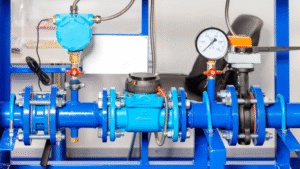
- Sensors and Positioners: These devices detect the open or closed status of a valve, as well as its position, temperature, and pressure. In hygienic environments, non-contact sensors are often preferred to prevent contamination.
- Controllers and Gateways: Controllers collect data from sensors and transmit it to a central monitoring platform. Gateways may be used to connect field devices to plant networks or cloud-based analytics.
- Software Platforms: Advanced software provides visualization, alarms, and analytics. Operators can monitor valve health, schedule maintenance, and generate compliance reports from a single dashboard.
- Integration with Plant Systems: Many solutions are designed to integrate with SCADA, MES, or ERP systems, enabling seamless data flow and smarter decision-making. For more on this, see the discussion on valve monitoring integration with ERP.
Benefits of Valve Monitoring for Food and Beverage Facilities
Implementing a robust monitoring strategy offers several tangible advantages:
- Improved Product Safety: Real-time monitoring helps prevent cross-contamination and ensures that cleaning and sterilization cycles are properly executed.
- Reduced Downtime: Early detection of valve issues allows maintenance teams to address problems before they escalate, minimizing production interruptions.
- Regulatory Compliance: Automated record-keeping and traceability features simplify audits and help meet food safety standards such as HACCP, FDA, and GFSI.
- Optimized Maintenance: Condition-based maintenance, enabled by continuous monitoring, reduces unnecessary interventions and extends equipment life.
- Energy and Resource Savings: Efficient valve operation minimizes waste, reduces water and energy consumption, and supports sustainability goals.
Types of Valves and Monitoring Technologies Used
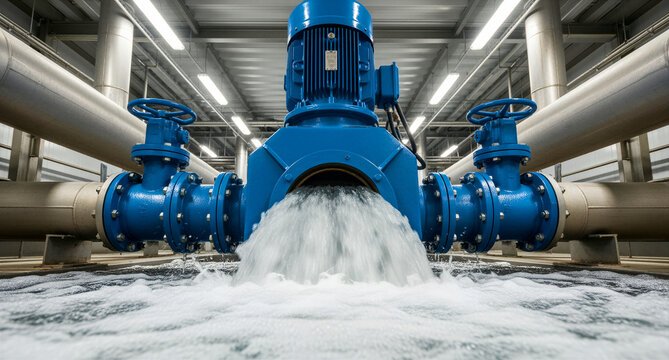
Food and beverage plants utilize a variety of valve types, each with specific monitoring requirements:
- Butterfly and Ball Valves: Commonly used for flow control and isolation. Position feedback and leak detection are key monitoring functions.
- Diaphragm Valves: Preferred for hygienic applications due to their cleanability. Monitoring focuses on position, seal integrity, and cycle counts.
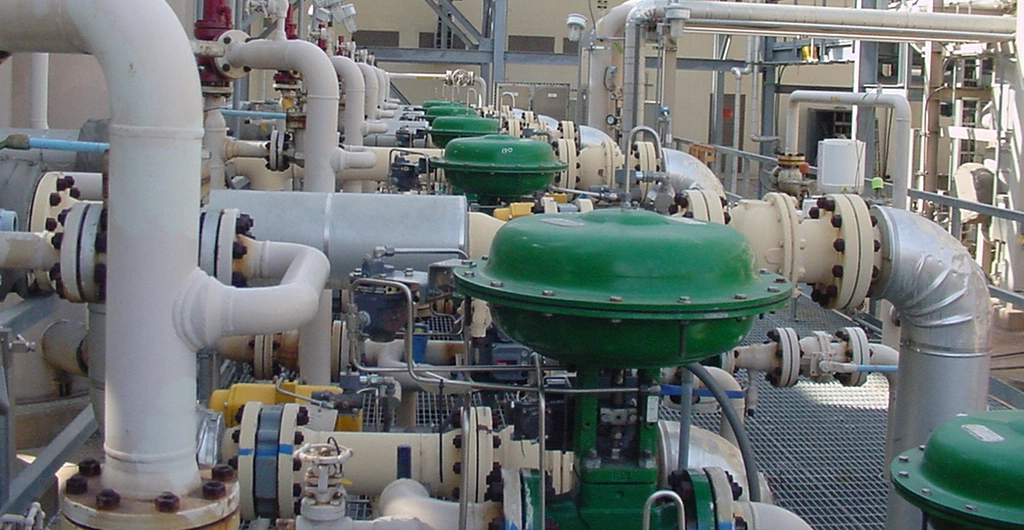
- Control Valves: Used for precise regulation of flow, pressure, or temperature. Advanced diagnostics track actuator performance and response times. For a deeper dive, refer to this guide to control valve diagnostics.
Monitoring technologies range from simple limit switches to sophisticated wireless sensors and IoT-enabled devices. The choice depends on process complexity, hygiene requirements, and integration needs.
Best Practices for Implementing Valve Monitoring in Food Processing Plants
To maximize the value of a monitoring system, food and beverage manufacturers should consider the following best practices:
- Assess Critical Control Points: Identify which valves are most critical to product safety and process continuity. Prioritize these for monitoring upgrades.
- Choose Hygienic, Robust Hardware: Select sensors and actuators designed for washdown environments and resistant to cleaning chemicals.
- Integrate with Existing Systems: Ensure compatibility with plant automation platforms to streamline data collection and analysis.
- Train Staff: Provide training on system operation, data interpretation, and alarm response to ensure effective use of monitoring tools.
- Leverage Analytics: Use software analytics to identify trends, predict failures, and optimize maintenance schedules. For advanced insights, explore advanced valve analytics systems.
Challenges and Considerations
While the benefits are clear, there are several challenges to address when deploying valve monitoring in food processing plants:
- Initial Investment: Upgrading to modern monitoring systems requires capital expenditure. However, the long-term savings in reduced downtime and maintenance often justify the cost.
- Data Security: As more devices become connected, ensuring cybersecurity and data integrity is essential.
- System Complexity: Integrating new technologies with legacy equipment can be complex. Working with experienced solution providers helps ensure a smooth transition.
- Regulatory Alignment: Monitoring solutions must comply with food safety and traceability regulations, which can vary by region and product type.
Future Trends in Valve Monitoring for Food and Beverage Processing
The evolution of digital technologies is reshaping how food and beverage plants approach valve monitoring. Key trends include:
- IoT and Wireless Sensors: Wireless, battery-powered sensors reduce installation costs and enable real-time data collection from remote or hard-to-access valves.
- Predictive Maintenance: Machine learning algorithms analyze historical data to predict valve failures before they occur, allowing for proactive maintenance planning.
- Cloud-Based Analytics: Cloud platforms offer scalable storage, advanced analytics, and remote access to monitoring data, supporting multi-site operations.
- Integration with Smart Infrastructure: As plants adopt Industry 4.0 principles, valve monitoring becomes part of a broader digital ecosystem. Learn more about this shift in valve monitoring for smart industrial infrastructure.
FAQ: Valve Monitoring in Food Processing Plants
What are the main benefits of using valve monitoring systems in food and beverage manufacturing?
The primary advantages include improved product safety, reduced risk of contamination, minimized downtime, and easier compliance with regulatory standards. Continuous monitoring also supports predictive maintenance and resource optimization.
How do valve monitoring solutions help with regulatory compliance?
Automated monitoring systems generate detailed records of valve operations, cleaning cycles, and maintenance activities. This documentation simplifies audits and helps demonstrate adherence to food safety regulations such as HACCP and FDA requirements.
Can existing food processing plants retrofit valve monitoring technology?
Yes, many modern monitoring devices are designed for retrofit applications. Wireless sensors and modular controllers can be integrated with legacy valves, allowing facilities to upgrade their monitoring capabilities without major process disruptions.
What factors should be considered when selecting a valve monitoring system?
Key considerations include compatibility with existing automation platforms, hygiene requirements, sensor robustness, ease of integration, and the ability to scale as operational needs evolve.
Valve monitoring in food processing plants is no longer optional—it is a vital component of safe, efficient, and compliant operations. By investing in the right technologies and best practices, manufacturers can protect product quality, reduce costs, and stay competitive in a demanding industry.