The oil and gas sector operates in some of the most demanding environments, where safety, efficiency, and reliability are non-negotiable. Valve monitoring for oil and gas applications has become a cornerstone of modern process management, enabling operators to detect issues early, optimize maintenance, and ensure regulatory compliance. As digital transformation accelerates across the industry, robust monitoring strategies are essential for maximizing uptime and minimizing risk.
In this article, we’ll explore the technologies, benefits, and best practices that define effective valve oversight in upstream, midstream, and downstream operations. We’ll also highlight how advanced solutions can support smarter decision-making and safer plant environments. For those seeking a deeper dive into instrumentation, the guide on valve monitoring instrumentation tools offers additional insights into precision control for industrial applications.

The Importance of Valve Monitoring in Oil and Gas Operations
Valves are critical control points in oil and gas facilities, regulating the flow of liquids and gases throughout pipelines, refineries, and storage systems. When a valve fails or operates outside of its intended parameters, the consequences can range from minor process disruptions to catastrophic safety incidents. That’s why valve monitoring for oil and gas is prioritized across the industry.
Continuous oversight provides several key benefits:
- Early Fault Detection: Identifying leaks, blockages, or actuator failures before they escalate reduces unplanned downtime and repair costs.
- Regulatory Compliance: Automated data collection supports documentation for safety and environmental standards.
- Optimized Maintenance: Condition-based monitoring enables predictive maintenance, extending equipment life and reducing unnecessary interventions.
- Enhanced Safety: Real-time alerts help operators respond quickly to abnormal conditions, minimizing risk to personnel and assets.
Key Technologies in Modern Valve Monitoring Systems
Today’s monitoring solutions leverage a combination of sensors, digital controllers, and analytics platforms to deliver actionable insights. Here are some of the most widely adopted technologies:
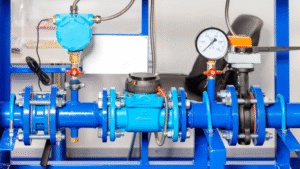
- Position Sensors: Detect the open, closed, or intermediate status of valves, providing feedback to control systems.
- Pressure and Flow Sensors: Monitor process variables to identify deviations that may indicate valve issues.
- Smart Valve Positioners: Integrate diagnostics and communication capabilities, allowing remote configuration and health checks.
- Wireless Monitoring: Reduces installation costs and enables oversight in hazardous or hard-to-reach locations.
- Cloud-Based Analytics: Aggregate data from multiple assets for trend analysis, anomaly detection, and reporting.
For a closer look at how digitalization is transforming plant operations, see the overview of valve monitoring industrial solutions for modern facilities.
Benefits of Implementing Valve Monitoring for Oil and Gas Facilities
Deploying advanced monitoring systems delivers tangible value across the oil and gas value chain. Some of the most significant advantages include:
- Increased Asset Reliability: Proactive detection of wear, corrosion, or misalignment reduces the likelihood of unexpected failures.
- Reduced Operational Costs: Targeted maintenance and fewer emergency repairs translate to lower total cost of ownership.
- Improved Process Efficiency: Real-time valve data supports optimal flow control, energy savings, and product quality.
- Enhanced Environmental Protection: Early leak detection minimizes the risk of spills and emissions, supporting sustainability goals.
Many operators are also integrating monitoring data with enterprise resource planning (ERP) systems. This approach, as described in the article on valve monitoring integration with ERP, enables smarter planning and resource allocation across the entire operation.
Best Practices for Deploying Valve Monitoring in Oil and Gas
To maximize the return on investment and ensure long-term success, consider the following best practices when implementing monitoring solutions:
- Conduct a Comprehensive Asset Survey: Identify critical valves based on process impact, safety considerations, and maintenance history.
- Select Scalable Technologies: Choose systems that can be expanded or upgraded as operational needs evolve.
- Prioritize Interoperability: Ensure compatibility with existing control systems, SCADA platforms, and data historians.
- Invest in Training: Equip maintenance and operations teams with the skills needed to interpret monitoring data and respond effectively.
- Leverage Analytics: Use advanced analytics tools to move from reactive to predictive maintenance strategies.
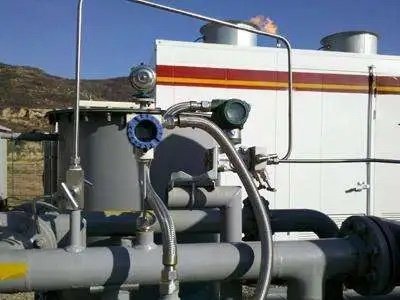
For organizations looking to harness the full potential of data-driven maintenance, the resource on advanced valve analytics systems offers practical guidance on leveraging analytics for smarter asset management.
Integrating Valve Monitoring with Smart Infrastructure
The shift toward smart industrial infrastructure is reshaping how oil and gas companies approach asset management. By integrating valve monitoring with IoT platforms and cloud services, operators gain a holistic view of plant health and performance. This integration supports:
- Remote Monitoring: Operators can oversee critical assets from centralized control rooms or even offsite locations.
- Automated Reporting: Streamlined compliance and audit processes through automated data capture and documentation.
- Scalable Deployment: Easily add new sensors or monitoring points as facilities expand or processes change.
For more on how smart infrastructure is driving efficiency, see the article on valve monitoring smart infrastructure.
Industry Standards and Compliance Considerations
Regulatory compliance is a major driver for adopting advanced monitoring in oil and gas. Industry standards such as API, ISO, and IEC outline requirements for valve performance, safety, and documentation. Automated monitoring helps operators:
- Maintain accurate records for inspections and audits
- Demonstrate adherence to safety and environmental regulations
- Respond quickly to incidents with documented evidence
Staying up to date with evolving standards is essential for both legal compliance and operational excellence. For a broader perspective on industry best practices, the resource on valve monitoring and control in process industries provides valuable insights into global trends and requirements.
FAQ: Valve Monitoring in Oil and Gas
What types of valves benefit most from continuous monitoring?
Critical control valves, emergency shutdown valves, and those operating in high-pressure or hazardous environments benefit most from continuous oversight. Monitoring these assets helps prevent failures that could disrupt production or pose safety risks.
How does valve monitoring support predictive maintenance?
By collecting real-time data on valve position, pressure, and performance, monitoring systems can identify early signs of wear or malfunction. This enables maintenance teams to schedule repairs before failures occur, reducing downtime and maintenance costs.
Can existing oil and gas facilities retrofit valve monitoring solutions?
Yes, many modern monitoring technologies are designed for retrofit applications. Wireless sensors and modular systems allow operators to upgrade legacy assets without extensive infrastructure changes.
Conclusion
Effective valve monitoring for oil and gas operations is essential for maintaining safety, efficiency, and regulatory compliance in today’s complex industrial landscape. By leveraging advanced technologies, integrating with smart infrastructure, and following best practices, operators can unlock significant value from their assets while minimizing risk. As digitalization continues to evolve, robust monitoring strategies will remain a key differentiator for leading oil and gas companies worldwide.