
In high-risk industrial environments, the ability to detect and respond to valve failures or abnormal conditions is essential for protecting personnel, assets, and the environment. Emergency valve monitoring systems play a pivotal role in ensuring that critical shut-off and control valves function correctly during emergencies, minimizing the risk of catastrophic incidents. These specialized solutions provide real-time data, automated alerts, and remote control capabilities, enabling operators to act quickly and decisively when every second counts.
Industries such as oil and gas, chemical processing, water treatment, and power generation rely on robust monitoring infrastructure to maintain operational safety. As regulatory requirements become more stringent and the complexity of industrial processes increases, organizations are turning to advanced valve surveillance tools to enhance their emergency preparedness. For those seeking to optimize their plant’s reliability, exploring valve monitoring instrumentation tools can provide additional insights into the latest innovations in this field.
Understanding the Role of Emergency Valve Monitoring in Industrial Safety
Valves are fundamental to controlling the flow of liquids and gases in industrial facilities. When an emergency occurs—such as a leak, fire, or process deviation—quick and reliable valve actuation is crucial for isolating hazardous areas and preventing escalation. Emergency valve monitoring systems are engineered to provide continuous oversight of valve status, position, and performance, ensuring that any deviation from normal operation is detected immediately.
These systems typically integrate sensors, controllers, and communication modules to deliver comprehensive situational awareness. By automating the detection and reporting of valve malfunctions, they reduce human error and enable faster intervention, which is vital for protecting both people and infrastructure.
Key Components of Modern Valve Surveillance Solutions
Effective emergency valve monitoring relies on a combination of hardware and software elements. The core components include:
- Sensors and Actuators: Devices that track valve position, pressure, temperature, and flow rates, providing real-time feedback on operational status.
- Control Units: Programmable logic controllers (PLCs) or distributed control systems (DCS) that process sensor data and execute automated responses.
- Communication Interfaces: Wired or wireless networks that transmit data to central monitoring stations or cloud-based platforms.
- Alarm and Notification Systems: Mechanisms for alerting operators to abnormal conditions through visual, audible, or digital signals.
Integration with advanced analytics platforms, such as advanced valve analytics systems, further enhances the ability to predict failures and schedule proactive maintenance, reducing the likelihood of emergency situations.
Benefits of Implementing Emergency Valve Monitoring Systems
Organizations that deploy robust valve monitoring solutions gain several advantages:
- Faster Emergency Response: Automated alerts and remote actuation capabilities allow for immediate action, reducing the impact of hazardous events.
- Improved Compliance: Continuous monitoring helps meet regulatory requirements for safety and environmental protection.
- Reduced Downtime: Early detection of valve issues prevents unplanned shutdowns and costly repairs.
- Enhanced Data Collection: Detailed operational data supports root cause analysis and long-term process optimization.
For facilities aiming to modernize their safety infrastructure, exploring valve monitoring industrial solutions can provide a comprehensive overview of available technologies tailored to various plant environments.
Applications Across Critical Sectors
The need for reliable emergency valve oversight spans multiple industries:
- Oil and Gas: Monitoring blowout preventers, emergency shut-down valves, and pipeline isolation points to prevent spills and explosions.
- Chemical Processing: Ensuring rapid containment of hazardous chemicals during leaks or process upsets.
- Water and Wastewater: Managing floodgates, pressure relief valves, and isolation valves to protect infrastructure and public health.
- Power Generation: Securing steam, gas, and cooling water valves to maintain safe operations during outages or equipment failures.
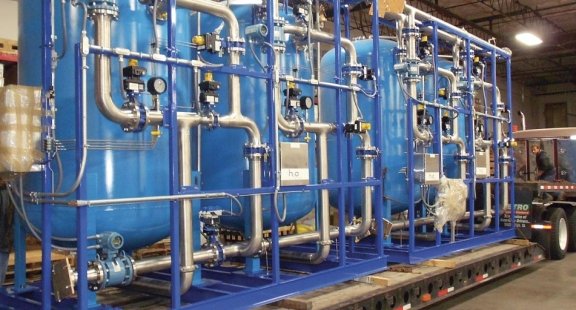
Each sector faces unique challenges, but the underlying goal remains the same: to provide reliable, real-time information that supports rapid, informed decision-making during emergencies.
Integration with Plant-Wide Systems and Smart Infrastructure
Modern emergency valve monitoring is increasingly integrated with broader plant automation and digital infrastructure. By connecting valve monitoring platforms with enterprise resource planning (ERP) systems, organizations can streamline maintenance scheduling, inventory management, and compliance reporting. For more on this approach, see valve monitoring integration with ERP.
Additionally, the adoption of Industrial Internet of Things (IIoT) technologies enables remote monitoring and control from centralized dashboards, even across geographically dispersed sites. This connectivity supports predictive maintenance strategies and enhances overall plant resilience.
Choosing the Right Emergency Valve Monitoring Solution
Selecting the appropriate system depends on several factors, including facility size, process complexity, regulatory requirements, and budget. Key considerations include:
- Scalability: The system should accommodate future expansion and integration with other automation platforms.
- Reliability: Redundant communication paths and fail-safe mechanisms are essential for mission-critical applications.
- User Interface: Intuitive dashboards and mobile access improve operator efficiency and situational awareness.
- Support and Maintenance: Ongoing technical support and software updates ensure long-term reliability.
For a detailed look at continuous monitoring technologies, the Valve Sense continuous valve monitoring system provides insights into advanced features and industry best practices.
Emerging Trends in Emergency Valve Oversight
The landscape of valve monitoring is evolving rapidly, driven by advances in sensor technology, wireless communication, and artificial intelligence. Some notable trends include:
- Wireless Sensor Networks: Reducing installation costs and enabling flexible deployment in remote or hazardous locations.
- Machine Learning Algorithms: Analyzing historical data to predict failures and optimize maintenance schedules.
- Cloud-Based Monitoring: Providing secure, real-time access to valve data from anywhere, facilitating faster decision-making.
- Integration with Smart Infrastructure: Leveraging data from multiple sources to create a holistic view of plant health and safety. For more on this, visit valve monitoring for smart industrial infrastructure.
These innovations are making emergency valve monitoring more accessible, reliable, and effective, supporting the ongoing drive toward safer and more efficient industrial operations.
Frequently Asked Questions
What is the primary function of an emergency valve monitoring system?
The main purpose is to provide continuous oversight of critical valves, ensuring they operate correctly during emergencies. These systems detect abnormal conditions, trigger alerts, and often allow for remote or automated valve actuation to minimize risk and damage.
How do emergency valve monitoring solutions improve plant safety?
By delivering real-time data and automated notifications, these systems enable operators to respond quickly to potential hazards. This rapid response capability helps prevent accidents, environmental incidents, and costly downtime.
Can emergency valve monitoring be integrated with other plant systems?
Yes, modern solutions are designed for seamless integration with control systems, analytics platforms, and enterprise software. This connectivity enhances data sharing, streamlines maintenance, and supports comprehensive safety management strategies.
Are wireless monitoring options available for remote or hazardous sites?
Absolutely. Wireless sensor networks are increasingly used in locations where traditional wiring is impractical or unsafe. These networks offer reliable data transmission and flexible deployment options for challenging environments.
Conclusion
The adoption of emergency valve monitoring systems is a critical step toward achieving higher standards of safety and operational excellence in industrial facilities. By leveraging real-time monitoring, automated alerts, and integration with broader plant systems, organizations can significantly reduce the risks associated with valve failures. As technology continues to advance, these solutions will play an even greater role in safeguarding people, assets, and the environment across a wide range of industries.