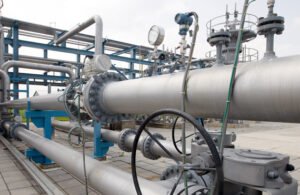
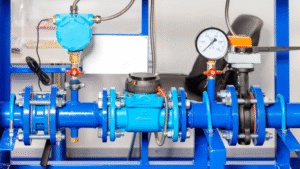
Valve monitoring edge sensors are transforming how industries manage and maintain critical flow control assets. By capturing and analyzing data directly at the source, these advanced devices enable immediate detection of valve position, health, and anomalies. This approach reduces downtime, enhances safety, and supports predictive maintenance strategies across sectors such as oil and gas, water treatment, pharmaceuticals, and manufacturing.
As digital transformation accelerates, the integration of edge-based sensor technology into valve monitoring systems is becoming a standard for organizations seeking operational efficiency and reliability. For those interested in a broader toolkit, valve monitoring instrumentation tools offer additional insights for precision control and optimization.
Understanding Edge-Based Valve Monitoring
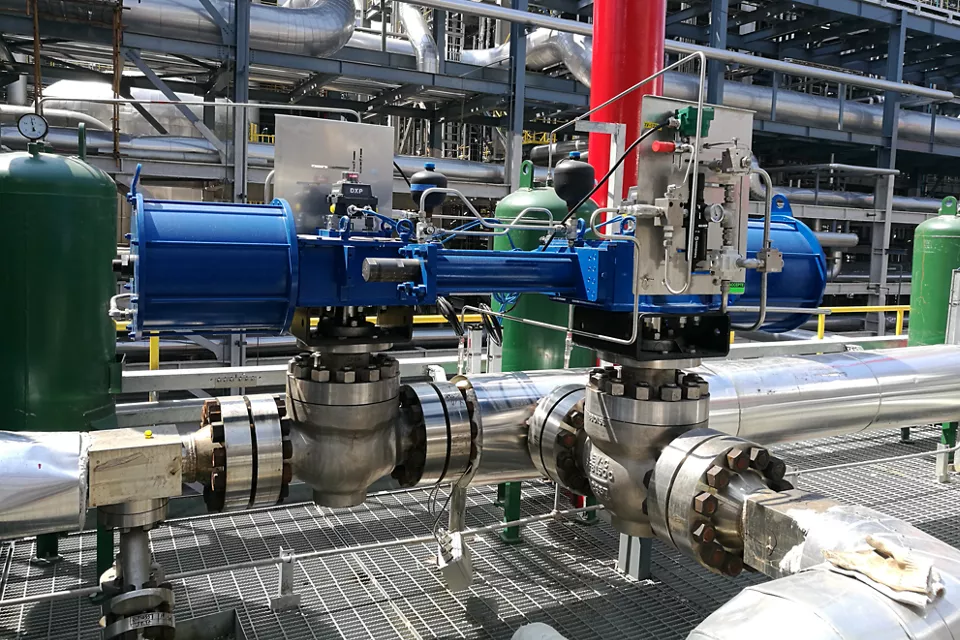
Traditional valve monitoring often relies on centralized systems that collect data from remote sensors and transmit it to a control room or cloud platform for analysis. While effective, this method can introduce latency, increase bandwidth usage, and delay response times. In contrast, edge sensors process data locally, enabling immediate action and reducing the need for constant connectivity.
Edge sensors for valve monitoring typically include a combination of position, vibration, pressure, and temperature sensors. These devices are installed directly on or near the valve, allowing for real-time assessment of operational status and early detection of irregularities. By leveraging edge computing, these sensors can trigger alerts, initiate automated responses, or send summarized data to higher-level systems for further analysis.
Key Benefits of Deploying Edge Sensors for Valve Detection
The adoption of edge-enabled valve monitoring brings several advantages to industrial operations:
- Real-time detection: Immediate identification of valve position changes, leaks, or abnormal vibrations allows for swift intervention and minimizes potential damage.
- Reduced network dependency: By processing data locally, edge sensors decrease reliance on continuous network connectivity, making them ideal for remote or bandwidth-constrained environments.
- Lower latency: Localized analytics ensure that critical events are acted upon without delay, supporting safety and compliance requirements.
- Improved maintenance planning: Early warning of wear, misalignment, or seal degradation enables predictive maintenance, reducing unplanned downtime and extending asset life.
- Optimized data transfer: Only relevant or summarized information is sent to central systems, reducing bandwidth costs and storage requirements.
How Edge Sensors Work in Valve Monitoring Applications
Edge-based valve monitoring systems utilize a combination of hardware and software to deliver actionable insights. Here’s how the process typically unfolds:
- Data acquisition: Sensors attached to the valve collect real-time measurements such as position, pressure, temperature, and vibration.
- Edge processing: Embedded processors or microcontrollers analyze the incoming data locally, applying algorithms to detect anomalies, trends, or threshold breaches.
- Event response: When a predefined condition is met—such as a valve failing to reach its intended position or exhibiting excessive vibration—the system can trigger alarms, shut down equipment, or initiate corrective actions automatically.
- Data transmission: Summarized or event-driven data is sent to supervisory control and data acquisition (SCADA) systems, cloud platforms, or maintenance teams for further review.
This distributed intelligence model ensures that critical issues are addressed promptly, even in environments where network connectivity is intermittent or unreliable.
Industrial Use Cases for Edge-Based Valve Monitoring
Valve monitoring edge sensors are being adopted across a range of industries to address specific operational challenges:
- Oil and gas: Monitoring wellhead and pipeline valves for leaks, blockages, or unauthorized operation, especially in remote or hazardous locations.
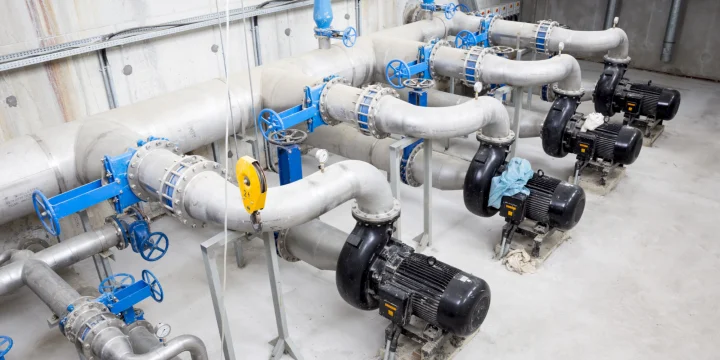
- Water and wastewater: Ensuring proper valve function in treatment plants and distribution networks to maintain water quality and prevent losses.
- Pharmaceutical manufacturing: Maintaining strict control over process valves to ensure product quality and regulatory compliance. For more on this, see valve monitoring in pharmaceuticals.
- Power generation: Detecting valve wear or failure in steam, cooling, and fuel systems to avoid costly outages and safety incidents.
- Food and beverage: Monitoring sanitary valves for hygiene and process control in production lines.
Integration with Data Analytics and Predictive Maintenance
Combining edge-based valve monitoring with advanced analytics unlocks even greater value. By feeding processed sensor data into machine learning models, organizations can predict failures before they occur and optimize maintenance schedules. For example, integrating with valve performance data analytics platforms enables deeper insights into asset health and operational efficiency.
Predictive maintenance powered by edge sensors helps reduce costs, extend equipment life, and improve overall reliability. Maintenance teams can prioritize interventions based on actual valve condition rather than fixed schedules, minimizing unnecessary work and maximizing uptime.
Choosing the Right Edge Sensor Solution
Selecting the appropriate edge sensor technology for valve monitoring depends on several factors:
- Valve type and criticality: Consider the specific valve design (e.g., ball, gate, butterfly) and its role in the process to determine required sensing capabilities.
- Environmental conditions: Ensure sensors are rated for temperature, humidity, vibration, and potential exposure to chemicals or dust.
- Connectivity options: Evaluate whether local wireless, wired, or hybrid communication is best suited for the site’s infrastructure.
- Power requirements: For remote deployments, low-power or battery-operated sensors may be necessary. Explore options like low power valve monitoring devices for challenging environments.
- Integration capabilities: Look for solutions that can easily interface with existing SCADA, DCS, or cloud-based platforms.
Industry Standards and Best Practices
When implementing edge-based monitoring, it’s important to follow industry standards and best practices for sensor installation, calibration, and cybersecurity. Regular validation of sensor accuracy and secure data transmission protocols help maintain system integrity and compliance.
For technical specifications and recommended diagnostic procedures, resources like the valve diagnostics data sheet library provide valuable guidance for engineers and maintenance professionals.
Challenges and Considerations
While the benefits of edge-enabled valve monitoring are clear, organizations should be aware of potential challenges:
- Initial investment: Upfront costs for hardware, installation, and integration can be significant, but are often offset by long-term savings.
- Interoperability: Ensuring compatibility between new edge sensors and legacy systems may require additional engineering effort.
- Cybersecurity: As more devices connect to industrial networks, robust security measures are essential to protect against unauthorized access and data breaches.
- Maintenance and support: Edge devices require periodic maintenance and updates to remain effective and secure.
Future Trends in Edge-Based Valve Monitoring
The evolution of valve monitoring edge sensors is closely linked to advancements in artificial intelligence, wireless connectivity, and miniaturization. Emerging trends include:
- AI-driven analytics: On-device machine learning algorithms for even faster and more accurate anomaly detection.
- 5G and LPWAN connectivity: Enhanced communication options for large-scale, distributed sensor networks.
- Self-powered sensors: Energy harvesting technologies to extend battery life and reduce maintenance.
- Plug-and-play integration: Easier deployment and configuration through standardized protocols and interfaces.
As these technologies mature, the adoption of edge-based valve monitoring will continue to expand, driving greater efficiency and resilience in industrial operations.
Frequently Asked Questions
What are the main advantages of using edge sensors for valve monitoring?
Edge sensors provide immediate detection of valve status and anomalies, reduce network dependency, and enable predictive maintenance. By processing data locally, they support faster response times and minimize bandwidth usage.
How do edge-based valve monitoring systems support predictive maintenance?
These systems continuously analyze sensor data to identify patterns that indicate wear or impending failure. Maintenance teams can then schedule interventions based on actual valve condition, reducing unplanned outages and extending equipment life.
Are edge sensors suitable for remote or hazardous environments?
Yes, edge sensors are ideal for remote or challenging locations because they operate independently of constant network connectivity. Many models are designed to withstand harsh environmental conditions and can be powered by batteries or energy harvesting technologies.