
In industries where fluid control is critical, the ability to measure, compare, and enhance valve performance can have a direct impact on operational efficiency, safety, and cost savings. Valve performance benchmarking tools have become essential for organizations aiming to optimize their processes, reduce downtime, and maintain regulatory compliance. These solutions provide data-driven insights, enabling maintenance teams and engineers to make informed decisions about equipment health, process bottlenecks, and improvement opportunities.
This article explores the landscape of benchmarking solutions for valves, highlighting their key features, benefits, and best practices for implementation. Whether you are responsible for plant operations, maintenance, or process optimization, understanding how to leverage these tools can lead to measurable improvements across your facility.
For those interested in advanced instrumentation, you may also want to explore valve monitoring instrumentation tools, which complement benchmarking by providing real-time data for precision control.
Understanding Valve Benchmarking Solutions
Benchmarking in the context of valves involves the systematic measurement and comparison of performance metrics such as flow rate, leakage, response time, and actuation force. Modern valve performance benchmarking tools integrate sensors, data analytics, and reporting platforms to deliver actionable insights. By establishing baseline values and comparing them against industry standards or historical data, organizations can identify underperforming assets, prioritize maintenance, and justify upgrades or replacements.
Key elements typically measured include:
- Flow coefficient (Cv): Indicates how much fluid can pass through a valve at a given pressure drop.
- Leakage rates: Detects internal or external leaks that may affect process integrity.
- Actuation speed: Measures how quickly a valve opens or closes, impacting process responsiveness.
- Seating force: Assesses the pressure required for a valve to achieve a tight seal.
- Cycle life: Tracks the number of open/close cycles to predict wear and schedule maintenance.
Types of Valve Performance Benchmarking Tools
There are several categories of solutions available, each suited to different operational needs and environments. Selecting the right tool depends on factors such as process criticality, regulatory requirements, and the complexity of your valve network.
Portable Diagnostic Devices
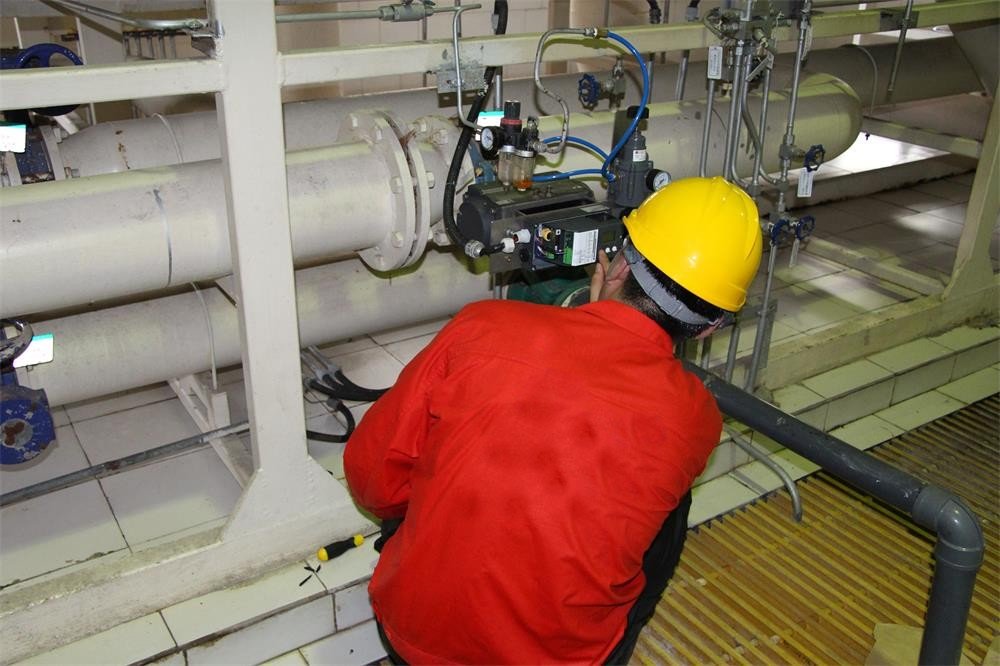
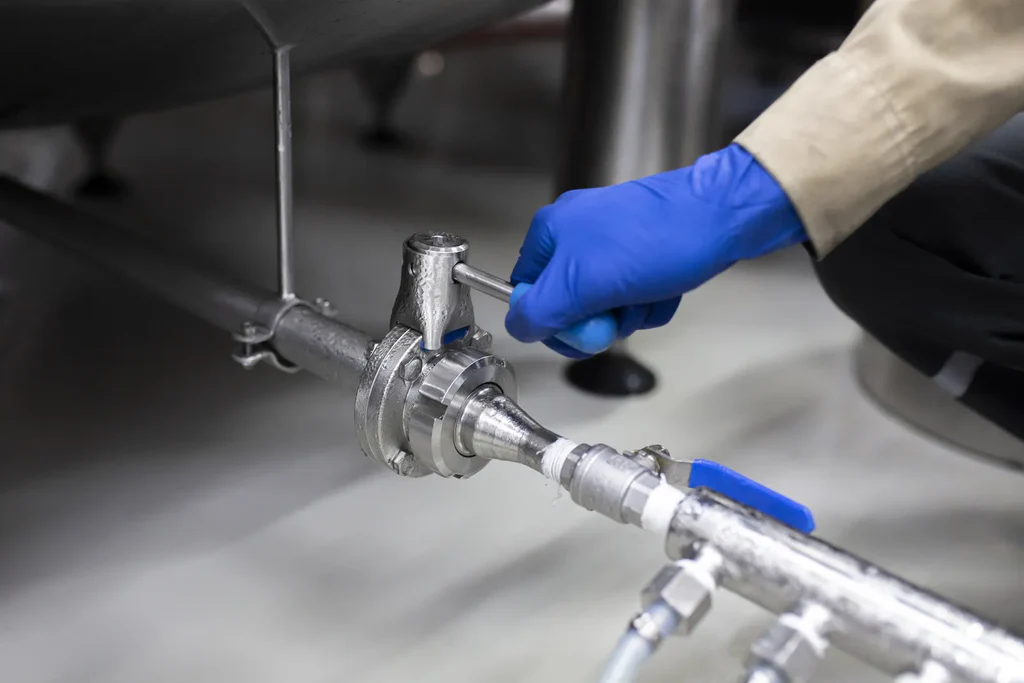
Handheld analyzers and portable test rigs allow technicians to assess valve performance in the field without removing equipment from service. These devices are valuable for spot checks, troubleshooting, and periodic audits. They typically measure parameters like leakage, actuation time, and pressure drop, providing immediate feedback.
Integrated Monitoring Systems
For continuous oversight, integrated systems combine sensors, data loggers, and software platforms to monitor valves in real time. These solutions are ideal for critical applications where early detection of performance degradation can prevent costly failures. Many platforms now offer cloud connectivity and advanced analytics, making it easier to benchmark performance across multiple sites.
Facilities with remote or hard-to-access valves may benefit from low power valve monitoring devices, which enable long-term data collection even in challenging environments.
Software-Based Analytics Platforms
Modern benchmarking increasingly relies on software that aggregates data from various sources, applies statistical analysis, and generates reports. These platforms can compare current valve metrics with historical trends or industry benchmarks, helping organizations identify patterns and prioritize interventions.
For deeper operational insights, consider leveraging valve performance data analytics to uncover root causes of inefficiency and support data-driven decision-making.
Benefits of Using Benchmarking Tools for Valve Optimization
Implementing benchmarking solutions delivers a range of advantages for process industries. Some of the most significant benefits include:
- Improved reliability: Early detection of wear or malfunction reduces unplanned downtime and extends asset life.
- Enhanced safety: Identifying leaks or faulty operation helps maintain safe working conditions and regulatory compliance.
- Cost savings: Targeted maintenance reduces unnecessary replacements and optimizes spare parts inventory.
- Process efficiency: Well-performing valves ensure consistent flow control, reducing energy consumption and product loss.
- Data-driven maintenance: Maintenance can be scheduled based on actual condition rather than arbitrary intervals.
In regulated industries such as pharmaceuticals, specialized solutions like valve monitoring in pharmaceuticals help ensure compliance with stringent quality standards.
Key Features to Look for in Benchmarking Solutions
When evaluating valve performance benchmarking tools, consider the following features to maximize value and usability:
- Comprehensive data capture: Ability to measure multiple parameters relevant to your process.
- Ease of integration: Compatibility with existing control systems and data infrastructure.
- User-friendly interface: Intuitive dashboards and reporting for quick interpretation of results.
- Scalability: Support for expanding to additional assets or sites as needs grow.
- Remote access: Cloud-based platforms enable monitoring and benchmarking from anywhere.
- Automated alerts: Real-time notifications for deviations from performance baselines.
Best Practices for Implementing Valve Benchmarking
To achieve the full benefits of benchmarking, organizations should follow a structured approach:
- Define objectives: Clearly articulate what you want to achieve—whether it’s reducing downtime, improving safety, or optimizing costs.
- Establish baselines: Collect initial data to set reference points for future comparison.
- Select appropriate tools: Choose solutions that align with your operational needs and technical capabilities.
- Train personnel: Ensure staff understand how to use the tools and interpret the data.
- Integrate with maintenance workflows: Use benchmarking insights to inform maintenance planning and asset management.
- Review and refine: Regularly assess the effectiveness of your benchmarking program and make adjustments as needed.
Predictive maintenance strategies can be enhanced by integrating benchmarking data with valve anomaly prediction models, allowing teams to anticipate failures before they occur.
Industry Trends and Innovations
The field of valve benchmarking is evolving rapidly, driven by advances in sensor technology, IoT connectivity, and artificial intelligence. Some notable trends include:
- Wireless sensors: Reducing installation complexity and enabling monitoring in remote locations.
- Machine learning: Enabling predictive analytics for more accurate maintenance scheduling.
- Cloud-based platforms: Facilitating centralized data management and benchmarking across multiple facilities.
- Integration with digital twins: Allowing virtual simulation of valve behavior for optimization and troubleshooting.
For a deeper dive into recent advancements, see this overview of innovations in industrial valve technology and how they are enhancing reliability and performance.
Frequently Asked Questions
What are the main benefits of using benchmarking tools for valves?
Benchmarking solutions provide actionable data that helps organizations identify underperforming valves, schedule maintenance more effectively, improve safety, and reduce operational costs. By comparing performance against established baselines or industry standards, teams can make informed decisions to optimize process reliability and efficiency.
How do benchmarking tools differ from standard monitoring devices?
While standard monitoring devices focus on real-time status and alarms, benchmarking tools are designed to measure, record, and compare performance metrics over time. This enables long-term trend analysis, root cause identification, and continuous improvement initiatives.
Can benchmarking solutions be integrated with existing plant systems?
Yes, most modern benchmarking platforms are designed for seamless integration with existing control systems, data historians, and maintenance management software. This ensures that performance data is easily accessible and actionable within established workflows.