
Modern water treatment facilities face increasing demands for reliability, compliance, and operational efficiency. At the heart of these operations are valves that control the flow, direction, and pressure of wastewater throughout complex networks. Wastewater valve monitoring systems have become essential for ensuring that treatment processes run smoothly, safely, and cost-effectively. By providing real-time data and actionable insights, these systems help operators detect issues early, optimize performance, and maintain regulatory standards.
As treatment plants evolve, the integration of smart monitoring solutions is no longer optional. Facilities that leverage advanced valve monitoring instrumentation tools can respond quickly to anomalies, reduce downtime, and extend the lifespan of critical assets. For a deeper dive into the technology behind these tools, explore valve monitoring instrumentation tools and how they contribute to precision control in industrial environments.
The Role of Valve Monitoring in Wastewater Treatment
Valves are fundamental to the operation of any wastewater facility. They regulate the movement of liquids, gases, and slurries, ensuring that each stage of treatment—from preliminary screening to final discharge—proceeds as intended. However, valves are susceptible to wear, fouling, and mechanical failure, which can disrupt processes and lead to compliance issues.
Implementing wastewater valve monitoring systems provides several key benefits:
- Early Fault Detection: Sensors and analytics identify leaks, blockages, or abnormal operation before they escalate.
- Process Optimization: Real-time data allows operators to fine-tune flow rates, pressure, and sequencing for maximum efficiency.
- Regulatory Compliance: Automated monitoring helps maintain records and ensure adherence to environmental standards.
- Reduced Downtime: Predictive alerts enable proactive maintenance, minimizing costly unplanned shutdowns.

Key Components of Modern Valve Monitoring Solutions
Today’s monitoring platforms combine hardware, software, and connectivity to deliver a comprehensive view of valve health and performance. The main components typically include:
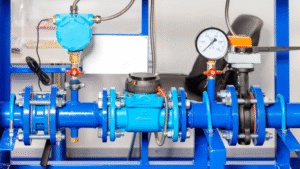
- Sensors: Devices that measure parameters such as position, pressure, temperature, and vibration.
- Controllers: Units that collect sensor data and execute control logic for automated operation.
- Communication Modules: Enable data transmission to central control rooms or cloud-based platforms.
- Analytics Software: Processes incoming data, identifies trends, and generates alerts or reports.
Some systems also integrate with broader plant management platforms, allowing for seamless coordination with pumps, mixers, and other equipment. For facilities with remote or distributed assets, low power valve monitoring devices offer reliable performance even in challenging environments.
How Valve Monitoring Enhances Treatment Efficiency
Efficiency in wastewater treatment is measured by the ability to process large volumes with minimal resource consumption and downtime. Valve monitoring systems directly impact this by:
- Reducing Energy Waste: By ensuring valves operate only when needed and at optimal settings, energy usage is minimized.
- Improving Flow Control: Accurate feedback prevents overflows, underflows, and process interruptions.
- Supporting Predictive Maintenance: Data-driven insights help schedule service before failures occur, avoiding emergency repairs.
- Enabling Data-Driven Decisions: Operators can analyze performance trends and adjust operations for better outcomes.

Integration with Data Analytics and Predictive Models
One of the most significant advancements in this field is the integration of monitoring data with advanced analytics and machine learning. By leveraging valve performance data analytics, facilities can uncover hidden inefficiencies, predict failures, and continuously improve their operations. Predictive models, such as those described in valve anomaly prediction models, use historical and real-time data to forecast issues before they impact performance.
This approach not only reduces maintenance costs but also supports long-term asset management and regulatory reporting. For industries with strict compliance requirements, these capabilities are invaluable.
Best Practices for Implementing Valve Monitoring in Wastewater Facilities
To maximize the benefits of a monitoring solution, consider the following best practices:
- Assess Facility Needs: Identify critical control points and prioritize valves that impact safety, compliance, or process continuity.
- Choose Scalable Solutions: Select systems that can grow with your facility and integrate with existing infrastructure.
- Ensure Data Accessibility: Opt for platforms that provide intuitive dashboards and remote access for operators and maintenance teams.
- Train Staff: Invest in training so personnel can interpret data and respond effectively to alerts.
- Maintain Security: Protect networked devices and data streams from cyber threats with robust security protocols.
For specialized industries, such as pharmaceuticals, tailored solutions like valve monitoring in pharmaceuticals address unique regulatory and operational challenges.
Industry Trends and the Future of Valve Monitoring
The adoption of digital transformation strategies is accelerating across the water sector. As highlighted in this overview of digital transformation in valve monitoring, the shift toward connected, intelligent systems is delivering measurable value. Facilities are moving beyond basic monitoring to embrace predictive analytics, remote diagnostics, and automated control, all of which contribute to greater efficiency and resilience.
Looking ahead, expect to see further integration with IoT platforms, enhanced cybersecurity measures, and broader adoption of AI-driven decision support tools. These advances will make it easier for operators to manage complex networks, reduce operational risks, and achieve sustainability goals.
Frequently Asked Questions
What are the main benefits of using valve monitoring systems in wastewater treatment?
Key advantages include early detection of faults, improved process control, reduced downtime, and better compliance with environmental regulations. By providing real-time data, these systems help operators make informed decisions and maintain efficient operations.
How do monitoring systems detect valve anomalies?
These solutions use sensors to track parameters like position, pressure, and temperature. Analytics software processes this data to identify patterns or deviations that may indicate leaks, blockages, or mechanical wear, allowing for timely maintenance.
Can valve monitoring solutions be integrated with existing plant infrastructure?
Yes, most modern platforms are designed for compatibility with a wide range of control systems and can be scaled to fit facilities of different sizes. Integration with data analytics and predictive maintenance tools further enhances their value.