
Maintaining precise control over temperature is essential in industries such as chemical manufacturing, food processing, pharmaceuticals, and energy production. As processes become more automated and quality standards rise, the need for reliable temperature valve monitoring solutions has grown significantly. These systems help operators detect anomalies, optimize performance, and prevent costly downtime by providing real-time data on valve status and temperature fluctuations.
Modern monitoring technology not only improves operational efficiency but also supports compliance with safety and environmental regulations. By integrating smart sensors and analytics, facilities can achieve better process stability and reduce the risk of equipment failure. For those seeking to enhance their plant’s reliability, leveraging advanced valve monitoring instrumentation tools is a strategic move that pays dividends in both performance and peace of mind.
Key Components of Modern Valve Monitoring Systems
Today’s temperature valve monitoring solutions combine several core technologies to deliver accurate and actionable insights. The main components typically include:
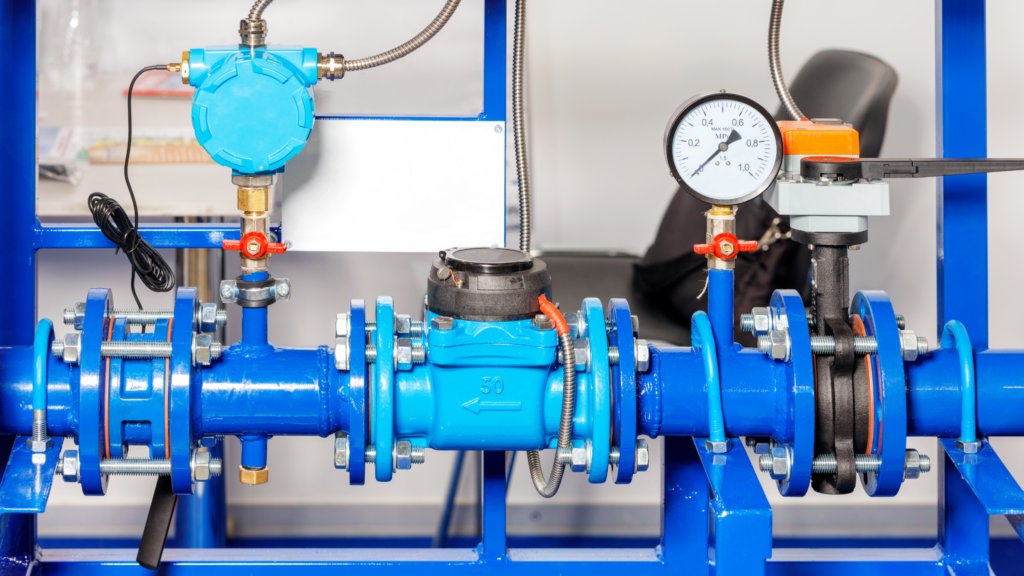
- Sensors: These devices measure temperature, pressure, and valve position, transmitting data to a central system.
- Controllers: Programmable logic controllers (PLCs) or distributed control systems (DCS) process sensor data and initiate corrective actions if needed.
- Communication Networks: Wired or wireless protocols (such as HART, Modbus, or Industrial Ethernet) enable seamless data transfer between field devices and control rooms.
- Analytics Platforms: Software tools analyze trends, detect anomalies, and generate reports for operators and maintenance teams.
By integrating these elements, facilities can monitor critical valves in real time, respond quickly to deviations, and schedule maintenance proactively.
Benefits of Implementing Temperature Valve Monitoring
Deploying advanced monitoring for temperature-regulated valves brings a range of operational and strategic advantages:
- Improved Process Control: Real-time data allows for tighter temperature regulation, reducing product variability and waste.
- Enhanced Safety: Early detection of valve malfunctions or leaks minimizes the risk of hazardous incidents.
- Predictive Maintenance: Continuous monitoring helps identify wear and tear before failures occur, supporting a shift from reactive to predictive maintenance strategies.
- Regulatory Compliance: Detailed records and automated alerts help meet industry standards for quality and safety.
- Energy Efficiency: Optimized valve operation reduces unnecessary energy consumption and associated costs.
These benefits are especially important in sectors where even minor deviations can have significant financial or safety consequences.
How Smart Technologies Are Transforming Valve Monitoring
The rise of Industrial Internet of Things (IIoT) and smart devices is reshaping how temperature valves are monitored and managed. Wireless sensors, cloud-based analytics, and machine learning algorithms are enabling a new level of insight and automation.
For example, smart sensors can detect subtle changes in valve performance that might indicate impending failure. Cloud platforms aggregate data from multiple assets, allowing for fleet-wide analysis and benchmarking. Machine learning models can predict failures based on historical trends, enabling maintenance teams to act before problems escalate.
These innovations are making temperature valve monitoring solutions more accessible and effective, even in complex or remote environments.
Choosing the Right Monitoring Solution for Your Facility
Selecting an appropriate system depends on several factors, including process complexity, regulatory requirements, and budget constraints. Here are some key considerations:
- Scalability: Can the solution be expanded as your facility grows or as monitoring needs change?
- Integration: Will the system work with your existing control infrastructure and software?
- Data Accessibility: Does the platform provide easy access to real-time and historical data for operators and engineers?
- Reliability: Are the sensors and communication networks robust enough for your operating environment?
- Support and Maintenance: Is technical support readily available, and are updates or repairs straightforward?
Consulting with solution providers and reviewing case studies can help identify the best fit for your specific application. For a deeper dive into the latest in industrial valve monitoring, explore resources like valve monitoring industrial solutions for modern plants.
Integration with Plant-Wide Systems and Analytics
Integrating temperature valve monitoring with broader plant systems unlocks additional value. When monitoring platforms connect with enterprise resource planning (ERP), computerized maintenance management systems (CMMS), or advanced analytics tools, organizations can:
- Automate work orders based on real-time equipment health data
- Correlate valve performance with production outcomes
- Optimize inventory and spare parts management
- Generate comprehensive compliance and audit reports
This level of integration supports smarter planning and more efficient operations. For more on this topic, see how valve monitoring integration with ERP can streamline decision-making and maintenance workflows.
Continuous Improvement Through Data-Driven Insights
One of the most valuable aspects of modern monitoring is the ability to drive continuous improvement. By collecting and analyzing data over time, facilities can:
- Identify recurring issues and root causes
- Benchmark performance across different lines or sites
- Implement process changes and measure their impact
- Reduce unplanned downtime and extend equipment life
Advanced analytics platforms, such as those discussed in advanced valve analytics systems, provide the tools needed to turn raw data into actionable strategies for reliability and efficiency.
Industry Trends and Future Outlook
The market for temperature valve monitoring solutions is evolving rapidly. Key trends include:
- Edge Computing: Processing data closer to the source for faster response times and reduced bandwidth usage.
- Wireless and Battery-Free Sensors: Lower installation costs and improved flexibility in sensor placement.
- AI-Driven Predictive Maintenance: Leveraging artificial intelligence to anticipate failures and optimize maintenance schedules.
- Enhanced Cybersecurity: Protecting critical infrastructure from digital threats as connectivity increases.
As these technologies mature, they will continue to reshape how industries approach process control and asset management. For a look at continuous monitoring advancements, the Valve Sense continuous valve monitoring system offers an example of next-generation solutions in action.
FAQ: Temperature Valve Monitoring in Industrial Environments
What are the main challenges in monitoring temperature valves?
Common challenges include harsh operating conditions, signal interference, and integrating new sensors with legacy systems. Selecting robust hardware and ensuring compatibility with existing infrastructure are key to overcoming these issues.
How often should temperature valve monitoring systems be calibrated?
Calibration frequency depends on the manufacturer’s recommendations, process criticality, and environmental factors. Many facilities schedule calibration annually, but high-precision applications may require more frequent checks.
Can monitoring solutions help reduce energy consumption?
Yes, by ensuring valves operate within optimal parameters, these systems can minimize energy waste and support sustainability goals. Real-time data enables quick adjustments that improve efficiency across the process.
Are wireless monitoring systems reliable for critical applications?
Modern wireless systems have advanced significantly, offering high reliability and security. However, it’s important to assess network coverage, potential interference, and battery life to ensure suitability for mission-critical operations.
How do I choose between cloud-based and on-premises monitoring platforms?
The choice depends on your facility’s IT policies, data security requirements, and need for remote access. Cloud solutions offer scalability and easier updates, while on-premises systems provide greater control over data.
Conclusion
Adopting robust temperature valve monitoring solutions is essential for industries aiming to maintain process stability, enhance safety, and optimize maintenance. With the right combination of sensors, analytics, and integration, organizations can unlock new levels of efficiency and reliability. As technology continues to advance, staying informed about the latest developments will help ensure your facility remains competitive and compliant in a rapidly changing landscape.