
Ensuring the safety and reliability of industrial infrastructure depends heavily on the condition of critical components like valves. Over time, valves are exposed to fluctuating pressures, temperatures, and mechanical loads, all of which can lead to stress accumulation and eventual failure. Valve stress monitoring systems have emerged as essential tools for maintaining structural integrity, enabling operators to detect issues before they escalate into costly or hazardous events.
These advanced solutions provide real-time insights into the health of valves, supporting proactive maintenance and reducing unplanned downtime. By leveraging sensor technology, data analytics, and remote monitoring, organizations can extend asset life and optimize operational efficiency. For those seeking to enhance their monitoring capabilities, exploring valve monitoring instrumentation tools offers a deeper understanding of precision control options available today.
Understanding Valve Stress and Its Impact on Infrastructure
Valves serve as control points in pipelines, processing plants, and energy systems. They regulate flow, pressure, and isolation, making their reliability crucial for safe operations. However, valves are subjected to a range of stresses, including:
- Thermal stress from temperature fluctuations
- Mechanical stress due to pressure surges and operational cycles
- Vibration and fatigue from continuous use
If left unchecked, these stresses can cause leaks, cracks, or catastrophic failures. Early detection through robust monitoring is key to preventing such issues and maintaining the overall integrity of industrial assets.
Key Components of Modern Valve Stress Monitoring Solutions
A comprehensive valve stress monitoring system typically integrates several technologies to provide accurate, actionable data:
- Sensors: Devices that measure strain, pressure, temperature, and vibration directly on the valve body or surrounding infrastructure.
- Data acquisition units: Hardware that collects and digitizes sensor readings for analysis.
- Communication modules: Wireless or wired systems that transmit data to central monitoring platforms.
- Analytics software: Tools that process incoming data, identify trends, and trigger alerts when thresholds are exceeded.
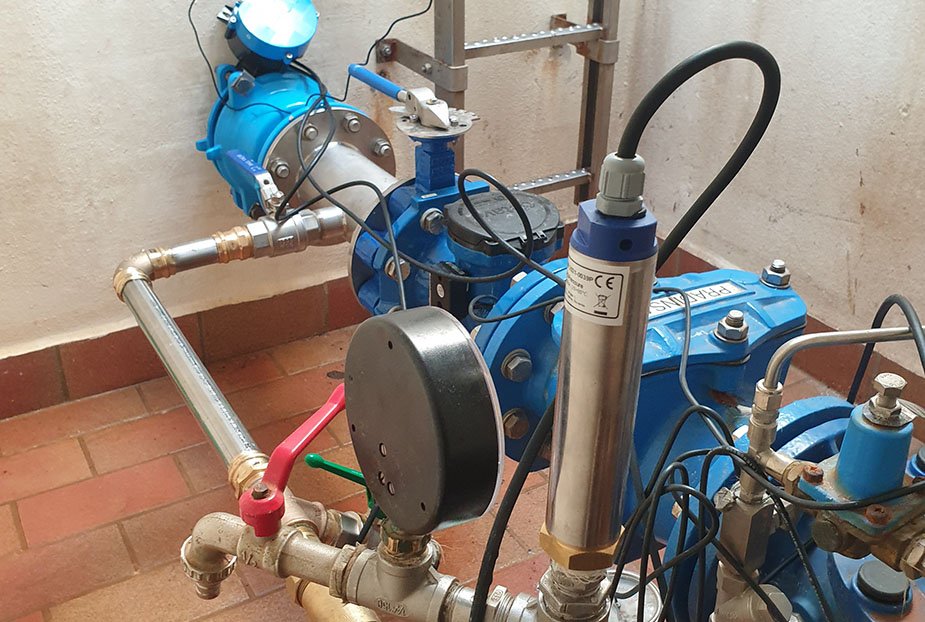
By combining these elements, operators gain a holistic view of valve health, enabling them to make informed maintenance decisions and avoid unexpected breakdowns.
Benefits of Implementing Valve Stress Monitoring Technology
Adopting advanced monitoring systems for valves offers several tangible advantages:
- Early fault detection: Continuous monitoring identifies abnormal stress patterns before they develop into failures.
- Reduced maintenance costs: Targeted interventions based on real data minimize unnecessary inspections and repairs.
- Extended asset lifespan: Preventing excessive stress and fatigue helps valves operate reliably for longer periods.
- Enhanced safety: Proactive alerts reduce the risk of hazardous leaks or ruptures, protecting personnel and the environment.
- Regulatory compliance: Detailed records of valve condition support adherence to industry standards and safety regulations.
Industries such as oil and gas, water treatment, and power generation increasingly rely on these systems to maintain uninterrupted operations and safeguard critical infrastructure.
How Valve Stress Monitoring Systems Work
The operation of these systems centers on real-time data acquisition and analysis. Sensors are strategically placed on or near valves to capture stress-related parameters. This data is then transmitted to a centralized platform, where it is processed using advanced algorithms.
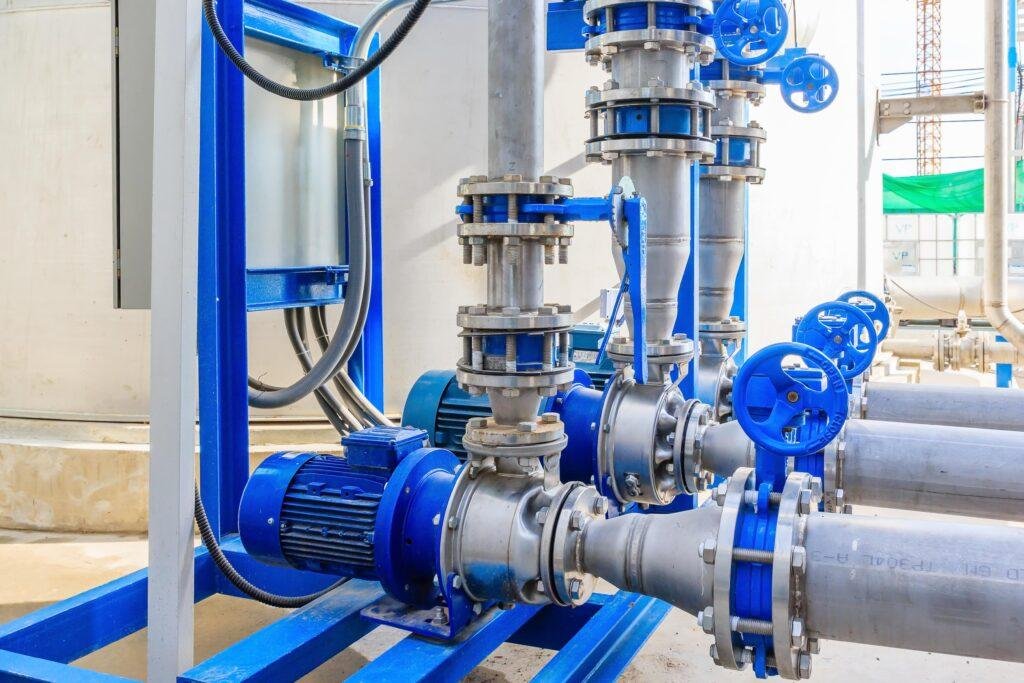
The analytics software can detect deviations from normal operating conditions, such as sudden spikes in pressure or unusual vibration patterns. When predefined thresholds are surpassed, the system generates alerts, allowing maintenance teams to respond swiftly.
For organizations looking to enhance predictive capabilities, integrating valve anomaly prediction models can further improve maintenance planning and reduce the likelihood of unplanned outages.
Integration with Broader Asset Management Strategies
Monitoring valve stress is most effective when it forms part of a larger asset management framework. By connecting these systems with plant-wide monitoring platforms, organizations can achieve:
- Centralized data visualization: Unified dashboards display the status of all critical assets, including valves, pumps, and pipelines.
- Automated reporting: Regular summaries and compliance documentation are generated automatically.
- Predictive maintenance scheduling: Maintenance activities are prioritized based on real-time condition data rather than fixed intervals.
Solutions such as valve performance data analytics and valve condition visualization tools provide additional layers of insight, helping operators make smarter decisions and allocate resources efficiently.
Challenges and Considerations in Deploying Monitoring Systems
While the benefits are clear, implementing valve stress monitoring technology does come with challenges:
- Initial investment: The cost of sensors, data infrastructure, and integration can be significant, especially for large facilities.
- Data management: Handling and interpreting large volumes of sensor data requires robust IT systems and skilled personnel.
- Environmental factors: Harsh operating environments may affect sensor accuracy and longevity.
- Compatibility: Ensuring new monitoring solutions work seamlessly with existing equipment and control systems is essential.
To address these challenges, some organizations opt for low power valve monitoring devices that are designed for remote or difficult-to-access locations, reducing maintenance requirements and improving reliability.
Industry Trends and Innovations
The field of valve monitoring is evolving rapidly, driven by advances in sensor miniaturization, wireless communication, and artificial intelligence. Recent trends include:
- IoT-enabled devices: Internet of Things technology allows for seamless integration and remote access to valve condition data.
- Cloud-based analytics: Storing and processing data in the cloud enables scalable, real-time insights across multiple sites.
- Machine learning algorithms: AI-driven analysis improves the accuracy of fault detection and maintenance predictions.
For a deeper dive into how digital transformation is shaping the industry, see this expert discussion on the value of digital valve monitoring.
Frequently Asked Questions
What types of sensors are commonly used in valve stress monitoring?
Common sensors include strain gauges, accelerometers, pressure transducers, and temperature sensors. These devices are selected based on the specific stress factors relevant to the valve’s application and environment.
How often should valve condition data be reviewed?
Ideally, data should be monitored continuously, with automated alerts set for abnormal readings. Regular reviews—weekly or monthly—help identify trends and inform maintenance planning.
Can existing valves be retrofitted with monitoring technology?
Yes, many modern systems are designed for retrofit applications. Wireless sensors and compact data modules can often be installed without major modifications to existing infrastructure.
Conclusion
Investing in valve stress monitoring systems is a proactive step toward safeguarding industrial assets, improving operational efficiency, and minimizing risk. As technology advances, these solutions will become even more accessible and integral to modern asset management strategies. By staying informed and leveraging the latest innovations, organizations can ensure the long-term reliability and safety of their critical infrastructure.