
In industrial and municipal systems, valves play a crucial role in controlling the flow of liquids and gases. Over time, the repetitive action of opening and closing these components can lead to mechanical wear, potentially resulting in leaks, failures, or costly unplanned downtime. Valve opening closing cycle monitoring is an advanced approach that tracks each actuation event, providing valuable data for predicting wear and optimizing maintenance schedules.
By leveraging real-time monitoring and analytics, operators can move from reactive repairs to predictive maintenance strategies. This not only extends the service life of critical assets but also enhances operational reliability. For organizations seeking to improve efficiency and reduce maintenance costs, understanding how to implement and benefit from cycle tracking is essential.
For those interested in broader operational insights, exploring valve performance data analytics can further enhance understanding of system health and efficiency.
Understanding Cycle Monitoring in Valve Operations
Valve opening closing cycle monitoring involves the continuous or periodic recording of each time a valve transitions between open and closed states. This data is typically collected using sensors or smart actuators that log every actuation event. By analyzing this information, maintenance teams can estimate the accumulated mechanical stress on the valve components.
Cycle tracking is especially important in high-duty environments, such as water distribution networks, chemical processing plants, and energy facilities, where valves may operate thousands of times per year. Monitoring allows for early detection of abnormal patterns, such as excessive cycling or incomplete closures, which may indicate underlying issues.
Why Track Valve Actuation Cycles?
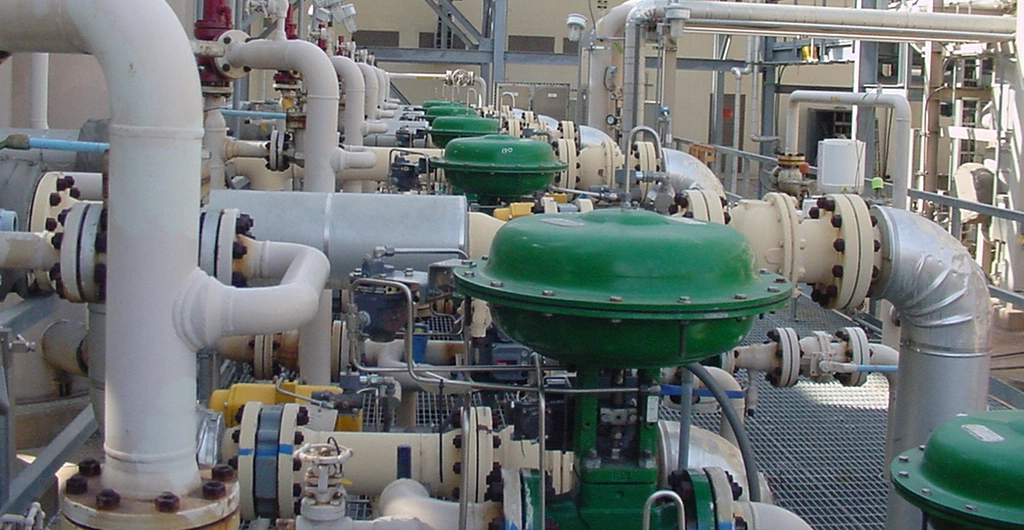
Every time a valve opens or closes, its moving parts—such as stems, seats, seals, and actuators—experience friction and stress. Over time, this leads to wear, which can compromise sealing performance or even cause mechanical failure. By counting and analyzing actuation cycles, operators can:
- Predict wear and schedule maintenance before failures occur
- Identify valves that are cycling more frequently than expected
- Correlate cycle data with process changes or operational anomalies
- Optimize spare parts inventory by forecasting replacement needs
This proactive approach reduces the risk of unplanned outages and extends the lifespan of critical infrastructure.
Key Technologies for Cycle Monitoring and Wear Analysis
Modern systems use a variety of technologies to enable valve opening closing cycle monitoring and wear analysis:
- Smart actuators with built-in counters and diagnostics
- Non-intrusive sensors that detect movement or position changes
- Wireless data transmission for remote monitoring
- Cloud-based analytics platforms for trend analysis and reporting
These technologies can be integrated into both new installations and retrofitted onto existing assets. For a deeper dive into diagnostic tools, see this comprehensive guide to control valve diagnostics.
Data-Driven Maintenance Strategies
Traditional maintenance approaches often rely on fixed schedules, such as replacing seals or lubricating actuators every six months. However, this can lead to unnecessary work or missed failures. By using cycle data, teams can adopt a condition-based or predictive maintenance model:
- Condition-based maintenance: Service is performed when cycle counts or diagnostic data indicate increased wear.
- Predictive maintenance: Advanced analytics forecast when a valve is likely to fail, allowing for planned interventions.
This shift reduces maintenance costs, minimizes downtime, and ensures that resources are allocated where they are most needed.
Integrating Cycle Data with Broader Asset Management
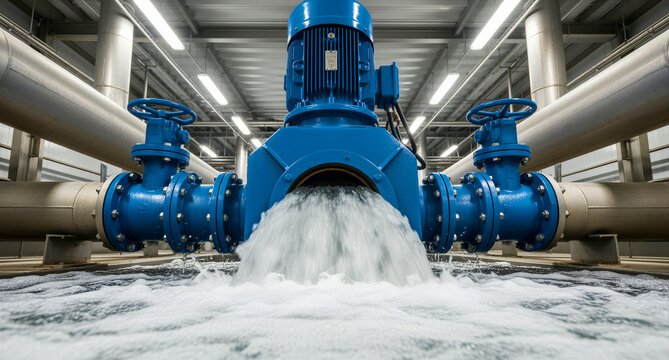
Cycle monitoring is most effective when combined with other operational data. For example, integrating actuation counts with pressure, temperature, and flow measurements can provide a holistic view of valve health. This enables more accurate wear analysis and supports advanced strategies like valve anomaly prediction models, which use machine learning to detect early signs of failure.
In water utilities and irrigation systems, combining cycle data with network monitoring tools—such as water distribution valve monitoring or irrigation valve monitoring solutions—can further improve reliability and resource management.
Best Practices for Implementing Cycle Monitoring
To maximize the benefits of valve opening closing cycle monitoring, consider the following best practices:
- Start with critical assets: Focus on valves whose failure would have the greatest operational or safety impact.
- Choose the right sensors: Select monitoring devices that are compatible with your valve types and operating environment.
- Automate data collection: Use digital systems to minimize manual data entry and reduce errors.
- Set actionable thresholds: Define cycle count limits or diagnostic triggers that prompt maintenance actions.
- Review and refine: Regularly analyze collected data to improve predictive models and maintenance plans.
By following these steps, organizations can transition from reactive to proactive asset management, reducing costs and improving system reliability.
Challenges and Considerations
While the benefits of cycle monitoring are clear, there are some challenges to consider:
- Data overload: Collecting cycle data from hundreds or thousands of valves can create large volumes of information. Effective data management and analytics tools are essential.
- Integration complexity: Retrofitting sensors onto existing infrastructure may require custom solutions or downtime.
- Change management: Shifting to a data-driven maintenance culture requires training and buy-in from operations and maintenance teams.
Despite these hurdles, the long-term gains in reliability and cost savings make cycle monitoring a valuable investment for many organizations.
Future Trends in Valve Monitoring
The field of valve monitoring is evolving rapidly. Advances in IoT, wireless communication, and artificial intelligence are enabling more sophisticated analytics and automation. Future systems may offer:
- Real-time health scoring for every valve in a network
- Automated alerts for abnormal cycling or wear patterns
- Integration with plant-wide smart automation platforms, such as smart valve automation systems
- Seamless connectivity with enterprise asset management (EAM) software
These innovations will further enhance the ability of operators to maintain safe, efficient, and reliable systems.
FAQ
How does cycle monitoring help predict valve wear?
By tracking the number of times a valve opens and closes, cycle monitoring provides a direct measure of mechanical usage. This data can be correlated with known wear rates for specific valve types, allowing maintenance teams to estimate when components are likely to require servicing or replacement.
What types of valves benefit most from actuation tracking?
High-duty valves that operate frequently—such as those in water distribution, chemical processing, or automated manufacturing—benefit most from actuation tracking. However, even infrequently used valves can be monitored to detect unexpected cycling or operational anomalies.
Can cycle monitoring be retrofitted to existing valves?
Yes, many modern sensors and monitoring devices can be installed on existing valves without major modifications. Non-intrusive sensors and wireless communication options make it feasible to add cycle tracking to legacy infrastructure.