
As industrial facilities strive to improve efficiency, safety, and sustainability, smart valve automation systems have become a cornerstone of modern plant operations. These advanced solutions integrate sensors, actuators, and digital controls to enable real-time monitoring and precise management of fluid flow across a wide range of industries. Whether in oil and gas, water treatment, power generation, or chemical processing, automated valve technology is transforming how plants operate, optimize resources, and respond to dynamic conditions.
For organizations looking to modernize their infrastructure, understanding the benefits, components, and implementation strategies of these intelligent systems is essential. In this article, we’ll explore how automated valve technology works, its key advantages, and what to consider when deploying these solutions in your facility.
Before diving deeper, it’s worth noting that integrating advanced automation can also enhance predictive maintenance and diagnostics. For a detailed look at how diagnostic tools support these systems, see this comprehensive overview of valve diagnostics.
How Automated Valve Technology Works
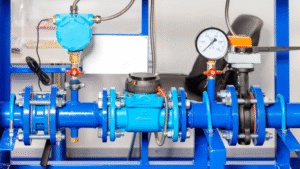
At the heart of modern plant automation are networked valves equipped with sensors and actuators. These components are connected to a central control system, often via industrial communication protocols such as Modbus, Profibus, or Ethernet/IP. The system continuously gathers data on valve position, pressure, temperature, and flow rate, enabling operators to make informed decisions or trigger automated responses.
The core components of a typical automated valve setup include:
- Actuators: Devices that physically move the valve in response to control signals.
- Sensors: Instruments that monitor process variables like flow, pressure, and temperature.
- Controllers: Programmable logic controllers (PLCs) or distributed control systems (DCS) that process sensor data and issue commands.
- Communication Modules: Hardware and software enabling data exchange between field devices and central systems.
- Human-Machine Interface (HMI): Dashboards or panels for operators to monitor status and intervene when necessary.

Key Benefits of Smart Valve Automation Systems
Adopting intelligent valve automation brings several advantages to industrial operations:
- Enhanced Process Control: Automated valves enable precise regulation of flow and pressure, reducing variability and improving product quality.
- Increased Safety: Real-time monitoring and remote operation minimize manual intervention, lowering the risk of accidents and exposure to hazardous environments.
- Predictive Maintenance: Continuous data collection allows for early detection of wear, leaks, or malfunctions, supporting proactive maintenance and reducing unplanned downtime.
- Energy Efficiency: Optimized valve operation reduces energy consumption by avoiding unnecessary throttling or overuse of pumps and compressors.
- Scalability and Flexibility: Modular system designs make it easier to expand or modify plant operations as needs evolve.
These benefits translate into lower operating costs, improved compliance with regulations, and a stronger competitive edge in demanding markets.
Applications Across Industrial Sectors
The use of automated valve control is widespread, with applications tailored to the specific needs of each industry:
- Oil and Gas: Automated valves manage the flow of crude, gas, and refined products through pipelines, storage tanks, and processing units, ensuring safety and efficiency.
- Water and Wastewater Treatment: Intelligent valves regulate water distribution, filtration, and chemical dosing, supporting reliable and compliant operations.
- Power Generation: In power plants, automated valves control steam, cooling water, and fuel supply, optimizing performance and reducing emissions.
- Chemical and Pharmaceutical: Precise control is critical for batch processing, blending, and maintaining sterile conditions.
- Food and Beverage: Automated systems help maintain hygiene, consistency, and traceability in production lines.
Choosing the Right Solution for Your Facility
Selecting the best automated valve management system for your plant involves several considerations:
- Compatibility: Ensure the system integrates with your existing control architecture and supports your preferred communication protocols.
- Scalability: Look for solutions that can grow with your facility, accommodating future expansion or process changes.
- Reliability: Choose components with proven durability and support for harsh operating environments.
- Cybersecurity: As connectivity increases, robust security features are essential to protect against unauthorized access and cyber threats.
- Support and Training: Reliable technical support and comprehensive training resources help ensure smooth implementation and ongoing success.
Consulting with experienced automation partners can help you assess your needs, evaluate available technologies, and develop a roadmap for deployment.
Implementation Best Practices
To maximize the value of your investment in advanced valve automation, consider these best practices:
- Conduct a Thorough Assessment: Map out your current processes, identify bottlenecks, and define clear objectives for automation.
- Pilot Projects: Start with a pilot installation in a specific area to validate performance and identify any integration challenges.
- Standardize Where Possible: Use standardized components and protocols to simplify maintenance and future upgrades.
- Train Your Team: Provide hands-on training for operators and maintenance staff to ensure safe and effective system use.
- Monitor and Optimize: Continuously review system performance data to identify opportunities for further optimization.
By following these guidelines, facilities can achieve smoother transitions, faster ROI, and sustained operational improvements.
Frequently Asked Questions
What are the main components of a smart valve automation setup?
The essential elements include actuators (to move the valves), sensors (to monitor process variables), controllers (to process data and issue commands), communication modules (for data exchange), and human-machine interfaces (for operator interaction).
How do automated valve systems improve plant safety?
These systems enable remote operation and real-time monitoring, reducing the need for manual intervention in hazardous areas and allowing for rapid response to abnormal conditions, which minimizes risks to personnel and equipment.
Can existing plants retrofit smart valve automation technology?
Yes, many facilities can upgrade legacy systems with modular automation components. Compatibility with existing infrastructure and communication protocols should be evaluated during the planning phase to ensure a smooth integration.