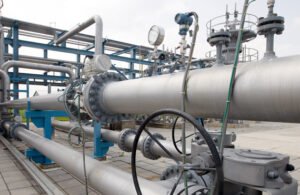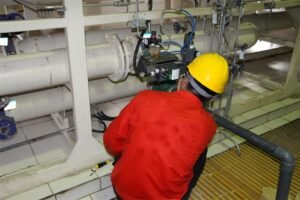

As manufacturing plants strive for greater productivity and reliability, the role of valve monitoring in manufacturing plants has become increasingly important. Modern facilities depend on a complex network of valves to control the flow of liquids, gases, and other materials essential to production processes. When these components are not properly monitored, issues like leaks, blockages, or malfunctions can lead to costly downtime, safety risks, and reduced product quality.
Advancements in digital monitoring and analytics are transforming how manufacturers manage their valve assets. By adopting smart monitoring solutions, plants can achieve real-time visibility, optimize maintenance schedules, and respond proactively to emerging issues. For those interested in the latest instrumentation, valve monitoring instrumentation tools offer a deeper look at precision control technologies that support operational excellence.
Why Valve Monitoring Is Critical for Modern Manufacturing
Valves are the gatekeepers of industrial processes, regulating everything from water and steam to chemicals and compressed air. In a typical facility, hundreds or even thousands of valves may be in operation at any given time. Without effective monitoring, even a single failure can disrupt production lines, impact product consistency, or create hazardous conditions.
Key reasons why valve monitoring in manufacturing plants is essential include:
- Preventing unplanned downtime: Early detection of wear, leaks, or sticking valves helps avoid unexpected shutdowns.
- Enhancing safety: Monitoring can identify abnormal pressure or flow conditions before they escalate into safety incidents.
- Optimizing maintenance: Data-driven insights enable predictive maintenance, reducing unnecessary manual inspections and extending asset life.
- Improving efficiency: Automated systems ensure valves operate within specified parameters, supporting consistent production quality.
Types of Valve Monitoring Technologies
There are several approaches to tracking valve performance and health in manufacturing environments. The choice of technology depends on process requirements, the criticality of the valve, and integration needs.
Sensor-Based Monitoring
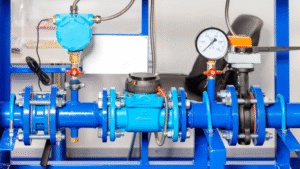
Sensor-based solutions are among the most common, utilizing devices that measure parameters such as position, pressure, temperature, and flow. These sensors can be installed directly on valves or in adjacent piping to provide continuous feedback.

Common sensor types include:
- Position sensors: Detect whether a valve is open, closed, or partially open.
- Pressure transducers: Monitor inlet and outlet pressures to identify abnormal conditions.
- Temperature sensors: Track temperature changes that may indicate leaks or blockages.
- Flow meters: Measure the rate of material passing through the valve, highlighting performance issues.
Wireless and IoT-Enabled Systems
Wireless monitoring platforms are gaining traction due to their flexibility and scalability. These systems use IoT (Internet of Things) devices to transmit data from valves to centralized dashboards, enabling remote oversight and rapid response. Wireless solutions are particularly valuable in large or hazardous areas where wired connections are impractical.
IoT-enabled monitoring can be integrated with plant automation systems, providing actionable insights and supporting advanced analytics. For a comprehensive overview of how these technologies are shaping the industry, see innovations in industrial valve technology that enhance performance and reliability.
Advanced Valve Analytics and Predictive Maintenance
Beyond basic monitoring, advanced analytics platforms leverage machine learning and historical data to predict failures before they occur. By analyzing trends in valve behavior, these systems can recommend targeted maintenance, reducing costs and minimizing disruptions. For more on this topic, explore advanced valve analytics systems designed for data-driven maintenance strategies.
Key Benefits of Implementing Valve Monitoring in Manufacturing Plants
Integrating smart monitoring solutions delivers a range of tangible benefits for manufacturers. These include:
- Reduced maintenance costs: Predictive insights allow teams to focus on valves that truly need attention, minimizing unnecessary labor and parts replacement.
- Increased uptime: Early detection of anomalies prevents unplanned outages and keeps production lines running smoothly.
- Enhanced regulatory compliance: Automated record-keeping and real-time alerts help meet safety and environmental standards.
- Improved product quality: Stable process conditions ensure consistent output and reduce waste.
- Energy savings: Efficient valve operation reduces energy consumption by preventing leaks and optimizing flow rates.
Integration and Data Management Considerations
To maximize the value of valve monitoring, integration with existing plant systems is essential. Modern solutions often connect with SCADA, DCS, or ERP platforms, enabling seamless data flow and coordinated decision-making. For those looking to connect monitoring with broader planning tools, valve monitoring integration with ERP can help streamline operations and support smarter resource allocation.
Effective data management ensures that insights from valve monitoring are actionable and accessible. Key considerations include:
- Data security: Protecting sensitive operational data from unauthorized access.
- Scalability: Ensuring the system can accommodate future expansion or new process lines.
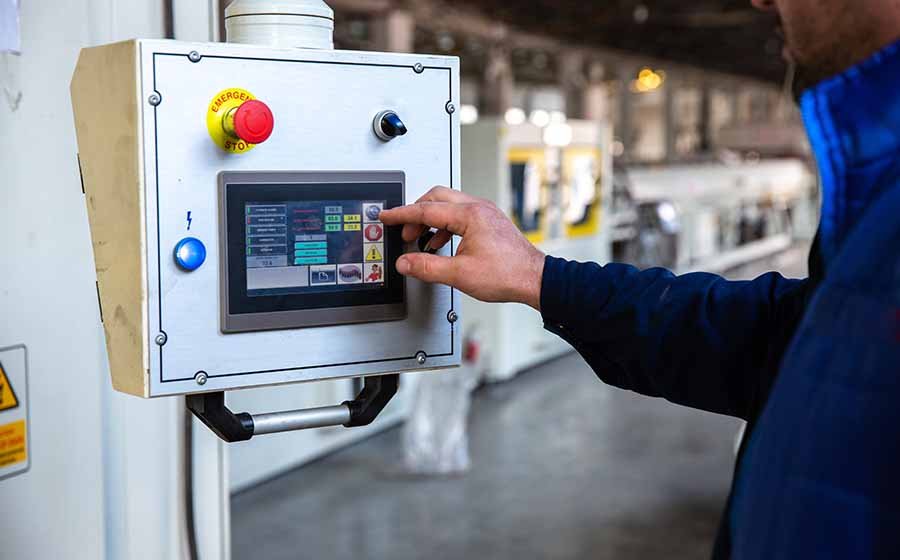
- User-friendly dashboards: Providing operators and maintenance teams with clear, real-time information.
- Automated alerts: Setting up notifications for critical events or threshold breaches.
Challenges and Best Practices for Valve Monitoring Implementation
While the benefits are clear, implementing a robust valve monitoring strategy does come with challenges. Common obstacles include legacy equipment compatibility, initial investment costs, and ensuring staff are trained to interpret and act on monitoring data.
Best practices for successful deployment include:
- Conducting a thorough needs assessment: Identify which valves are most critical and prioritize them for monitoring.
- Choosing scalable solutions: Opt for technologies that can grow with your plant’s needs.
- Training personnel: Ensure operators and maintenance staff are familiar with new systems and understand how to respond to alerts.
- Regularly reviewing data: Use analytics to refine maintenance schedules and improve overall process efficiency.
For a broader perspective on available options, valve monitoring industrial solutions provide insights into scalable and adaptable technologies for modern plants.
Future Trends in Valve Monitoring for Manufacturing
The landscape of valve monitoring in manufacturing plants continues to evolve. Key trends shaping the future include:
- Artificial intelligence and machine learning: AI-driven analytics will further enhance predictive maintenance and anomaly detection.
- Edge computing: Processing data closer to the source reduces latency and improves real-time decision-making.
- Greater connectivity: Integration with cloud platforms and mobile devices will make monitoring more accessible and actionable.
- Sustainability focus: Monitoring will play a critical role in reducing energy use and minimizing environmental impact.
As these innovations mature, manufacturers will be better equipped to optimize their operations, reduce costs, and maintain a competitive edge.
Frequently Asked Questions
What are the main benefits of using valve monitoring in manufacturing environments?
Key advantages include improved operational reliability, reduced maintenance costs, enhanced safety, and better compliance with regulatory standards. Monitoring also supports predictive maintenance, which minimizes unplanned downtime and extends equipment lifespan.
How does wireless valve monitoring differ from traditional wired systems?
Wireless systems offer greater flexibility and scalability, making them ideal for large or hard-to-reach areas. They enable real-time data transmission without the need for extensive cabling, reducing installation time and costs.
Can valve monitoring solutions be integrated with existing plant automation systems?
Yes, most modern monitoring platforms are designed for seamless integration with SCADA, DCS, and ERP systems. This allows for centralized data management and coordinated response to process anomalies, improving overall plant efficiency.