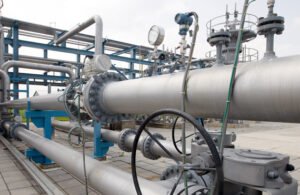
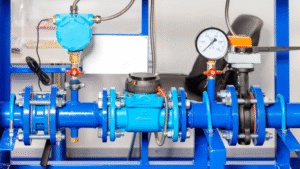
Edge computing valve monitoring is transforming how industries manage and maintain their critical flow control assets. By leveraging distributed intelligence at the device or field level, organizations can now access real-time operational data, detect anomalies instantly, and make informed decisions without waiting for information to travel to distant data centers. This approach is particularly valuable in sectors like oil and gas, water treatment, and manufacturing, where even minor valve failures can disrupt operations or compromise safety.
The shift toward decentralized data processing is not just about speed; it’s about reliability and actionable insights. With sensors and analytics embedded directly at the valve or nearby edge devices, field teams gain immediate visibility into performance, wear, and potential issues. This enables proactive maintenance, reduces downtime, and extends equipment life. For those seeking to enhance their asset management strategies, integrating edge-based monitoring is rapidly becoming a best practice.
For a deeper dive into instrumentation solutions that support this technology, explore valve monitoring instrumentation tools that enable precision control and seamless integration with modern edge architectures.
Understanding Edge-Based Valve Monitoring Systems
Traditional valve monitoring often relies on centralized systems that collect data from remote sensors and transmit it to a central server for analysis. While effective, this method introduces latency and can be vulnerable to network disruptions. In contrast, edge computing valve monitoring places processing power close to the source—right at the valve or within the local network. This means data is analyzed instantly, and critical alerts can be generated without delay.
Key components of these systems include:
- Smart sensors that measure parameters like pressure, temperature, and valve position
- Edge devices or gateways with built-in analytics and storage
- Secure communication protocols for reliable data transfer
- Integration with cloud platforms for long-term analytics and reporting
Benefits of Real-Time Insights from Edge Analytics
The primary advantage of adopting edge-based monitoring for valves is the ability to access real-time field insights. This capability brings several operational and business benefits:
- Immediate anomaly detection: Edge analytics can identify leaks, blockages, or abnormal movements as soon as they occur, allowing for rapid intervention.
- Reduced network dependency: Since data is processed locally, operations are less affected by network outages or latency.
- Lower data transmission costs: Only relevant or summarized data is sent to the cloud, minimizing bandwidth usage.
- Enhanced safety and compliance: Automated alerts and local shutoff capabilities help prevent accidents and ensure regulatory standards are met.
- Optimized maintenance: Predictive analytics at the edge enable condition-based maintenance, reducing unnecessary inspections and extending asset life.
For organizations managing complex facilities, these advantages translate into higher uptime, lower operational costs, and improved decision-making.
Key Use Cases Across Industries
Edge computing valve monitoring is being adopted in a variety of sectors, each with unique requirements and challenges:
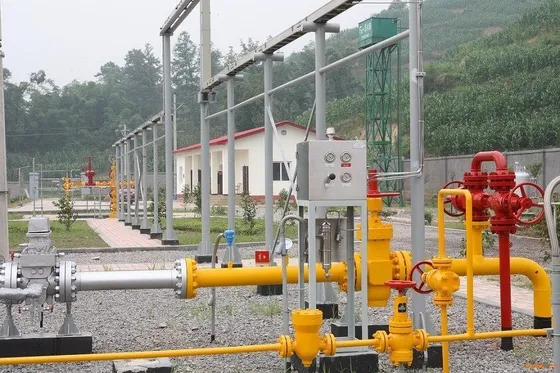
- Oil and Gas: In upstream and midstream operations, edge-enabled valve monitoring helps prevent spills, optimize flow rates, and ensure safe shutdowns in hazardous environments.
- Water and Wastewater: Utilities use edge analytics to monitor valve health, detect leaks, and maintain water quality standards across distributed networks.
- Manufacturing: Process industries rely on real-time valve data to maintain product quality, reduce energy consumption, and avoid costly downtime.
- Power Generation: Power plants leverage edge monitoring to ensure critical valves operate within safe parameters, supporting both reliability and regulatory compliance.
In each of these environments, the ability to act on local data without waiting for centralized analysis is a game changer.
Integrating Edge Monitoring with Broader Digital Strategies
While edge-based monitoring delivers immediate value at the device level, its true potential is realized when integrated with broader digital transformation initiatives. By connecting edge devices to cloud platforms, organizations can aggregate data from thousands of valves, perform advanced analytics, and inform long-term asset management strategies.
For example, combining edge insights with advanced valve analytics systems enables predictive maintenance at scale, while linking with enterprise resource planning (ERP) systems streamlines inventory and scheduling. The result is a unified approach to operational excellence, where local intelligence supports global optimization.
To see how integration with plant-wide systems can further enhance efficiency, review the benefits of valve monitoring integration with ERP for smarter planning and resource allocation.
Challenges and Considerations for Deployment
Implementing edge computing valve monitoring is not without its challenges. Organizations must address several factors to ensure a successful rollout:
- Device compatibility: Existing valves may require retrofitting or replacement to support smart sensors and edge devices.
- Cybersecurity: Distributed intelligence increases the number of potential attack surfaces, making robust security protocols essential.
- Data management: Deciding which data to process locally and which to send to the cloud requires careful planning.
- Scalability: Solutions should be designed to accommodate future expansion and integration with new technologies.
- Training and change management: Field teams need to understand how to operate and maintain new systems effectively.
Addressing these considerations early in the project lifecycle helps maximize the return on investment and ensures long-term success.
Industry Perspectives and Future Trends
Industry leaders recognize the value of edge intelligence for valve management. According to insights from Emerson Automation Experts, digital transformation in valve monitoring is accelerating, with edge analytics playing a crucial role in delivering actionable data and reducing manual intervention.
Looking ahead, the convergence of edge computing with artificial intelligence, machine learning, and industrial IoT will further enhance predictive capabilities. As more devices become interconnected, expect to see even greater automation, improved safety, and more efficient operations across the industrial landscape.
For organizations seeking to future-proof their infrastructure, exploring valve monitoring smart infrastructure solutions is a strategic move toward fully connected, intelligent operations.
Frequently Asked Questions
What is edge computing in the context of valve monitoring?
Edge computing in valve monitoring refers to processing and analyzing sensor data directly at or near the valve, rather than sending all information to a remote server. This enables instant detection of issues and rapid decision-making in the field.
How does edge-based valve monitoring improve operational efficiency?
By providing real-time insights and automated alerts, edge-based monitoring reduces downtime, enables predictive maintenance, and minimizes manual inspections. This leads to more efficient operations and lower maintenance costs.
What industries benefit most from edge-enabled valve monitoring?
Industries such as oil and gas, water utilities, manufacturing, and power generation gain significant advantages from edge-enabled monitoring due to the critical nature of their flow control assets and the need for rapid response to operational changes.
Can edge monitoring systems be integrated with existing infrastructure?
Yes, many edge monitoring solutions are designed to retrofit onto existing valves and integrate with current control systems. However, compatibility and scalability should be evaluated during the planning phase.
Conclusion
Edge computing valve monitoring is reshaping how industries manage their most vital assets. By moving intelligence closer to the field, organizations gain real-time visibility, reduce risks, and unlock new levels of operational efficiency. As technology continues to evolve, those who embrace edge-based solutions will be well-positioned to lead in safety, reliability, and performance.
To discover more about comprehensive solutions for modern facilities, explore valve monitoring industrial solutions that support the next generation of industrial automation.