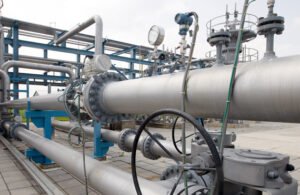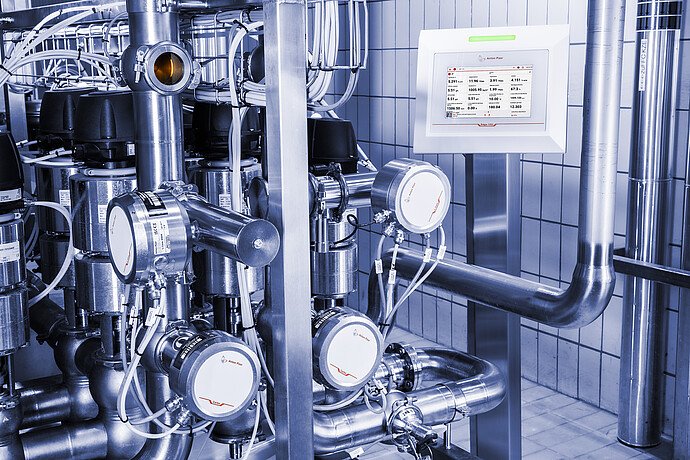

Industrial plants are rapidly evolving with the integration of digital technologies. Among these advancements, IoT valve monitoring solutions have emerged as a cornerstone for smarter, safer, and more efficient operations. By leveraging real-time data and remote connectivity, these systems transform how facilities oversee critical valve infrastructure, minimize downtime, and ensure compliance with safety standards.
For organizations seeking to modernize their operations, understanding the benefits and practicalities of connected valve monitoring is essential. These systems not only provide continuous oversight but also enable predictive maintenance, helping teams address issues before they escalate. To further explore instrumentation options, consider reviewing valve monitoring instrumentation tools for precision control and enhanced plant reliability.
How Connected Valve Monitoring Works in Industrial Settings
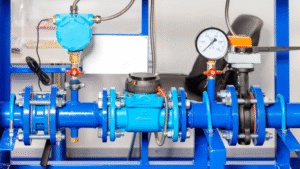
At the core of modern plant automation, IoT valve monitoring solutions use sensors and networked devices to capture real-time data from valves throughout a facility. These sensors measure parameters such as position, pressure, temperature, and flow rate. The collected data is transmitted over secure networks to centralized platforms, where it can be analyzed and visualized by plant operators.
This approach offers several key advantages:
- Remote visibility into valve status and performance, reducing the need for manual inspections.
- Automated alerts for abnormal conditions, such as leaks, blockages, or unauthorized adjustments.
- Historical data analysis to identify trends, optimize maintenance schedules, and improve process efficiency.
By integrating these monitoring systems with plant control and management software, operators can make informed decisions quickly, reducing the risk of costly failures or safety incidents.

Key Benefits of IoT-Enabled Valve Monitoring
Implementing IoT valve monitoring solutions brings a range of tangible benefits to industrial plants:
- Reduced Downtime: Early detection of valve wear, leaks, or malfunctions allows for proactive repairs, minimizing unplanned outages.
- Enhanced Safety: Automated monitoring helps prevent hazardous incidents by quickly identifying abnormal conditions and enabling rapid response.
- Lower Maintenance Costs: Predictive analytics enable maintenance teams to focus on valves that truly need attention, reducing unnecessary servicing.
- Regulatory Compliance: Continuous data logging supports documentation and reporting for industry standards and audits.
- Energy Efficiency: Optimized valve performance can reduce energy consumption in processes such as steam distribution, water treatment, and chemical manufacturing.
These advantages make connected monitoring a strategic investment for facilities aiming to boost productivity and operational resilience. For those interested in broader infrastructure applications, the article on valve monitoring for smart industrial infrastructure provides further insights.
Core Components of Industrial Valve Monitoring Systems
A robust IoT valve monitoring setup typically includes several essential components:
- Sensors: Devices that measure valve position, pressure, temperature, vibration, and flow.
- Edge Devices: Gateways or controllers that aggregate sensor data and perform initial processing.
- Connectivity: Wired or wireless networks (such as Ethernet, Wi-Fi, or LPWAN) to transmit data securely.
- Cloud or On-Premises Platforms: Centralized software for data visualization, analytics, and alert management.
- Integration Interfaces: APIs or middleware that connect monitoring data with plant control systems, ERP, or maintenance management tools.
Selecting the right combination of these elements depends on the plant’s size, process complexity, and existing IT infrastructure. For organizations looking to connect monitoring data with enterprise resource planning, the guide on valve monitoring integration with ERP explores best practices for seamless data flow.
Data-Driven Maintenance and Analytics
One of the most valuable aspects of digital valve monitoring is the ability to use data for predictive and condition-based maintenance. By continuously tracking valve health indicators, facilities can move away from fixed-interval servicing and instead focus on actual equipment needs. This not only saves time and resources but also extends the lifespan of critical assets.
Advanced analytics platforms can detect subtle changes in valve operation, such as increased vibration or slower response times, which may indicate emerging issues. By acting on these insights, maintenance teams can prevent failures and optimize spare parts inventory. For a deeper dive into leveraging analytics, see the article on advanced valve analytics systems for data-driven maintenance strategies.
For further technical perspectives, the expert article on valve condition monitoring provides a comprehensive overview of condition monitoring principles and their impact on industrial reliability.
Implementation Considerations for Modern Plants
Deploying an IoT-based valve monitoring system involves several important steps:
- Assessment: Evaluate the plant’s existing valve infrastructure and identify critical control points for monitoring.
- Technology Selection: Choose sensors and connectivity options compatible with plant conditions (e.g., hazardous areas, temperature extremes).
- Integration Planning: Ensure compatibility with existing automation, SCADA, or ERP systems to maximize value.
- Data Security: Implement robust cybersecurity measures to protect sensitive operational data.
- Training: Equip staff with the knowledge to interpret data and respond to alerts effectively.
A phased rollout, starting with high-priority assets, allows teams to validate system performance and refine processes before scaling up. For a broader look at deployment strategies, the resource on industrial valve monitoring solutions for modern plants offers practical guidance.
Challenges and Future Trends
While the advantages of connected valve monitoring are clear, some challenges remain. These include integrating legacy equipment, managing large volumes of data, and ensuring system interoperability. However, ongoing advancements in sensor technology, edge computing, and artificial intelligence are making these solutions more accessible and powerful.
Looking ahead, expect to see greater use of machine learning for anomaly detection, increased adoption of wireless sensors for hard-to-reach locations, and tighter integration with plant-wide digital twins. These trends will further enhance the reliability and efficiency of industrial operations.
FAQ
What types of valves can be monitored with IoT solutions?
Most industrial valve types—including gate, globe, ball, butterfly, and control valves—can be equipped with sensors for position, pressure, and flow monitoring. The choice of sensors depends on the valve’s function and the process requirements.
How does IoT valve monitoring improve plant safety?
By providing real-time alerts for abnormal valve conditions, these systems help operators respond quickly to potential hazards such as leaks, pressure surges, or unauthorized adjustments. This proactive approach reduces the risk of accidents and environmental incidents.
Is it possible to integrate valve monitoring data with existing plant management systems?
Yes, most modern solutions offer integration interfaces (such as APIs or middleware) that allow data to flow seamlessly into SCADA, DCS, ERP, or maintenance management platforms. This enables unified oversight and more informed decision-making across the facility.