
Industrial operations rely on valves to control the flow of liquids, gases, and other materials. As facilities grow more complex, the need for actionable data on valve health, efficiency, and reliability becomes critical. Industrial valve analytics platforms have emerged as essential tools for monitoring, optimizing, and maintaining these crucial assets. By leveraging advanced sensors, cloud connectivity, and machine learning, these platforms provide real-time insights that empower engineers and plant managers to make informed decisions, reduce downtime, and extend equipment life.
Modern analytics solutions for valves go beyond simple monitoring. They aggregate data from multiple sources, detect anomalies, and generate predictive maintenance alerts. This shift from reactive to proactive management can significantly lower operational costs and improve safety. For organizations seeking to modernize their infrastructure, understanding the capabilities and benefits of these platforms is a strategic priority.
To further enhance precision and control, many facilities are integrating valve monitoring instrumentation tools with their analytics platforms. This combination enables a holistic view of valve performance and supports smarter, data-driven maintenance strategies.
Key Features of Modern Valve Analytics Solutions
Today’s industrial valve analytics platforms offer a suite of features designed to address the unique challenges of industrial environments. Some of the most impactful capabilities include:
- Real-time monitoring: Continuous tracking of valve position, pressure, temperature, and flow rates.
- Predictive maintenance: Algorithms analyze trends to forecast potential failures before they occur.
- Remote diagnostics: Engineers can access valve data from anywhere, reducing the need for on-site inspections.
- Automated reporting: Customizable dashboards and alerts keep teams informed about performance and maintenance needs.
- Integration with control systems: Seamless connectivity with SCADA, DCS, and ERP platforms for unified operations.
These features enable facilities to move from manual, time-consuming checks to automated, data-driven processes. The result is improved reliability, reduced unplanned shutdowns, and better resource allocation.
How Analytics Platforms Drive Operational Efficiency
Implementing advanced analytics for valve management delivers tangible benefits across the plant floor. By harnessing the power of data, organizations can:
- Reduce downtime: Early detection of wear, leaks, or blockages allows for timely intervention, minimizing costly outages.
- Optimize maintenance schedules: Maintenance is performed based on actual valve condition rather than fixed intervals, saving time and resources.
- Enhance safety: Automated alerts help prevent hazardous situations by flagging abnormal valve behavior.
- Improve compliance: Detailed records and reports support regulatory requirements and audits.
- Extend asset life: Proactive care reduces stress on valves, leading to longer service life and lower replacement costs.
For example, integrating advanced valve analytics systems can help facilities identify inefficiencies and implement corrective actions before minor issues escalate into major problems.
Data Integration and Connectivity in Valve Analytics
A robust analytics platform must connect seamlessly with existing plant infrastructure. This includes compatibility with various sensors, controllers, and enterprise systems. Many solutions support open protocols and APIs, enabling smooth data exchange and interoperability.
Connecting valve analytics with broader business systems, such as ERP, unlocks new levels of operational intelligence. For instance, valve monitoring integration with ERP allows maintenance schedules, inventory management, and procurement to be aligned with real-time equipment status. This holistic approach streamlines workflows and supports smarter planning across departments.
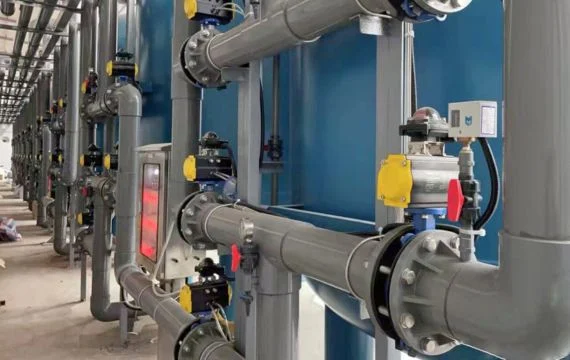
Applications Across Industrial Sectors
The adoption of industrial valve analytics platforms spans a wide range of industries, each with its own set of requirements and challenges. Common sectors benefiting from these technologies include:
- Oil and gas: Ensuring safe, efficient flow control in pipelines and refineries.
- Water treatment: Monitoring valves for leaks, blockages, and regulatory compliance.
- Chemical processing: Managing corrosive or hazardous materials with precision.
- Power generation: Optimizing steam and cooling systems for reliability and efficiency.
- Pharmaceuticals: Maintaining sterile conditions and process integrity.
Each application places unique demands on analytics platforms, from the need for explosion-proof hardware to advanced cybersecurity features. Selecting a solution tailored to the specific environment is crucial for maximizing value.
For a deeper look at how these solutions are transforming plant operations, explore industrial valve monitoring solutions for modern plants.
Choosing the Right Analytics Platform for Your Facility
Selecting an analytics solution for valve management involves evaluating several key factors:
- Scalability: Can the platform handle the number and variety of valves in your facility?
- Ease of integration: Does it support your existing sensors, controllers, and business systems?
- Security: Are robust cybersecurity measures in place to protect sensitive operational data?
- User interface: Is the dashboard intuitive and customizable for different roles?
- Support and training: Does the vendor offer comprehensive onboarding and technical assistance?
It’s also important to consider the platform’s ability to adapt to future needs, such as new regulations or expansion into additional sites. Engaging stakeholders from maintenance, IT, and operations early in the selection process helps ensure a successful deployment.
To see how leading solutions are being applied in real-world environments, review case studies on valve monitoring and control in process industries.
Future Trends in Valve Analytics and Smart Infrastructure
As digital transformation accelerates, the capabilities of analytics platforms continue to expand. Emerging trends include:
- AI-driven insights: Machine learning models that predict failures and recommend optimal settings.
- Edge computing: Processing data closer to the source for faster response times and reduced bandwidth usage.
- Cloud-based collaboration: Secure, remote access to analytics for distributed teams and service providers.
- Integration with smart infrastructure: Linking valve analytics with broader IoT ecosystems for holistic asset management.
Facilities embracing these trends are better positioned to achieve operational excellence and adapt to changing market demands. For more on the intersection of analytics and smart infrastructure, visit valve monitoring for smart industrial infrastructure.
Frequently Asked Questions
What types of data do valve analytics platforms collect?
These platforms gather a wide range of data, including valve position, flow rates, pressure, temperature, vibration, and cycle counts. Advanced solutions may also capture diagnostic codes, maintenance history, and environmental conditions to provide a comprehensive view of valve health.
How do analytics platforms help reduce maintenance costs?
By continuously monitoring valve performance and using predictive algorithms, analytics platforms identify issues before they lead to failures. This allows maintenance teams to address problems proactively, reducing emergency repairs, minimizing downtime, and optimizing spare parts inventory.
Can analytics platforms be integrated with existing plant systems?
Yes, most modern solutions are designed for seamless integration with SCADA, DCS, ERP, and other industrial systems. Open protocols and APIs enable data sharing and unified control, making it easier to incorporate analytics into existing workflows.