
In modern commercial and industrial facilities, the demand for improved energy efficiency and operational reliability is higher than ever. One of the most effective strategies for achieving these goals is the integration of building automation valve monitoring systems. These solutions provide real-time visibility into valve performance, enabling facility managers to optimize energy use, reduce waste, and prevent costly equipment failures.
As buildings become more complex and sustainability standards rise, the ability to monitor and control valves remotely is transforming how HVAC, water, and process systems are managed. By leveraging advanced sensors and analytics, organizations can ensure their infrastructure operates at peak efficiency while minimizing manual intervention. For those seeking to enhance their facility’s performance, understanding the fundamentals and benefits of automated valve monitoring is essential.
For a deeper dive into the tools that make this possible, explore valve monitoring instrumentation tools, which provide the foundation for accurate data collection and control in automated environments.
How Automated Valve Monitoring Enhances Energy Efficiency
Automated valve monitoring is a cornerstone of intelligent building management. By continuously tracking the status and position of valves, these systems help identify inefficiencies and anomalies that may otherwise go unnoticed. This proactive approach allows for quick adjustments, reducing unnecessary energy consumption and supporting sustainability initiatives.
Key ways in which automated valve oversight contributes to energy savings include:
- Early detection of leaks or blockages, preventing energy loss and water waste.
- Optimized flow control for heating, cooling, and water distribution, ensuring systems operate only when needed.
- Remote diagnostics and troubleshooting, minimizing downtime and manual inspections.
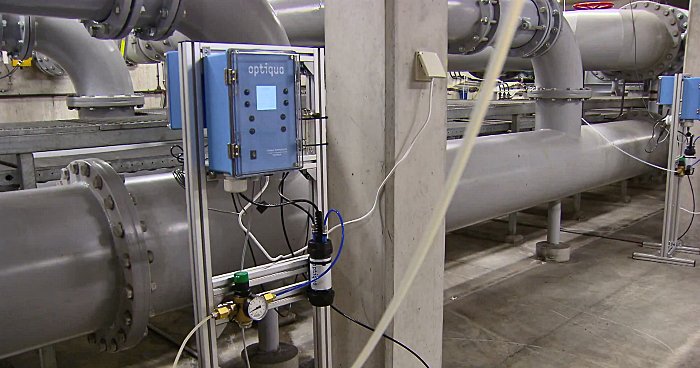
By integrating these monitoring solutions, facility managers can achieve measurable reductions in utility costs and carbon emissions, supporting both financial and environmental objectives.
Key Components of a Valve Monitoring System
A robust building automation valve monitoring setup typically consists of several core elements that work together to deliver actionable insights:
- Sensors: Devices that measure valve position, temperature, pressure, and flow rates.
- Controllers: Hardware or software platforms that process sensor data and execute control commands.
- Communication networks: Wired or wireless systems that transmit data between valves, controllers, and central management platforms.
- Analytics platforms: Software tools that analyze trends, detect anomalies, and generate reports for decision-making.
These components form the backbone of any effective monitoring solution, ensuring that data is accurate, timely, and actionable. For those interested in leveraging advanced analytics, valve performance data analytics can provide deeper operational insights and support predictive maintenance strategies.
Benefits of Real-Time Valve Data in Building Automation
Access to real-time valve data offers several compelling advantages for facility operators and building owners:
- Improved system reliability: Continuous monitoring helps detect issues before they escalate, reducing unplanned outages.
- Enhanced occupant comfort: Precise control over heating, cooling, and water systems ensures consistent indoor environments.
- Lower maintenance costs: Early identification of wear or malfunction enables targeted repairs, extending equipment lifespan.
- Regulatory compliance: Automated record-keeping simplifies reporting and helps meet energy efficiency standards.
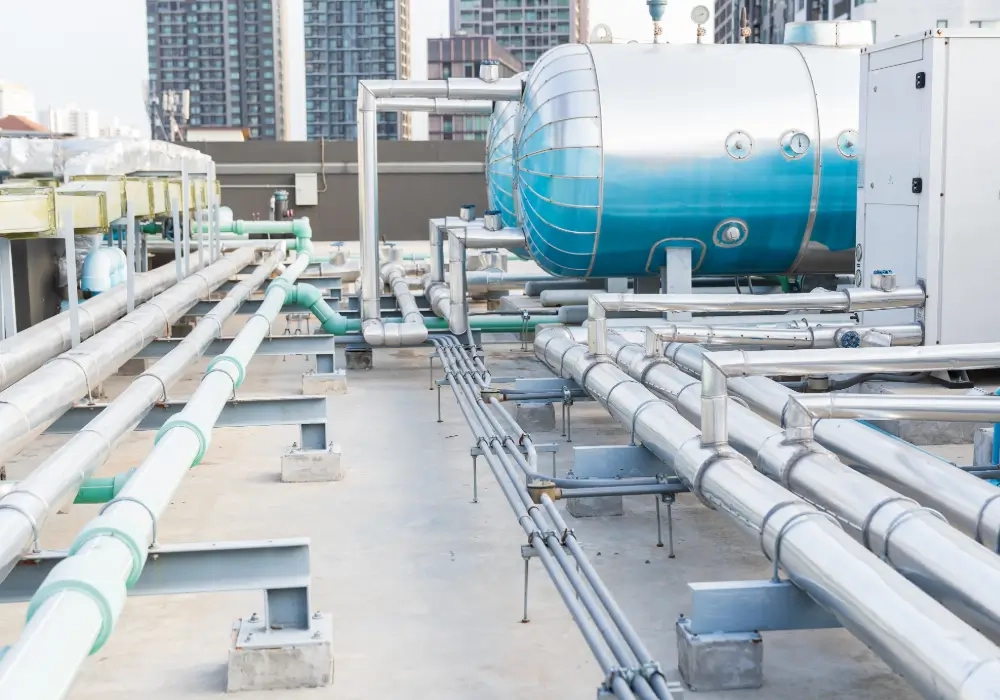
With these benefits, it’s clear why more organizations are prioritizing the adoption of automated valve monitoring as part of their energy management strategies.
Integration with Other Building Automation Technologies
Valve monitoring does not operate in isolation. When integrated with other building automation systems—such as lighting, HVAC, and security—facilities can achieve a higher level of operational synergy. For example, data from valve sensors can inform HVAC controls, adjusting heating or cooling output based on real-time demand and occupancy.
Advanced solutions also enable remote access and control, allowing facility teams to respond to alerts or adjust settings from anywhere. This integration streamlines workflows and enhances the overall efficiency of building operations.
For remote or hard-to-reach sites, low power valve monitoring devices offer a practical solution, enabling continuous oversight without the need for frequent maintenance or battery changes.
Predictive Maintenance and Anomaly Detection
One of the most valuable aspects of modern valve monitoring is the ability to predict failures before they occur. By analyzing historical and real-time data, advanced systems can identify patterns that indicate impending issues, such as sticking valves or declining actuator performance.
This predictive approach minimizes unplanned downtime and supports a proactive maintenance culture. For those interested in leveraging machine learning for this purpose, valve anomaly prediction models are becoming increasingly popular in building automation.
Additionally, visualization tools such as valve condition visualization tools help operators quickly assess system health and prioritize maintenance tasks.
Choosing the Right Valve Monitoring Solution
Selecting the best monitoring system for your facility depends on several factors:
- Type and number of valves: Consider the variety and quantity of valves in your building systems.
- Integration requirements: Ensure compatibility with existing automation platforms and protocols.
- Scalability: Choose solutions that can grow with your facility’s needs.
- Data analytics capabilities: Look for platforms that offer robust reporting and predictive maintenance features.
- Ease of installation and maintenance: Opt for systems that minimize disruption and ongoing upkeep.
For more information on diagnostic and monitoring technologies, review this comprehensive overview of valve diagnostics and monitoring systems.
Best Practices for Implementing Valve Monitoring in Buildings
To maximize the value of automated valve oversight, consider the following best practices:
- Conduct a thorough site assessment to identify critical valves and prioritize monitoring efforts.
- Establish clear objectives for energy savings, reliability, and compliance.
- Train facility staff on system operation and data interpretation.
- Regularly review analytics to identify trends and opportunities for further optimization.
- Maintain open communication between facility management, IT, and maintenance teams to ensure smooth integration and operation.
Following these guidelines will help ensure a successful deployment and long-term benefits from your monitoring investment.
Frequently Asked Questions
What types of valves can be monitored in building automation systems?
Most modern solutions support a wide range of valves, including ball, butterfly, globe, and control valves used in HVAC, water, and process systems. The choice depends on the specific application and the sensors available.
How does valve monitoring contribute to energy efficiency?
By providing real-time data on valve position and performance, monitoring systems help detect leaks, blockages, and inefficiencies. This enables timely adjustments and maintenance, reducing unnecessary energy use and supporting sustainability goals.
Is it difficult to retrofit existing buildings with automated valve monitoring?
Many solutions are designed for easy integration with existing infrastructure. Wireless sensors and modular platforms minimize installation complexity, making it feasible to upgrade older buildings without major renovations.