
Modern industrial operations rely heavily on the ability to monitor and control critical assets in real time. Among these assets, valves play a pivotal role in regulating flow, pressure, and safety across water, oil and gas, chemical, and manufacturing sectors. As facilities expand and processes become more complex, the demand for scada valve monitoring integration has grown, enabling centralised oversight and data-driven decision-making.
Integrating valve monitoring into Supervisory Control and Data Acquisition (SCADA) systems transforms how operators manage distributed assets. This approach not only enhances operational efficiency but also supports predictive maintenance, reduces downtime, and improves compliance with safety standards. For organisations seeking to optimise their valve assets, understanding the principles and benefits of this integration is essential.
For those interested in the technical side of valve monitoring, exploring valve monitoring instrumentation tools can provide deeper insight into the sensors and devices that make seamless integration possible.
The Role of SCADA in Valve Asset Management
SCADA platforms serve as the nerve center for industrial automation, offering a unified interface to monitor, control, and analyse field devices. When it comes to valves, integrating their status and performance data into SCADA brings several advantages:
- Centralised visibility of valve positions, flow rates, and health metrics
- Real-time alarms and notifications for abnormal conditions
- Historical data logging for compliance and analysis
- Remote operation and diagnostics, reducing the need for manual inspections
By consolidating valve data within SCADA, operators can make faster, more informed decisions, especially during emergencies or process deviations.
Key Components of Valve Monitoring Integration
Successful implementation of scada valve monitoring integration depends on several core components working together:
- Field Devices and Sensors: These include positioners, limit switches, pressure and flow sensors, and smart valve actuators. They capture real-time data on valve status and performance.
- Remote Terminal Units (RTUs) and Programmable Logic Controllers (PLCs): These devices aggregate sensor data, execute local control logic, and communicate with the SCADA host.
- Communication Networks: Wired or wireless protocols (such as Modbus, Profibus, or Ethernet/IP) transmit data securely and reliably between field devices and the central SCADA system.
- SCADA Software: The software platform visualises valve data, manages alarms, and enables remote control through intuitive dashboards.
Each layer must be robust and interoperable to ensure seamless data flow and actionable insights.
Benefits of Centralised Valve Monitoring
Integrating valve monitoring into a centralised SCADA environment delivers a range of operational and business benefits:
- Improved Reliability: Early detection of anomalies, such as leaks or actuator failures, minimises unplanned downtime.
- Enhanced Safety: Automated alarms and interlocks reduce the risk of hazardous incidents by enabling rapid response.
- Optimised Maintenance: Access to historical and real-time data supports condition-based maintenance, extending asset life and reducing costs.
- Regulatory Compliance: Detailed records of valve operations and maintenance activities help meet industry standards and audit requirements.
- Resource Efficiency: Centralised control reduces the need for manual checks, freeing up personnel for higher-value tasks.
These advantages make SCADA-based valve monitoring a strategic investment for facilities aiming to boost productivity and safety.
Integration Challenges and Solutions
While the benefits are clear, integrating valves into SCADA systems can present technical and organisational challenges:
- Legacy Equipment: Older valves may lack digital interfaces, requiring retrofitting with modern sensors or smart actuators.
- Network Security: Protecting critical infrastructure from cyber threats is essential. Secure protocols and network segmentation are recommended.
- Data Overload: With hundreds or thousands of valves, managing and interpreting large data volumes requires effective filtering and analytics.
- Interoperability: Ensuring compatibility between devices from different vendors can be complex, but adopting open standards helps streamline integration.
To address these issues, many organisations adopt phased integration, starting with high-priority assets and expanding as systems and budgets allow. Leveraging valve performance data analytics can also help extract actionable insights from the growing volume of valve data.
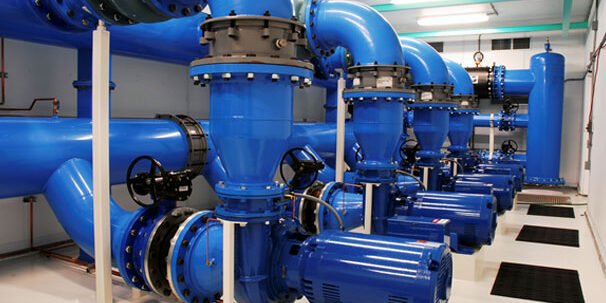
Best Practices for SCADA Valve Monitoring Integration
To maximise the value of centralised valve monitoring, consider the following best practices:
- Standardise Data Formats: Use consistent naming conventions and data structures for easier integration and reporting.
- Prioritise Critical Valves: Begin with assets that have the greatest impact on safety or production, then expand coverage.
- Invest in Training: Ensure operators and maintenance teams understand how to interpret SCADA data and respond to alarms.
- Plan for Scalability: Choose hardware and software that can accommodate future expansion and new technologies.
- Leverage Predictive Analytics: Integrate with valve anomaly prediction models to anticipate failures before they occur.
Following these guidelines helps ensure a smooth integration process and long-term return on investment.
Applications Across Industries
Centralised valve monitoring via SCADA is valuable across a wide range of industries:
- Water and Wastewater: Enables remote monitoring of valves in distribution networks, improving leak detection and water quality management.
- Oil and Gas: Supports safe operation of pipelines, refineries, and storage facilities by providing real-time valve status and control.
- Chemical Processing: Enhances process safety and product quality by automating valve sequencing and monitoring.
- Power Generation: Optimises steam and cooling systems through precise valve control and condition monitoring.
Each sector benefits from reduced manual intervention, faster response times, and improved asset integrity.
Emerging Trends in Valve Monitoring Technology
The landscape of scada valve monitoring integration continues to evolve with advances in digitalisation and Industrial Internet of Things (IIoT) technologies. Some notable trends include:
- Wireless Sensors: Simplify installation and reduce cabling costs, making it easier to monitor valves in remote or hazardous locations.
- Cloud-Based SCADA: Offers scalable, remote access to valve data, supporting multi-site operations and advanced analytics.
- Low Power Devices: Innovations in low power valve monitoring devices extend battery life and enable long-term deployments in the field.
- Visualisation Tools: Enhanced valve condition visualization tools provide intuitive dashboards for plant operators, improving situational awareness.
These developments are making centralised valve monitoring more accessible and effective for organisations of all sizes.
Expert Insights and Further Reading
Industry experts recommend adopting a holistic approach to valve monitoring, combining real-time data acquisition with smart analytics and proactive maintenance strategies. For additional perspectives, see this guide on improving valve performance with smart monitoring, which explores practical steps and case studies.
As technology advances, integrating valve monitoring with SCADA will remain a cornerstone of safe, efficient, and sustainable industrial operations.
Frequently Asked Questions
What is the main advantage of integrating valve monitoring into SCADA systems?
The primary benefit is centralised, real-time visibility and control over valve assets, which improves operational efficiency, safety, and maintenance planning. This integration allows operators to respond quickly to abnormal conditions and optimise asset performance.
How can legacy valves be included in a modern SCADA monitoring setup?
Legacy valves can be retrofitted with digital sensors or smart actuators that provide position, pressure, or flow data. These upgrades enable older equipment to communicate with SCADA systems, ensuring comprehensive monitoring without the need for full replacement.
What security measures are recommended for SCADA-based valve monitoring?
It is crucial to implement secure communication protocols, network segmentation, and regular software updates. Limiting access to authorised personnel and monitoring for unusual activity also help protect critical infrastructure from cyber threats.