
Efficient management of industrial valves is critical for ensuring safety, productivity, and regulatory compliance—especially at remote sites where manual inspection is costly and time-consuming. Wireless valve monitoring systems have emerged as a transformative solution, enabling real-time oversight and control without the need for extensive cabling or frequent on-site visits. These systems are reshaping how industries monitor, maintain, and optimize their valve assets in challenging and isolated environments.
Adopting advanced monitoring technology not only improves operational visibility but also supports predictive maintenance and rapid response to anomalies. For organizations seeking to leverage data-driven insights, exploring valve performance data analytics can further enhance decision-making and plant reliability.
Understanding Wireless Valve Monitoring Technology
Modern wireless valve monitoring systems use a combination of sensors, transmitters, and gateways to collect and transmit data from valves located across industrial sites. These systems are designed to operate in harsh environments, often spanning large distances where traditional wired solutions are impractical or prohibitively expensive.
Key components typically include:
- Valve position sensors: Detect whether a valve is open, closed, or in an intermediate state.
- Wireless transmitters: Send sensor data over radio frequencies or cellular networks to a central hub.
- Gateways and cloud platforms: Aggregate data and provide remote access for operators and maintenance teams.
By eliminating the need for physical wiring, these solutions reduce installation time, minimize site disruption, and offer greater flexibility for future expansions or reconfigurations.
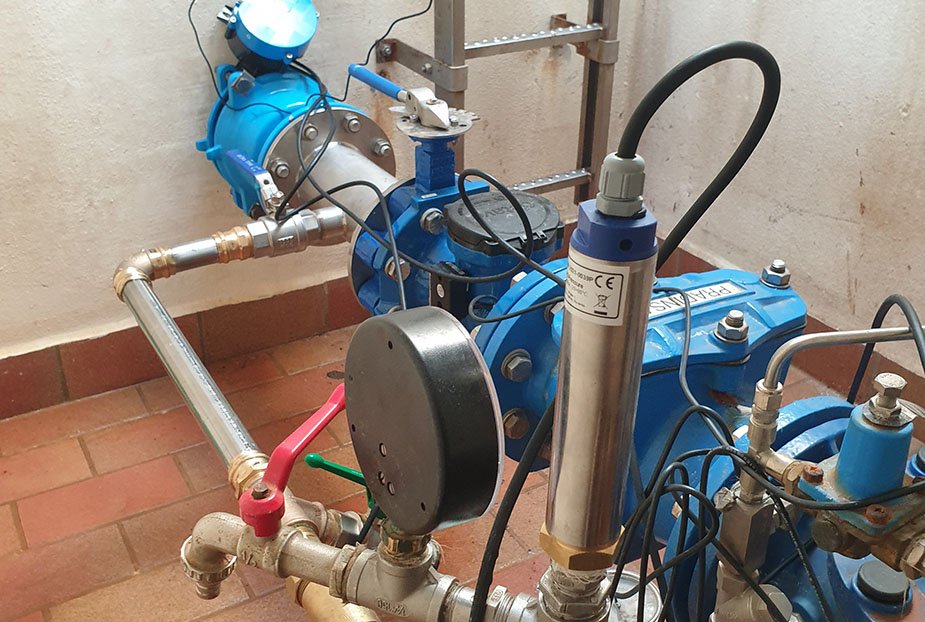
Benefits of Wireless Valve Monitoring at Remote Locations
Deploying wireless valve monitoring systems at remote industrial sites offers a range of operational and financial advantages:
- Reduced site visits: Operators can monitor valve status and performance from a central location, cutting travel time and costs.
- Real-time alerts: Immediate notifications for abnormal conditions (such as unexpected valve movement or leaks) enable faster response and minimize downtime.
- Improved safety: Remote monitoring reduces the need for personnel to access hazardous or hard-to-reach areas, lowering the risk of accidents.
- Scalability: Wireless networks can be easily expanded to cover new assets or changing site layouts without major infrastructure changes.
- Data-driven maintenance: Continuous data collection supports predictive maintenance strategies, helping to prevent failures before they occur.
For organizations interested in proactive asset management, integrating valve anomaly prediction models can further reduce unplanned outages and maintenance costs.
Key Features of Advanced Wireless Valve Monitoring Solutions
When evaluating remote valve monitoring options, several features distinguish advanced systems:
- Long-range communication: Utilization of protocols like LoRaWAN, cellular, or proprietary RF ensures reliable connectivity over vast distances.
- Battery-powered operation: Low-power designs allow sensors and transmitters to function for years without replacement, ideal for isolated sites.
- Robust environmental protection: Enclosures are engineered to withstand dust, moisture, temperature extremes, and vibration.
- Integration with SCADA and cloud platforms: Seamless data flow to existing control systems and remote dashboards for unified oversight.
- Security: Encryption and authentication mechanisms protect sensitive operational data from unauthorized access.
Some solutions also support edge computing, enabling local processing and decision-making to reduce latency and bandwidth usage.
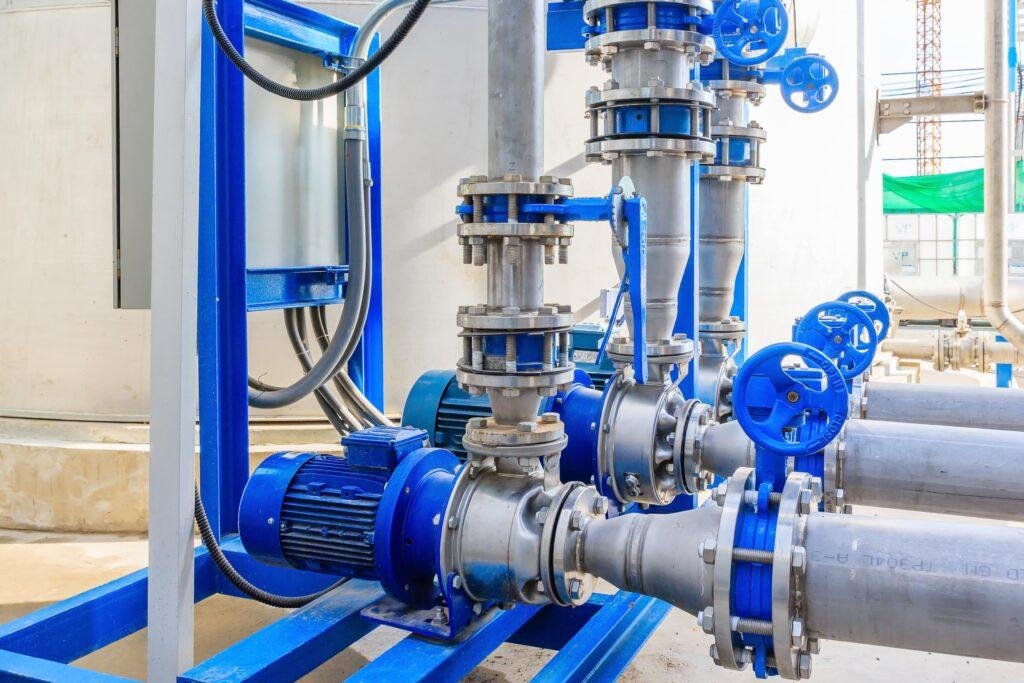
Applications Across Industrial Sectors
Wireless valve monitoring is applicable across a wide range of industries, each with unique challenges and requirements:
- Oil and gas: Pipelines, wellheads, and storage facilities often span remote or hazardous areas where wireless monitoring enhances safety and regulatory compliance.
- Water and wastewater: Distributed pumping stations and treatment plants benefit from centralized oversight and reduced manual inspections.
- Chemical processing: Real-time valve status helps prevent process upsets and supports stringent safety protocols.
- Power generation: Monitoring valves in cooling systems, fuel supply lines, and auxiliary equipment ensures reliable plant operation.
- Mining: Harsh environments and large site footprints make wireless solutions ideal for monitoring slurry, water, and air valves.
For facilities aiming to further automate their operations, adopting smart valve automation systems can deliver additional efficiency and control.
Implementation Considerations for Remote Sites
Successfully deploying wireless valve monitoring at remote locations requires careful planning and consideration of several factors:
- Site survey: Assessing radio coverage, potential interference, and environmental conditions ensures reliable communication.
- Power management: Selecting low-power devices and planning for battery replacement or energy harvesting solutions is crucial for long-term operation.
- Network architecture: Choosing the right wireless protocol (e.g., LoRaWAN, cellular, mesh) based on distance, data rate, and site topology.
- Integration: Ensuring compatibility with existing SCADA, DCS, or cloud-based analytics platforms.
- Cybersecurity: Implementing robust security measures to protect both the network and operational data.
Working with experienced vendors and system integrators can help address these challenges and optimize system performance.
How Wireless Monitoring Supports Digital Transformation
Wireless valve monitoring is a key enabler of digital transformation in industrial operations. By providing continuous, real-time data from remote and distributed assets, these systems empower organizations to:
- Optimize maintenance: Shift from reactive to predictive maintenance, reducing unplanned downtime and extending asset life.
- Enhance operational efficiency: Identify process bottlenecks, leaks, or inefficiencies through data analytics.
- Improve compliance: Maintain detailed records of valve operations for regulatory reporting and audits.
- Support remote work: Enable centralized monitoring and control, reducing the need for on-site personnel.
For a deeper look at how digital valve monitoring adds value, see this expert discussion on the value of digital transformation in valve monitoring.
Integrating Wireless Valve Monitoring with Other Smart Solutions
To maximize the benefits of remote valve monitoring, many organizations are integrating these systems with broader automation and analytics platforms. Combining wireless monitoring with automated valve monitoring solutions enables seamless data sharing, advanced diagnostics, and coordinated control across the entire plant or network.
Such integration supports a holistic approach to asset management, allowing for:
- Consolidated dashboards for all valve and actuator data
- Automated alerts and workflow triggers
- Historical data analysis for trend identification
- Remote troubleshooting and support
This approach not only improves reliability but also positions organizations to take advantage of future innovations in industrial IoT and artificial intelligence.
Frequently Asked Questions
What types of valves can be monitored wirelessly?
Most industrial valve types—including gate, globe, ball, butterfly, and control valves—can be equipped with wireless sensors to monitor position, movement, and other parameters. The choice of sensor and transmitter depends on the specific valve design and operating environment.
How secure are wireless valve monitoring systems?
Modern solutions incorporate robust security features such as data encryption, secure authentication, and network segmentation. It is important to follow best practices for industrial cybersecurity and work with vendors who prioritize security in their product design.
Can wireless monitoring be retrofitted to existing valves?
Yes, many wireless monitoring devices are designed for retrofit applications and can be installed on existing valves without major modifications. This makes it feasible to upgrade legacy infrastructure and gain the benefits of remote monitoring without replacing entire valve assemblies.