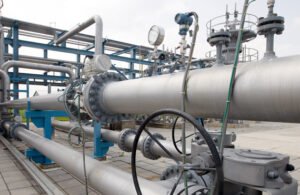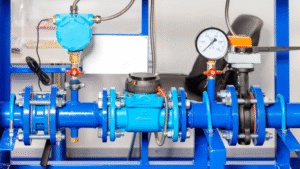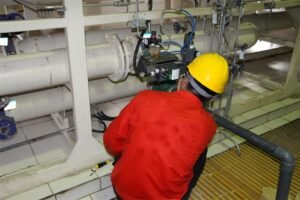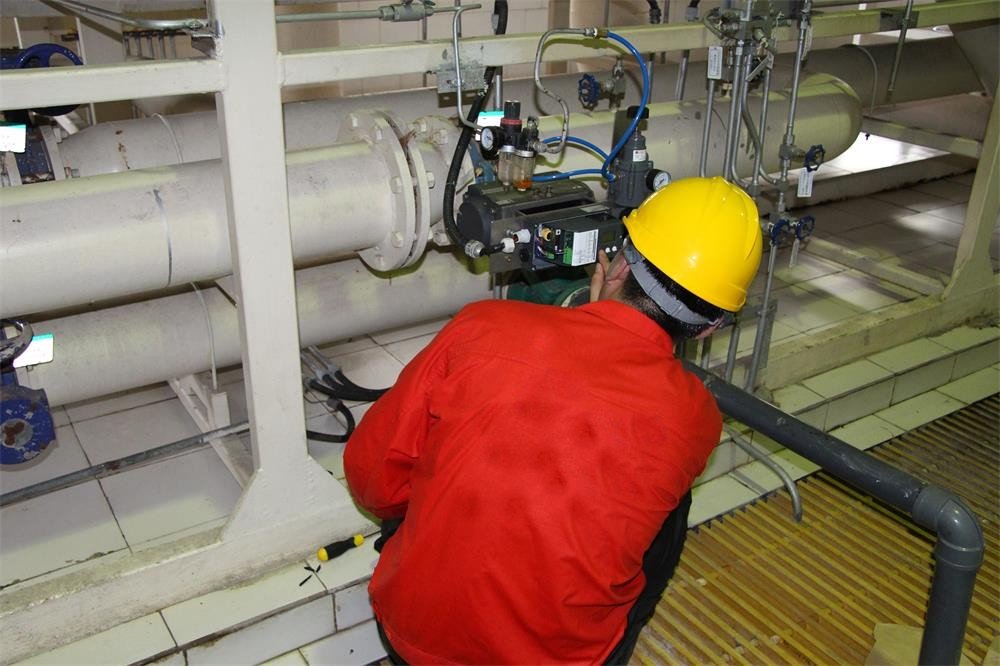

Modern industrial operations rely on thousands of valves to control flow, pressure, and safety across critical processes. Over time, these components are subject to gradual wear and tear, which can lead to leaks, reduced efficiency, or even unexpected failures. Valve wear detection systems have emerged as a cornerstone of predictive asset management, enabling facilities to monitor valve health in real time and intervene before minor degradation escalates into costly downtime.
By integrating advanced sensors and analytics, these solutions help maintenance teams shift from reactive repairs to proactive strategies. This approach not only extends equipment lifespan but also optimizes operational reliability and safety. For organizations seeking to enhance their maintenance programs, understanding the capabilities and benefits of wear detection technology is essential.
For those interested in the broader landscape of valve monitoring, exploring valve monitoring instrumentation tools can provide valuable context on how these technologies integrate into comprehensive control systems.
How Valve Wear Monitoring Works
Valve wear detection systems utilize a combination of sensors, data acquisition devices, and software analytics to assess the condition of valves in real time. These systems are typically installed on critical assets where undetected wear could result in process interruptions or safety hazards.
Sensors may monitor parameters such as:
- Stem movement and position
- Vibration and acoustic emissions
- Temperature and pressure fluctuations
- Leakage rates and flow characteristics
Data collected from these sensors is transmitted to centralized platforms, where algorithms analyze patterns and deviations from baseline performance. When signs of wear or abnormal operation are detected, maintenance teams receive alerts, allowing them to schedule inspections or repairs at optimal times.
Key Benefits of Predictive Maintenance with Wear Detection
Implementing valve wear detection systems as part of a predictive maintenance strategy delivers several tangible advantages:
- Reduced Unplanned Downtime: Early identification of wear allows for planned interventions, minimizing the risk of unexpected failures that disrupt production.
- Lower Maintenance Costs: Targeted repairs and replacements are more cost-effective than emergency fixes or overhauls after a breakdown.
- Extended Asset Lifespan: Monitoring wear trends helps optimize maintenance intervals, preventing premature replacements and maximizing equipment value.
- Enhanced Safety: Detecting valve degradation before it impacts process integrity reduces the likelihood of hazardous incidents.
- Data-Driven Decisions: Historical and real-time data support informed maintenance planning and resource allocation.
For industries where reliability is paramount—such as oil and gas, chemical processing, and power generation—the shift to predictive asset management is rapidly becoming standard practice.
Technologies Behind Valve Condition Assessment
The effectiveness of wear detection hinges on the integration of advanced technologies. Common components include:
- Non-Invasive Sensors: Devices that attach externally to valves, measuring vibration, sound, or temperature without interrupting operations.
- Wireless Connectivity: Many modern systems transmit data wirelessly, reducing installation complexity and enabling remote monitoring.
- Machine Learning Algorithms: Sophisticated analytics can distinguish between normal operational variations and genuine signs of wear, improving accuracy.
- Cloud-Based Platforms: Centralized dashboards provide visibility across entire facilities, supporting multi-site asset management.
These innovations are part of a broader movement toward smart industrial infrastructure. For a deeper dive into related advancements, see innovations in industrial valve technology enhancing performance and reliability.
Integrating Wear Detection into Asset Management Programs
To maximize the value of valve wear detection systems, organizations should consider how these solutions fit within their broader asset management frameworks. Key steps include:
- Asset Prioritization: Identify which valves are most critical to operations and would benefit most from continuous monitoring.
- System Integration: Ensure compatibility with existing control systems, maintenance management software, and data analytics platforms.
- Staff Training: Equip maintenance teams with the knowledge to interpret alerts and take appropriate action.
- Continuous Improvement: Use data insights to refine maintenance schedules and improve asset reliability over time.
Facilities that adopt a holistic approach to predictive maintenance often see the greatest returns, both in terms of operational efficiency and cost savings.
Challenges and Considerations
While the advantages are clear, implementing wear detection is not without challenges. Common considerations include:
- Initial Investment: Upfront costs for sensors and integration can be significant, though they are often offset by long-term savings.
- Data Overload: Large volumes of sensor data require robust analytics to extract actionable insights.
- Change Management: Shifting from traditional maintenance practices to data-driven approaches requires organizational buy-in and training.
- System Compatibility: Ensuring new detection solutions work seamlessly with legacy equipment may require customization.
Despite these hurdles, the trend toward digitalization in asset management continues to accelerate, driven by the clear benefits of predictive maintenance.
Applications Across Industries
Valve wear detection systems are applicable in a wide range of sectors, including:
- Oil & Gas: Monitoring valves in pipelines, refineries, and offshore platforms to prevent leaks and ensure safety.
- Chemical Manufacturing: Protecting against hazardous releases and maintaining product quality.
- Power Generation: Ensuring reliable operation of steam, gas, and water control valves in energy plants.
- Pharmaceuticals: Supporting compliance and process integrity, as explored in valve monitoring in pharmaceuticals.
- Mining: Managing abrasive and corrosive environments, with more insights at valve monitoring in mining industry.
Each industry faces unique challenges, but the core principles of predictive maintenance and real-time monitoring remain consistent.
Future Trends in Valve Health Monitoring
The evolution of valve wear detection systems is closely tied to advancements in industrial IoT, artificial intelligence, and data analytics. Emerging trends include:
- Edge Computing: Processing sensor data locally for faster response times and reduced network load.
- Predictive Analytics: Leveraging historical data to forecast wear patterns and optimize maintenance schedules.
- Integration with Digital Twins: Creating virtual models of physical assets to simulate performance and predict failures.
- Automated Maintenance Workflows: Triggering work orders and inventory management based on real-time condition data.
As these technologies mature, organizations will be able to achieve even greater levels of efficiency, safety, and asset longevity.
FAQ
What types of sensors are used in valve wear detection?
Common sensors include vibration monitors, acoustic emission detectors, temperature probes, and position encoders. The choice depends on the valve type and the specific wear mechanisms being monitored.
How does predictive maintenance differ from preventive maintenance?
Preventive maintenance relies on scheduled intervals, while predictive maintenance uses real-time data from systems like wear detection to perform maintenance only when needed, reducing unnecessary interventions and costs.
Can wear detection systems be retrofitted to existing valves?
Yes, many modern solutions are designed for easy retrofit, using non-invasive sensors and wireless connectivity to minimize installation complexity and downtime.
How do I choose the right wear detection solution for my facility?
Consider factors such as criticality of assets, compatibility with existing systems, data analytics capabilities, and long-term support. Consulting with technology providers and reviewing case studies can help inform the decision.
Where can I learn more about data-driven valve maintenance?
For further reading on leveraging analytics for operational insights, visit valve performance data analytics.