
Precision in industrial processes depends heavily on accurate measurement and control. As industries increasingly rely on automation, the role of valve sensor calibration systems has become central to ensuring reliable data and optimal performance. These systems are designed to maintain the integrity of sensor readings, which directly impact the efficiency, safety, and longevity of critical infrastructure.
Modern calibration solutions not only help in minimizing operational risks but also support compliance with regulatory standards. By keeping sensors in top condition, facilities can avoid costly downtime and ensure that their process valves operate within specified parameters. For those seeking to enhance predictive maintenance, integrating calibration with valve anomaly prediction models can further improve reliability and reduce unplanned outages.
Understanding the Role of Calibration in Valve Sensors
Valve sensors are fundamental components in process automation, providing real-time feedback on position, flow, pressure, and other critical variables. Over time, these sensors can drift due to environmental factors, mechanical wear, or electrical interference. Without regular calibration, even minor deviations can lead to inaccurate readings, resulting in process inefficiencies, product quality issues, or safety hazards.
A robust valve sensor calibration system ensures that all measurements remain within acceptable tolerances. Calibration involves comparing sensor outputs to known standards and making necessary adjustments. This process is vital in industries such as oil and gas, water treatment, pharmaceuticals, and food processing, where precise control is non-negotiable.
Key Features of Modern Valve Sensor Calibration Systems
Today’s calibration platforms offer a range of features designed to simplify maintenance and maximize accuracy. Some of the most important attributes include:
- Automated routines: Many systems provide guided workflows, reducing human error and ensuring consistency across calibration cycles.
- Digital documentation: Automatic recording of calibration data supports traceability and regulatory compliance.
- Remote access: Cloud-enabled solutions allow technicians to monitor and adjust calibration from anywhere, improving flexibility and response times.
- Integration with asset management: Linking calibration systems to asset management platforms enables predictive maintenance and lifecycle optimization.
- Multi-sensor compatibility: Advanced systems can calibrate a variety of sensor types, including positioners, pressure transmitters, and flow meters.
These features not only streamline the calibration process but also contribute to a safer and more efficient operation.
Benefits of Accurate Calibration for Industrial Operations
Implementing a dedicated calibration solution for valve sensors delivers measurable benefits across multiple dimensions:
- Enhanced process reliability: Accurate sensors provide trustworthy data, reducing the risk of process deviations and equipment failures.
- Cost savings: Preventing unnecessary shutdowns and minimizing product waste directly impacts the bottom line.
- Regulatory compliance: Many industries are subject to strict standards that require documented calibration and traceability.
- Extended equipment life: Well-calibrated sensors reduce wear and tear on valves and actuators, leading to fewer replacements and repairs.
- Improved safety: Reliable sensor data helps operators detect anomalies early, preventing accidents and environmental incidents.
For example, in water distribution networks, integrating calibration with water distribution valve monitoring solutions can further enhance network reliability and operational transparency.
Best Practices for Implementing Calibration Solutions
To maximize the value of valve sensor calibration systems, organizations should follow several best practices:
- Establish a regular schedule: Calibration intervals should be based on manufacturer recommendations, industry standards, and operational experience.
- Train personnel: Ensure technicians are familiar with both the hardware and software aspects of the calibration system.
- Leverage digital records: Maintain comprehensive logs of all calibration activities for audits and continuous improvement.
- Integrate with monitoring platforms: Connect calibration data with systems such as valve performance data analytics to gain deeper operational insights.
- Review and update procedures: Regularly assess calibration protocols to incorporate technological advancements and lessons learned from field operations.
By adhering to these guidelines, facilities can ensure that their sensors remain accurate and their processes stay within control limits.
Industry Applications and Use Cases
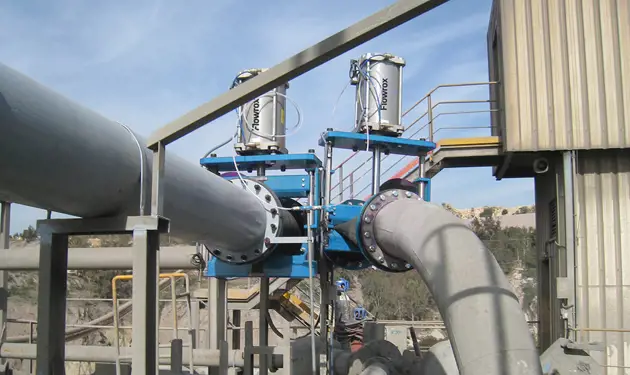
The need for precise calibration spans a wide range of sectors. In the mining industry, for example, reliable valve sensor data is essential for managing slurry flows and preventing blockages. In water management, calibration supports the efficient operation of irrigation systems, as seen with irrigation valve monitoring solutions. Pharmaceutical manufacturing relies on accurate sensor readings to maintain product quality and comply with stringent regulations.
Additionally, the integration of smart monitoring technologies is transforming traditional calibration approaches. According to experts in smart valve monitoring, combining real-time analytics with automated calibration can significantly improve overall valve performance and reduce manual intervention.
Challenges and Future Trends in Calibration Technology
While the benefits of advanced calibration systems are clear, several challenges remain. These include the complexity of integrating legacy equipment, ensuring cybersecurity for cloud-based platforms, and managing the cost of system upgrades. However, ongoing innovation is addressing these hurdles.
Emerging trends include the use of artificial intelligence to predict calibration needs, wireless sensor networks for remote environments, and enhanced interoperability between calibration and asset management systems. As these technologies mature, they will further simplify maintenance and improve the accuracy of industrial processes.
Frequently Asked Questions
How often should valve sensors be calibrated?
The recommended calibration frequency depends on the application, manufacturer guidelines, and operational environment. Critical processes may require monthly or quarterly calibration, while less demanding applications might extend intervals to once or twice a year. Regular reviews of calibration records help determine the optimal schedule.
What are the signs that a valve sensor needs recalibration?
Common indicators include inconsistent readings, unexpected process deviations, alarms from monitoring systems, or failed quality audits. If a sensor is exposed to harsh conditions or mechanical shock, recalibration should be performed immediately to ensure continued accuracy.
Can calibration systems be integrated with existing plant automation?
Yes, most modern calibration platforms are designed for compatibility with a wide range of automation and asset management systems. Integration enables seamless data sharing, supports predictive maintenance, and enhances overall process visibility.