
Valve actuator monitoring systems play a crucial role in ensuring the efficiency, safety, and reliability of automated industrial operations. As industries increasingly rely on automation to control fluid flow and manage complex processes, the need for robust monitoring solutions has never been more important. These systems provide real-time data on valve position, actuator health, and operational status, enabling proactive maintenance and minimizing unplanned downtime.
Modern facilities, from water treatment plants to oil refineries, depend on automated valves to regulate flow and maintain process integrity. Without effective monitoring, even minor actuator faults can escalate into costly failures or safety incidents. By integrating advanced monitoring technology, operators gain deeper insights into equipment performance and can respond quickly to anomalies. For organizations seeking to enhance operational reliability, adopting comprehensive actuator monitoring is a strategic investment.
For those interested in leveraging data-driven insights for predictive maintenance, exploring valve anomaly prediction models can further enhance the value of actuator monitoring by identifying issues before they cause disruptions.
Understanding Valve Actuator Monitoring in Industrial Automation
Valve actuators are devices that automate the opening and closing of valves, controlling the flow of liquids, gases, or slurries within a system. In automated environments, these actuators are often integrated with sensors and control units that track their position, torque, temperature, and other critical parameters. Monitoring solutions collect and analyze this data, providing operators with a comprehensive view of system health.
The main objectives of actuator monitoring include:
- Ensuring valves operate within specified parameters
- Detecting early signs of wear, misalignment, or failure
- Supporting predictive maintenance strategies
- Improving process safety and compliance
- Reducing manual inspection requirements
By continuously tracking actuator performance, monitoring systems help prevent unexpected breakdowns and optimize maintenance schedules. This reduces operational costs and extends the lifespan of critical assets.
Key Features of Modern Valve Actuator Monitoring Solutions
Today’s actuator monitoring platforms offer a range of features designed to support reliable automation. Some of the most valuable capabilities include:
- Real-time data acquisition: Sensors capture live information on valve position, actuator movement, and environmental conditions.
- Remote diagnostics: Operators can assess actuator health and troubleshoot issues from a central control room or even offsite locations.
- Predictive analytics: Advanced algorithms analyze trends and flag anomalies, enabling maintenance teams to address problems before failure occurs.
- Integration with SCADA and DCS: Monitoring data can be seamlessly incorporated into Supervisory Control and Data Acquisition (SCADA) or Distributed Control Systems (DCS) for unified process management.
- Event logging and reporting: Systems maintain detailed records of actuator activity, supporting traceability and regulatory compliance.

These features not only improve operational visibility but also empower teams to make data-driven decisions that enhance system performance and reliability.
Benefits of Implementing Actuator Monitoring for Automation Reliability
Integrating valve actuator monitoring systems into automated processes delivers a range of tangible benefits:
- Reduced downtime: Early detection of faults allows for planned maintenance, minimizing unexpected outages.
- Enhanced safety: Continuous monitoring helps identify hazardous conditions, reducing the risk of accidents or environmental incidents.
- Lower maintenance costs: Predictive insights enable targeted interventions, avoiding unnecessary repairs and extending equipment life.
- Improved regulatory compliance: Automated record-keeping and event tracking support adherence to industry standards and audits.
- Optimized process efficiency: Real-time feedback helps operators fine-tune system parameters for maximum throughput and energy efficiency.
For sectors such as water distribution, energy, and manufacturing, these advantages translate into higher productivity and a stronger competitive edge. Facilities that invest in robust monitoring can also adapt more easily to changing operational demands and regulatory requirements.
Technologies Powering Advanced Monitoring Systems
Modern actuator monitoring leverages a combination of hardware and software technologies. Key components include:
- Sensors: Devices that measure position, torque, temperature, vibration, and other variables directly on the actuator or valve.
- Communication modules: Wired or wireless transmitters that relay sensor data to control systems or cloud platforms.
- Edge computing: Local processing units that analyze data at the source, reducing latency and bandwidth requirements.
- Cloud integration: Centralized platforms that aggregate data from multiple sites, enabling remote monitoring and advanced analytics.
- Machine learning algorithms: Software tools that identify patterns, predict failures, and recommend maintenance actions based on historical and real-time data.
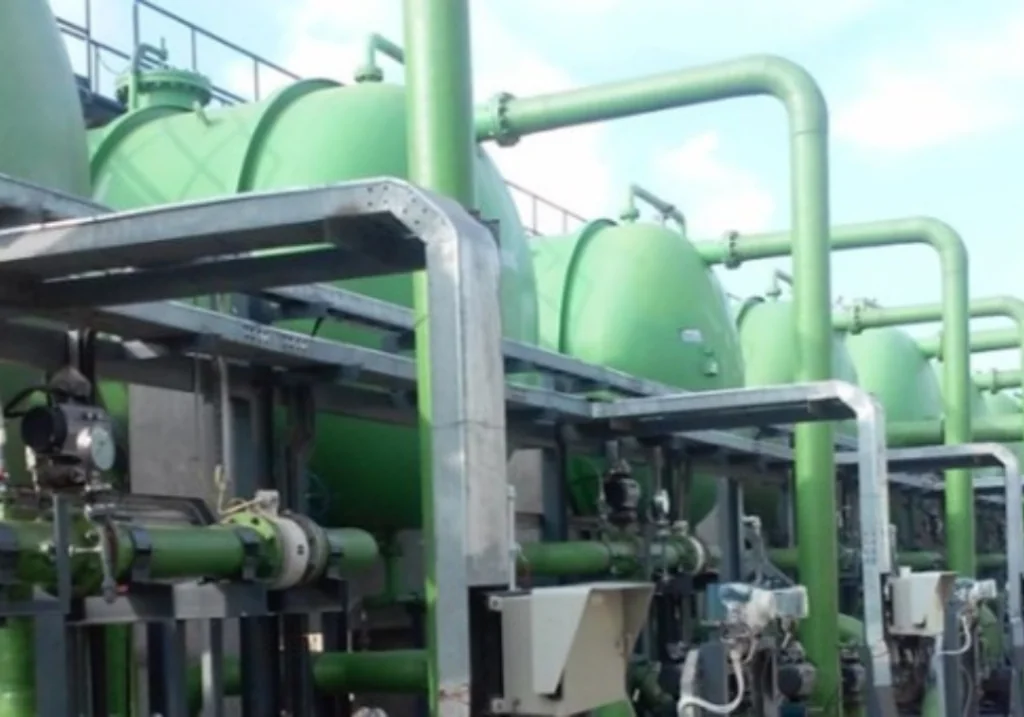
The integration of these technologies allows organizations to move beyond basic status monitoring toward comprehensive diagnostics and optimization.
Applications Across Industries
Valve actuator monitoring is essential in a variety of sectors, each with unique requirements:
- Water and wastewater management: Ensures reliable flow control and supports network reliability. For more on this, see water distribution valve monitoring.
- Oil and gas: Monitors critical valves in pipelines and refineries to prevent leaks and ensure safe operation.
- Chemical processing: Tracks actuator performance in hazardous environments, supporting safety and compliance.
- Power generation: Maintains precise control over steam, gas, and cooling systems in power plants.
- Mining: Monitors heavy-duty actuators in challenging conditions. Learn more about valve monitoring in mining industry.
- Agriculture and irrigation: Supports efficient water management. Explore irrigation valve monitoring solutions for further details.
Each application benefits from tailored monitoring strategies that address specific operational risks and performance goals.
Best Practices for Deploying Monitoring Solutions
To maximize the value of actuator monitoring, organizations should consider the following best practices:
- Assess critical assets: Identify which valves and actuators are most vital to process continuity and safety.
- Select scalable technology: Choose monitoring solutions that can grow with operational needs and integrate with existing control systems.
- Prioritize data security: Ensure that communication protocols and cloud platforms meet industry cybersecurity standards.
- Train personnel: Equip operators and maintenance teams with the skills to interpret monitoring data and respond effectively.
- Leverage analytics: Use advanced analytics and valve performance data analytics to drive continuous improvement.
By following these guidelines, facilities can achieve a higher level of automation reliability and operational excellence.
Integrating Diagnostics and Predictive Maintenance
A key advantage of modern monitoring is the ability to support predictive maintenance. By analyzing actuator performance trends, organizations can schedule interventions only when necessary, reducing unnecessary downtime and maintenance costs. For a deeper dive into diagnostic techniques, review this comprehensive resource on valve diagnostics.
Predictive maintenance strategies, when combined with real-time monitoring, enable a shift from reactive to proactive asset management. This not only improves reliability but also extends the lifespan of critical equipment.
Frequently Asked Questions
What types of data do actuator monitoring systems collect?
Typical systems gather information such as valve position, actuator torque, cycle counts, temperature, vibration, and sometimes even pressure or flow data. This comprehensive dataset allows for detailed diagnostics and performance analysis.
How do monitoring solutions improve safety?
Continuous monitoring enables early detection of abnormal conditions, such as sticking valves or actuator overloads. By alerting operators to these issues, the system helps prevent accidents, leaks, or process interruptions that could compromise safety.
Can existing valves be retrofitted with monitoring technology?
Yes, many modern monitoring platforms are designed for retrofit applications. Wireless sensors and modular communication units can be installed on existing actuators, making it possible to upgrade legacy systems without major infrastructure changes.
Conclusion
In today’s automated industrial landscape, valve actuator monitoring systems are essential for maintaining process reliability, safety, and efficiency. By providing real-time insights and supporting predictive maintenance, these solutions help organizations minimize downtime, reduce costs, and optimize asset performance. As technology continues to advance, the integration of analytics and remote diagnostics will further enhance the value of actuator monitoring, making it a cornerstone of smart automation strategies.