
In today’s highly competitive industrial landscape, the efficiency and reliability of process equipment are more critical than ever. Among the most vital components in any plant or facility are valves, which regulate flow, pressure, and safety across countless applications. As industries strive to boost productivity and reduce downtime, valve performance optimization tools have become indispensable for maintenance teams and plant managers alike.
These advanced solutions help identify inefficiencies, predict failures, and ensure that valves operate at peak performance. By leveraging the right technologies, organizations can minimize energy consumption, extend equipment life, and maintain compliance with safety standards. For those seeking a deeper dive into related instrumentation, the article on valve monitoring instrumentation tools offers further insights into precision control strategies.
Understanding the Role of Valve Optimisation in Industry
Valves are essential for controlling the flow of liquids, gases, and slurries in pipelines and process systems. Over time, even the most robust valves can suffer from wear, corrosion, or misalignment, leading to leakage, pressure drops, or operational failures. The consequences of poorly performing valves include increased energy costs, unscheduled shutdowns, and potential safety hazards.
To address these challenges, industries are turning to valve performance optimization tools that provide real-time data, diagnostics, and actionable insights. These solutions enable proactive maintenance, allowing teams to address issues before they escalate into costly problems.
Key Features of Modern Valve Performance Solutions
Today’s optimization technologies combine hardware sensors, software analytics, and cloud-based platforms to deliver a comprehensive view of valve health. Some of the most important features include:
- Condition Monitoring: Sensors track parameters such as vibration, temperature, and pressure to detect early signs of wear or malfunction.
- Predictive Maintenance: Machine learning algorithms analyze historical and real-time data to forecast potential failures, enabling scheduled interventions.
- Remote Diagnostics: Engineers can assess valve status from anywhere, reducing the need for manual inspections and minimizing exposure to hazardous environments.
- Integration Capabilities: Many tools can be integrated with existing SCADA, DCS, or ERP systems, streamlining data flow and supporting smarter decision-making.
Types of Valve Performance Optimization Tools
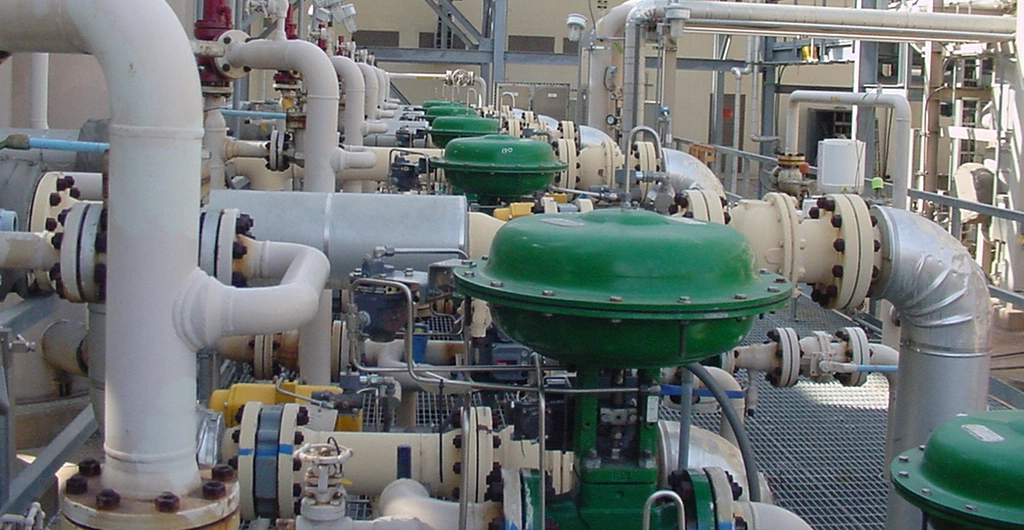
The market offers a variety of solutions tailored to different industry needs. Some of the most widely adopted categories include:
- Portable Diagnostic Devices: Handheld analyzers and testers allow technicians to perform spot checks and gather performance data on-site.
- Permanent Monitoring Systems: These are installed directly on valves and provide continuous monitoring, ideal for critical assets in remote or hazardous locations.
- Software Platforms: Advanced analytics software aggregates data from multiple sources, visualizes trends, and generates maintenance recommendations.
- Cloud-Based Dashboards: Secure, web-accessible interfaces make it easy for teams to collaborate, track KPIs, and manage maintenance workflows across multiple facilities.
For organizations seeking to modernize their operations, exploring valve monitoring industrial solutions can provide a broader perspective on how these tools fit into a comprehensive asset management strategy.
Benefits of Implementing Optimisation Technologies
Adopting valve performance optimization tools delivers measurable advantages across the entire production lifecycle. Key benefits include:
- Reduced Downtime: Early detection of issues allows for planned maintenance, minimizing unexpected outages.
- Lower Maintenance Costs: Targeted interventions prevent unnecessary part replacements and labor expenses.
- Improved Safety: Real-time monitoring helps identify hazardous conditions before they pose risks to personnel or the environment.
- Enhanced Efficiency: Optimized valve operation reduces energy waste and supports sustainability goals.
- Regulatory Compliance: Automated data logging simplifies reporting and helps meet industry standards.
How to Select the Right Optimisation Tools for Your Facility
Choosing the best solution depends on several factors, including the criticality of your assets, the complexity of your processes, and your existing technology infrastructure. Here are some practical steps to guide your selection:
- Assess Your Needs: Identify which valves are most critical to your operations and what failure modes are most common.
- Evaluate Compatibility: Ensure that the chosen tools can integrate with your current control systems and data platforms.
- Consider Scalability: Look for solutions that can grow with your facility, supporting additional assets and new technologies as needed.
- Review Support and Training: Reliable vendor support and comprehensive training resources are essential for successful implementation.
- Analyze Total Cost of Ownership: Factor in not just the initial investment, but also ongoing maintenance, updates, and potential savings from reduced downtime.
For those interested in leveraging data-driven approaches, exploring advanced valve analytics systems can provide further insights into predictive maintenance and performance benchmarking.
Integration with Broader Industrial Systems
Modern plants are increasingly interconnected, with data flowing between sensors, controllers, and enterprise systems. The most effective valve performance optimization tools are designed to fit seamlessly into this digital ecosystem. Integration with ERP platforms, for example, can automate work order generation and streamline inventory management. To learn more about how these technologies can support smarter planning, consider reading about valve monitoring integration with ERP.
Additionally, as industrial infrastructure becomes more intelligent, the role of smart monitoring solutions continues to expand. For a look at how these trends are shaping the future of plant operations, the article on valve monitoring for smart industrial infrastructure is a valuable resource.
Best Practices for Maximizing Valve Performance
To fully realize the benefits of optimization technologies, organizations should adopt a holistic approach that combines technology, process, and people. Here are some best practices:
- Regularly Review Data: Set up dashboards and alerts to monitor key performance indicators and respond promptly to anomalies.
- Train Personnel: Ensure that maintenance teams are skilled in using diagnostic tools and interpreting analytics outputs.
- Standardize Procedures: Develop clear protocols for inspection, calibration, and maintenance based on data-driven insights.
- Collaborate Across Departments: Encourage communication between operations, maintenance, and IT to drive continuous improvement.
For a deeper understanding of diagnostic techniques, the glossary on control valve diagnostics provides a detailed overview of key concepts and terminology.
FAQ
What are the main types of valve performance optimization tools available?
There are several categories, including portable diagnostic devices for spot checks, permanent monitoring systems for continuous data collection, advanced analytics software for trend analysis, and cloud-based dashboards for remote access and collaboration.
How do these tools help reduce maintenance costs?
By providing early warnings of wear or malfunction, optimization solutions enable targeted interventions. This reduces unnecessary part replacements, minimizes labor hours, and helps avoid costly unplanned downtime.
Can optimization solutions be integrated with existing plant systems?
Yes, most modern tools are designed for compatibility with SCADA, DCS, and ERP systems. This integration streamlines data flow, automates reporting, and supports smarter asset management decisions.
What industries benefit most from these technologies?
Any industry that relies on fluid or gas handling—such as oil and gas, chemical processing, water treatment, and power generation—can benefit from improved valve performance and reliability.
Is specialized training required to use these tools?
While many solutions are user-friendly, effective use often requires some training in diagnostics, data interpretation, and integration with plant systems. Vendors typically offer support and resources to help teams get up to speed.