
Modern industrial environments demand seamless connectivity and real-time insights to ensure safe, efficient, and reliable operations. Valve monitoring network solutions have become essential for organizations looking to optimize asset performance, reduce downtime, and enable predictive maintenance strategies. By integrating smart sensors, advanced analytics, and robust communication networks, these systems empower operators to monitor valve health, performance, and status across distributed facilities.
As industries embrace digital transformation, the need for scalable and secure monitoring frameworks is growing. Leveraging networked valve monitoring not only enhances operational visibility but also supports compliance, energy efficiency, and smarter decision-making. For those seeking to implement or upgrade their monitoring infrastructure, understanding the key components and benefits of these solutions is crucial.
For a deeper dive into precision instrumentation, explore valve monitoring instrumentation tools that complement networked solutions and enhance control accuracy.
Key Elements of Modern Valve Monitoring Networks
A robust monitoring network for valves typically consists of several integrated components. These include field devices, communication protocols, data aggregation platforms, and analytics software. Each element plays a vital role in delivering actionable insights and supporting connected operations.
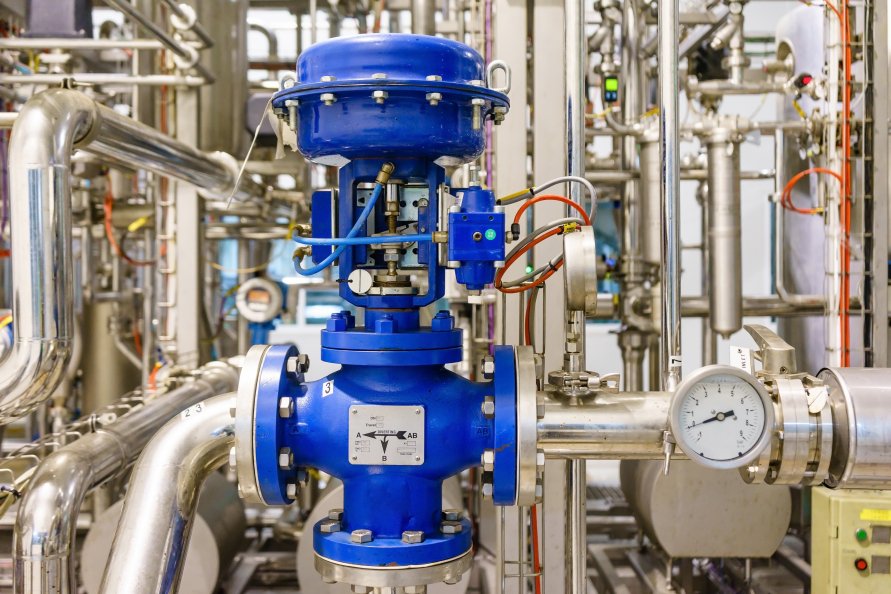
- Smart Sensors and Actuators: These devices collect real-time data on valve position, pressure, temperature, and vibration, enabling early detection of anomalies.
- Industrial Communication Protocols: Protocols such as HART, Modbus, WirelessHART, and OPC UA ensure reliable data transmission across the network.
- Edge and Cloud Computing: Local edge devices process data near the source, while cloud platforms offer scalable storage and advanced analytics capabilities.
- Centralized Dashboards: User-friendly interfaces provide operators with a comprehensive view of valve health, alarms, and maintenance needs.
Benefits of Implementing Networked Valve Monitoring
Deploying valve monitoring network solutions delivers a range of operational and business advantages. These systems move organizations beyond reactive maintenance and manual inspections, enabling smarter, data-driven decisions.
- Reduced Downtime: Early detection of wear, leaks, or blockages helps prevent unplanned shutdowns and costly repairs.
- Predictive Maintenance: Continuous monitoring supports condition-based maintenance, reducing unnecessary interventions and extending asset life.
- Improved Safety: Automated alerts and diagnostics help operators respond quickly to critical issues, minimizing risks to personnel and equipment.
- Energy Efficiency: Optimized valve operation reduces energy consumption and supports sustainability goals.
- Regulatory Compliance: Digital records and automated reporting simplify compliance with industry standards and audits.
How Networked Monitoring Supports Connected Operations
Connected operations rely on the seamless flow of information between assets, control systems, and decision-makers. By integrating valves into a unified monitoring network, organizations gain a holistic view of process health and performance. This connectivity enables:
- Remote Diagnostics: Operators can assess valve conditions and troubleshoot issues from any location, reducing the need for on-site visits.
- Real-Time Collaboration: Maintenance teams, engineers, and management can access shared dashboards and analytics for coordinated action.
- Scalable Integration: Modern solutions are designed to connect with existing SCADA, DCS, and enterprise systems, supporting future growth and digital initiatives.
For organizations pursuing a comprehensive digital strategy, integrating valve monitoring with ERP systems can further enhance planning, inventory management, and resource allocation.
Choosing the Right Valve Monitoring Network Solution
Selecting the best-fit monitoring platform involves evaluating several factors, including compatibility with existing infrastructure, scalability, cybersecurity, and ease of use. Organizations should consider:
- Device Compatibility: Ensure sensors and gateways support the required communication protocols and can be retrofitted to legacy valves if needed.
- Data Security: Look for solutions with robust encryption, user authentication, and secure remote access to protect sensitive operational data.
- Analytics Capabilities: Advanced platforms offer machine learning and predictive analytics to identify patterns and forecast failures.
- Support and Integration: Evaluate vendor support, training resources, and integration with other plant systems.
To learn how analytics can drive smarter maintenance decisions, review insights on advanced valve analytics systems and their role in modern industrial environments.

Applications Across Industries
Valve monitoring network solutions are widely adopted in sectors such as oil and gas, power generation, water treatment, pharmaceuticals, and food processing. Each industry benefits from tailored monitoring strategies that address specific operational challenges:
- Oil & Gas: Monitor critical valves in pipelines and refineries to prevent leaks and ensure process safety.
- Power Generation: Maintain optimal performance of steam and cooling systems through continuous valve diagnostics.
- Water & Wastewater: Ensure reliable flow control and regulatory compliance in treatment plants.
- Pharmaceuticals & Food: Support product quality and hygiene by monitoring valves in sterile and clean-in-place (CIP) systems.
For more on how smart infrastructure is transforming industrial operations, see the article on valve monitoring for smart industrial infrastructure.
Best Practices for Deployment and Maintenance
To maximize the value of networked valve monitoring, organizations should follow a structured approach to deployment and ongoing management:
- Conduct a Needs Assessment: Identify critical assets, data requirements, and integration points with existing systems.
- Pilot and Scale: Start with a pilot project to validate performance, then scale up based on results and feedback.
- Train Personnel: Provide comprehensive training to operators and maintenance teams on system use and troubleshooting.
- Monitor and Optimize: Regularly review system performance, update software, and refine analytics models for continuous improvement.
For a broader overview of available technologies, visit the resource on industrial valve monitoring solutions designed for modern plants.
Expert Perspectives and Further Reading
Industry experts emphasize the importance of proactive condition monitoring for valves to reduce operational risk and improve reliability. For a technical perspective, see this expert article on valve condition monitoring, which explores diagnostic techniques and emerging trends.
Frequently Asked Questions
What are the main benefits of adopting networked valve monitoring?
The primary advantages include reduced unplanned downtime, improved safety, lower maintenance costs, and enhanced regulatory compliance. Continuous monitoring also supports data-driven maintenance and extends asset life.
How do these solutions integrate with existing plant systems?
Most modern platforms support standard industrial protocols and can be integrated with SCADA, DCS, and ERP systems. This enables seamless data sharing, centralized monitoring, and coordinated maintenance planning.
Is it possible to retrofit older valves with monitoring devices?
Yes, many solutions offer retrofit kits and wireless sensors that can be installed on legacy valves, enabling digital monitoring without the need for full equipment replacement.