
In today’s fast-paced industrial environments, the ability to monitor and manage valves remotely is transforming how facilities operate. Valve monitoring mobile apps are bridging the gap between complex field equipment and the need for real-time oversight, allowing engineers, operators, and maintenance teams to access critical valve data from anywhere. These digital tools are not only enhancing operational efficiency but also improving safety and reducing downtime across industries such as oil and gas, water treatment, and manufacturing.
As digital transformation accelerates, integrating mobile solutions into valve management strategies is becoming standard practice. With the right app, users can receive alerts, analyze performance trends, and even initiate control actions without being physically present at the site. For organizations looking to optimize their asset management, understanding the features, benefits, and best practices of these mobile platforms is essential.
For those interested in a deeper dive into the hardware side of remote valve management, our guide on valve monitoring instrumentation tools provides a comprehensive overview of the latest precision control technologies.
Key Features of Modern Valve Monitoring Mobile Apps
The latest generation of valve monitoring mobile apps offers a suite of features designed to streamline field operations and empower remote teams. Here are some of the most impactful capabilities found in leading solutions:
- Real-Time Data Visualization: Access live valve status, flow rates, pressure readings, and temperature data directly from your smartphone or tablet.
- Instant Alerts and Notifications: Receive push notifications for abnormal conditions, maintenance reminders, or emergency events, enabling rapid response.
- Remote Control and Adjustment: Some platforms allow authorized users to open, close, or modulate valves remotely, reducing the need for on-site interventions.
- Historical Data and Analytics: Review trends, generate reports, and analyze performance over time to identify inefficiencies or predict failures.
- Integration with SCADA and ERP Systems: Seamlessly connect mobile apps with existing supervisory control and enterprise planning systems for unified asset management.
- User Management and Security: Role-based access ensures that only authorized personnel can view or control sensitive valve operations.
Benefits of Mobile Valve Monitoring for Industrial Operations
Adopting mobile solutions for valve oversight brings tangible advantages to industrial facilities. These benefits extend beyond convenience, contributing directly to operational resilience and cost savings:
- Increased Uptime: Early detection of valve anomalies and instant alerts help prevent unplanned shutdowns, keeping production lines running smoothly.
- Enhanced Safety: Remote monitoring minimizes the need for personnel to enter hazardous areas, reducing exposure to risks and improving compliance.
- Faster Decision-Making: With real-time insights at their fingertips, managers and engineers can make informed decisions quickly, even when offsite.
- Reduced Maintenance Costs: Predictive analytics and timely notifications allow for condition-based maintenance, lowering repair expenses and extending equipment life.
- Scalability: Mobile apps can be deployed across multiple sites, supporting centralized oversight of distributed assets without significant infrastructure investments.
For organizations seeking to take their digital transformation further, integrating these apps with valve monitoring integration with ERP systems can streamline planning and resource allocation.
How Mobile Apps Support Smart Valve Infrastructure
The rise of smart infrastructure in industrial settings is closely linked to the adoption of valve monitoring mobile apps. These platforms act as the interface between field sensors, cloud analytics, and human operators, enabling a more connected and responsive operation.
By leveraging IoT-enabled sensors and wireless communication, mobile apps provide a holistic view of valve health and performance. This connectivity supports advanced use cases such as:
- Remote Diagnostics: Technicians can troubleshoot issues from afar, reducing travel time and expediting repairs.
- Automated Workflows: Integration with maintenance management systems allows for automatic work order generation based on real-time valve conditions.
- Data-Driven Optimization: Continuous data collection feeds into analytics engines, uncovering patterns that inform process improvements and energy savings.
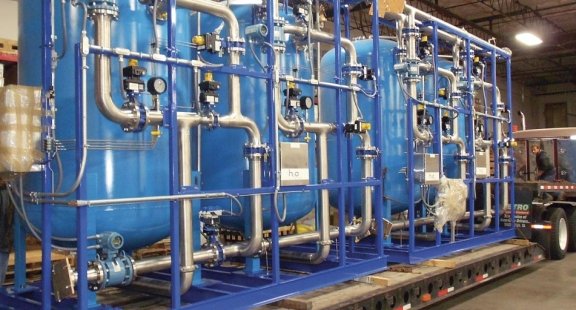
For a broader look at how smart technologies are shaping modern facilities, explore our article on valve monitoring smart infrastructure.
Choosing the Right Valve Monitoring App for Your Facility
Selecting the best mobile platform depends on your facility’s size, complexity, and integration needs. Here are some factors to consider:
- Compatibility: Ensure the app supports your existing valve types, sensors, and control systems.
- User Interface: Look for intuitive dashboards and customizable views that match your team’s workflow.
- Security: Prioritize solutions with robust encryption, authentication, and user management features.
- Scalability: Choose an app that can grow with your operations, supporting additional assets and users as needed.
- Support and Updates: Reliable technical support and regular software updates are essential for long-term success.
Some advanced platforms, such as the Valve Sense Continuous Valve Monitoring System, offer continuous monitoring and analytics tailored for critical infrastructure. Evaluating these options alongside your operational requirements will help you maximize ROI and future-proof your investment.
Integrating Mobile Apps with Advanced Valve Analytics
Pairing mobile monitoring with advanced analytics unlocks even greater value. By feeding real-time valve data into machine learning models or predictive maintenance algorithms, organizations can anticipate failures before they occur and optimize performance across the board.
Our resource on advanced valve analytics systems explains how data-driven maintenance strategies are reshaping industrial asset management.
Best Practices for Deploying Valve Monitoring Mobile Solutions
To ensure a successful rollout of mobile valve monitoring, consider these best practices:
- Start with a Pilot: Test the app on a small set of valves to validate functionality and user adoption before scaling up.
- Train Your Team: Provide hands-on training and clear documentation to help users get the most from new features.
- Establish Clear Protocols: Define procedures for responding to alerts, managing access, and maintaining data integrity.
- Monitor and Iterate: Gather feedback from users and track key performance indicators to drive continuous improvement.
With careful planning and ongoing support, mobile apps can become a cornerstone of your facility’s digital transformation journey.
Frequently Asked Questions
What types of valves can be monitored using mobile apps?
Most modern mobile platforms support a wide range of valve types, including gate, globe, ball, butterfly, and control valves. Compatibility depends on the sensors and communication protocols used in your facility. Always check with your vendor to ensure seamless integration.
How secure are valve monitoring mobile apps?
Security is a top priority for industrial mobile solutions. Leading apps use encryption, multi-factor authentication, and role-based access controls to protect sensitive operational data. Regular updates and best practices further reduce cybersecurity risks.
Can mobile valve monitoring apps be integrated with other industrial systems?
Yes, many apps offer APIs or built-in connectors for integration with SCADA, ERP, and maintenance management systems. This enables unified data flows and supports advanced automation and analytics capabilities.