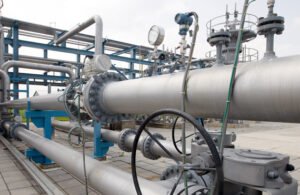
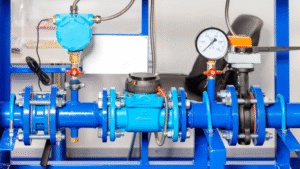
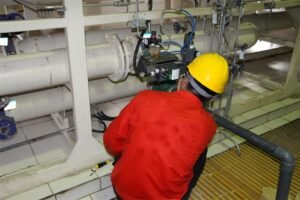
In industries where sterility and contamination control are paramount, such as pharmaceuticals, biotechnology, food processing, and microelectronics, the ability to accurately monitor valves is a critical component of facility management. Valve monitoring for sterile environments ensures that every movement, position, and state change of a valve is tracked, documented, and controlled to prevent contamination and maintain regulatory compliance.
Modern cleanrooms and sterile facilities rely on advanced valve monitoring solutions to uphold rigorous standards. These systems not only help maintain product integrity but also support operational efficiency and safety. For organizations seeking to optimize their processes, integrating valve monitoring instrumentation tools early in the design and maintenance of sterile environments is essential.
Why Valve Monitoring Matters in Controlled Environments
Maintaining a sterile or ultra-clean environment requires strict control over every process variable. Valves are often the gatekeepers for fluids and gases entering or leaving critical zones. If a valve fails or is left in the wrong position, it can introduce contaminants, compromise batch integrity, or even cause costly downtime.
Valve monitoring for sterile environments provides real-time feedback on valve status, helping operators and automated systems make informed decisions. This is especially important for:
- Ensuring compliance with industry regulations (e.g., FDA, GMP, ISO cleanroom standards)
- Preventing cross-contamination between product lines or process streams
- Reducing manual checks and human error
- Supporting traceability and audit readiness
Key Features of Valve Monitoring Solutions for Cleanrooms
Solutions designed for use in sterile and cleanroom settings must meet unique requirements. The following features are commonly found in high-quality monitoring systems:
- Non-intrusive sensors: Devices that do not compromise the sterile barrier or introduce particulates.
- Hygienic design: Components made from materials that withstand cleaning and sterilization, such as stainless steel or specialized polymers.
- Automated data logging: Continuous recording of valve positions and events for regulatory compliance.
- Remote monitoring: Integration with building management or SCADA systems for centralized oversight.
- Alarm and notification systems: Immediate alerts if a valve is not in the correct state or if a fault is detected.
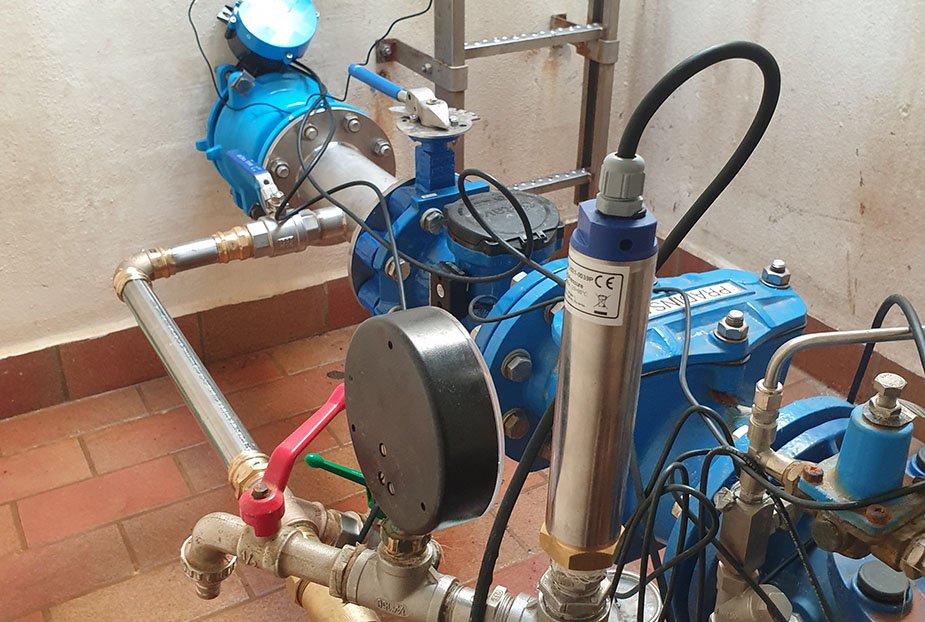
Technologies Used in Sterile Valve Monitoring
A variety of technologies are employed to ensure reliable valve monitoring in sensitive environments:
- Proximity and position sensors: Detect whether a valve is open, closed, or in an intermediate state without physical contact.
- Wireless communication: Reduces wiring complexity and potential contamination points, especially in modular cleanrooms.
- Digital valve controllers: Allow for precise actuation and feedback, often integrating with advanced analytics platforms.
- Data analytics: Platforms that analyze valve performance trends, predict failures, and optimize maintenance schedules. For more on this, see advanced valve analytics systems.
Best Practices for Implementing Valve Monitoring in Sterile Facilities
To maximize the benefits of valve monitoring in cleanrooms and sterile environments, consider the following best practices:
- Early integration: Incorporate monitoring systems during facility design or major upgrades to minimize retrofitting challenges.
- Choose hygienic components: Select sensors and actuators rated for cleanroom or aseptic use, with smooth surfaces and minimal crevices.
- Automate data collection: Use systems that automatically log valve status and events, reducing manual recordkeeping and supporting traceability.
- Regular validation: Periodically test and calibrate sensors and monitoring equipment to ensure accuracy and compliance.
- Train personnel: Ensure staff understand how to interpret monitoring data and respond to alarms or anomalies.
Compliance and Regulatory Considerations
Regulatory bodies require strict documentation and validation of processes in sterile manufacturing and cleanroom operations. Automated valve monitoring supports compliance by:
- Providing electronic records of valve status and changes
- Enabling rapid response to deviations or failures
- Supporting audits with traceable, time-stamped data
For facilities subject to FDA, EMA, or ISO standards, implementing robust valve monitoring is not just best practice—it is often a requirement. Systems must be validated, and data integrity must be assured throughout the lifecycle of the equipment.
Benefits of Digital Valve Monitoring in Sterile Environments
The transition from manual checks to digital monitoring brings several advantages:
- Improved product quality: Reduces risk of contamination and batch rejection.
- Increased uptime: Early detection of valve issues prevents unplanned downtime.
- Lower labor costs: Minimizes manual inspections and documentation efforts.
- Enhanced traceability: Automated logs support root cause analysis and regulatory audits.
- Data-driven maintenance: Enables predictive maintenance strategies, reducing costs and extending equipment life. Learn more about valve anomaly prediction models for proactive maintenance.
Challenges and Solutions in Cleanroom Valve Monitoring
While the benefits are clear, implementing valve monitoring in sterile environments presents unique challenges:
- Material compatibility: Sensors and actuators must withstand aggressive cleaning agents and sterilization cycles.
- Installation constraints: Space limitations and the need to avoid contamination can complicate sensor placement.
- System integration: Monitoring solutions must interface seamlessly with existing control and data systems.
- Validation and documentation: Systems must be validated to meet regulatory requirements, and changes must be documented.
Overcoming these challenges requires collaboration between process engineers, automation specialists, and quality teams. Selecting proven, industry-specific solutions and working with experienced vendors can streamline deployment and ensure long-term reliability.
Emerging Trends in Valve Monitoring for Cleanrooms
The evolution of digital technologies is reshaping how sterile facilities approach valve monitoring. Some notable trends include:
- IoT-enabled devices: Smart valves and sensors that communicate wirelessly for real-time monitoring and control.
- Cloud-based analytics: Centralized platforms that aggregate data from multiple sites for benchmarking and predictive insights.
- Integration with building automation: Unified control of HVAC, filtration, and process systems for holistic contamination control.
- Remote diagnostics: Vendors and service providers can support troubleshooting and maintenance without on-site visits.
For a deeper dive into how digital transformation is unlocking value in valve monitoring, see this expert discussion on the value of digital valve monitoring.
Integrating Valve Monitoring with Broader Industrial Systems
Modern sterile facilities often operate as part of larger industrial complexes. Integrating valve monitoring with broader infrastructure, such as smart industrial infrastructure and plant-wide automation, can amplify the benefits. Centralized monitoring enables coordinated responses to process deviations and supports enterprise-level data analytics.
For organizations managing multiple facilities, standardized monitoring protocols and interoperable systems ensure consistency and facilitate benchmarking across sites.
FAQ: Valve Monitoring in Sterile and Cleanroom Settings
What types of valves are commonly monitored in cleanrooms?
Commonly monitored valves include diaphragm valves, ball valves, butterfly valves, and pinch valves. These are selected for their hygienic design and compatibility with sterilization processes.
How does valve monitoring help prevent contamination?
By providing real-time feedback on valve position and status, monitoring systems ensure that only authorized flows occur and that valves are not left open or closed unintentionally. This reduces the risk of cross-contamination and maintains process integrity.
Is it possible to retrofit existing cleanroom valves with monitoring solutions?
Yes, many modern monitoring devices are designed for retrofit applications. Non-intrusive sensors and wireless communication options make it feasible to upgrade legacy systems without major modifications.
Conclusion
Effective valve monitoring for sterile environments is a cornerstone of contamination control, compliance, and operational excellence in cleanrooms and other sensitive settings. By leveraging advanced technologies and best practices, organizations can safeguard product quality, streamline audits, and reduce operational risks. As digital transformation continues, the integration of smart valve monitoring with broader industrial systems will only become more critical for maintaining the highest standards of sterility and efficiency.