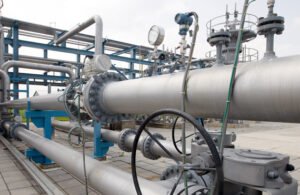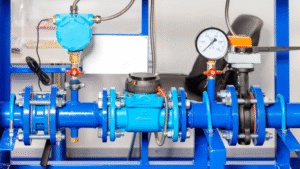

Modern industrial operations rely on the performance and reliability of valves to ensure safety, efficiency, and regulatory compliance. As assets age and operational demands increase, the importance of robust valve inspection technologies becomes clear. These advanced systems help organizations detect wear, prevent failures, and optimize maintenance schedules, ultimately supporting uninterrupted production and cost control.
With the rapid evolution of digital tools and analytics, asset managers now have access to a wide range of inspection solutions. From traditional manual checks to cutting-edge sensors and data-driven platforms, the landscape of valve assessment is more dynamic than ever. For those seeking to integrate these innovations into their maintenance strategies, understanding the available options and their benefits is essential.
For those interested in how instrumentation can further enhance valve performance, valve monitoring instrumentation tools offer detailed insights into operational health and early warning of potential issues.
Key Methods for Valve Condition Assessment
Asset integrity depends on regular and accurate evaluation of valve health. Inspection approaches have evolved from basic visual checks to sophisticated, technology-driven processes. Below are some of the most widely used methods:
- Visual Inspection: The most fundamental approach, involving direct observation for signs of corrosion, leakage, or physical damage. While simple, it is limited to surface-level issues.
- Ultrasonic Testing: This technique uses high-frequency sound waves to detect internal flaws, wall thinning, or cracks. It is non-destructive and effective for both metallic and non-metallic valves.
- Magnetic Particle Inspection: Applied to ferromagnetic materials, this method identifies surface and near-surface discontinuities by observing the behavior of magnetic particles under a magnetic field.
- Leak Detection: Specialized sensors and pressure tests can identify leaks that are not visible to the naked eye, ensuring that valves maintain their sealing integrity.
- Acoustic Emission Monitoring: By capturing sound waves generated by active defects, this technology helps pinpoint the onset of failures before they escalate.
Digital Advancements in Valve Inspection Technologies
The integration of digital tools has transformed how asset checks are performed. Modern valve inspection technologies leverage sensors, wireless communication, and cloud analytics to deliver real-time data and actionable insights. These advancements not only improve accuracy but also reduce manual labor and downtime.
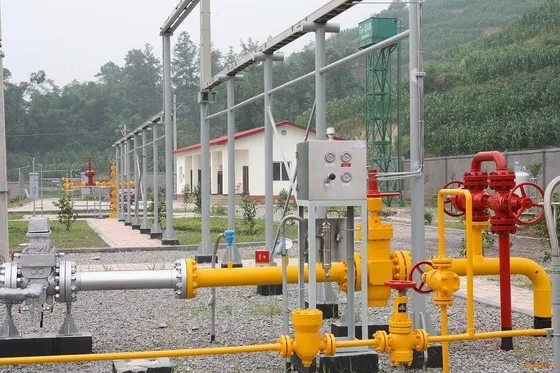
Some of the most impactful digital solutions include:
- Remote Monitoring Systems: These platforms use IoT-enabled sensors to continuously track valve position, pressure, temperature, and vibration. Data is transmitted to centralized dashboards for instant analysis.
- Predictive Maintenance Software: By analyzing historical and real-time data, these tools can forecast potential failures and recommend maintenance before breakdowns occur.
- Digital Twin Technology: Creating a virtual replica of a valve allows engineers to simulate performance, test scenarios, and optimize maintenance without disrupting operations.
- Automated Data Collection: Handheld devices and mobile apps streamline the process of recording inspection results, reducing errors and improving traceability.
For organizations looking to integrate these digital capabilities into broader asset management systems, exploring valve monitoring integration with ERP can unlock smarter planning and resource allocation.
Benefits of Modern Valve Assessment Solutions
Adopting advanced valve inspection technologies brings a host of advantages to industrial operations. Some of the most significant benefits include:
- Enhanced Reliability: Early detection of wear and defects reduces the risk of unexpected failures, supporting continuous production.
- Improved Safety: Automated monitoring and predictive alerts help prevent hazardous incidents caused by valve malfunctions.
- Cost Savings: Targeted maintenance and reduced downtime lower operational expenses and extend asset lifespan.
- Regulatory Compliance: Accurate inspection records and traceability support adherence to industry standards and audits.
- Data-Driven Decision Making: Access to real-time and historical data empowers maintenance teams to prioritize actions based on actual valve condition.
To further enhance these benefits, many facilities are adopting advanced valve analytics systems for data-driven maintenance strategies.
Challenges and Considerations in Implementation
While the advantages are clear, deploying new inspection solutions requires careful planning. Organizations must address several key factors:
- Integration with Existing Infrastructure: Ensuring compatibility with legacy systems and workflows is critical for a smooth transition.
- Training and Change Management: Staff must be trained to use new tools and interpret data effectively.
- Data Security: Protecting sensitive operational data from cyber threats is a top priority, especially with cloud-based platforms.
- Initial Investment: While long-term savings are significant, upfront costs for hardware, software, and training should be considered.
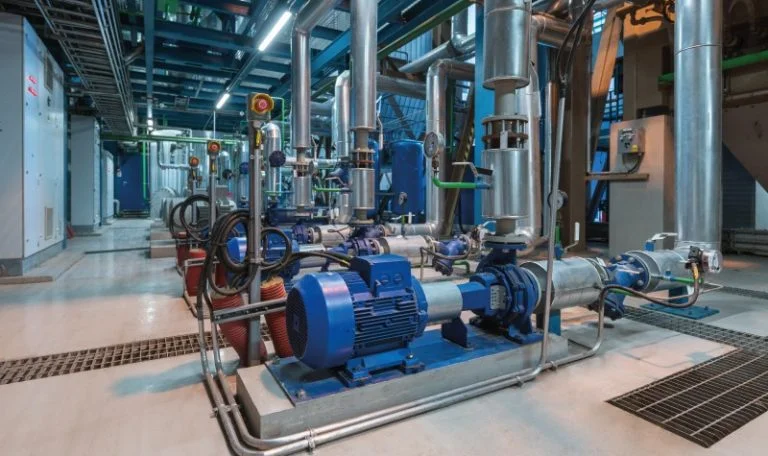
For facilities with complex operations, exploring valve monitoring smart infrastructure can provide scalable solutions tailored to unique asset management needs.
Industry Applications and Real-World Impact
The adoption of advanced inspection solutions spans multiple sectors, including oil and gas, chemical processing, water treatment, and power generation. In each industry, the ability to monitor and maintain valves proactively translates to increased uptime, reduced environmental impact, and improved worker safety.
A notable example is the use of digital monitoring in refineries, where thousands of valves operate under extreme conditions. By implementing real-time assessment tools, operators can identify anomalies early, schedule repairs efficiently, and avoid costly shutdowns. For more insights on the value of digital transformation in valve monitoring, see how digital valve monitoring delivers measurable benefits.
Smaller facilities also benefit from scalable inspection platforms, which can be tailored to fit specific operational requirements and budgets. Whether managing a handful of critical valves or an extensive network, the right technology delivers measurable improvements in reliability and performance.
Best Practices for Maximizing Inspection Effectiveness
To get the most out of modern valve inspection technologies, organizations should follow a set of proven best practices:
- Establish a Regular Inspection Schedule: Consistent assessments help track valve condition over time and catch issues early.
- Leverage Data Analytics: Use collected data to identify trends, predict failures, and optimize maintenance intervals.
- Integrate with Maintenance Management Systems: Linking inspection results to computerized maintenance management systems (CMMS) streamlines work orders and documentation.
- Train Personnel: Ensure that staff understand both the technology and the underlying principles of valve operation and failure modes.
- Review and Update Procedures: As technologies evolve, periodically review inspection protocols to incorporate new capabilities and address emerging risks.
For those managing large-scale operations, adopting valve monitoring industrial solutions can further enhance asset reliability and operational efficiency.
Frequently Asked Questions
What are the main types of valve inspection technologies used in industry?
The primary types include visual inspection, ultrasonic testing, magnetic particle inspection, leak detection, and acoustic emission monitoring. Increasingly, digital solutions such as IoT sensors and predictive analytics are being integrated for real-time monitoring and advanced diagnostics.
How do digital inspection tools improve asset management?
Digital tools provide continuous, remote monitoring of valve health, enabling early detection of issues and data-driven maintenance planning. This reduces unplanned downtime, extends asset life, and supports compliance with safety and regulatory standards.
What should organizations consider before implementing new inspection technologies?
Key considerations include compatibility with existing systems, training requirements, data security, and the initial investment needed for hardware and software. A phased approach and staff engagement are recommended for successful adoption.