
Valve data logging systems are transforming the way industrial facilities manage, monitor, and maintain their critical flow control assets. As regulatory requirements tighten and operational efficiency becomes increasingly vital, organizations are turning to advanced data capture and analytics tools to ensure both compliance and optimal performance. These solutions provide a continuous stream of actionable information, enabling teams to make informed decisions, reduce downtime, and meet stringent industry standards.
For businesses seeking to modernize their infrastructure, integrating real-time monitoring and automated reporting is no longer optional—it’s essential. By leveraging these technologies, companies can not only demonstrate regulatory adherence but also unlock new opportunities for predictive maintenance and process optimization. For a deeper dive into related instrumentation, explore valve monitoring instrumentation tools for precision control.
Understanding Modern Valve Data Capture Solutions
Today’s valve data logging systems go far beyond simple event recording. They are sophisticated platforms that collect, store, and analyze a wide array of parameters such as valve position, cycle counts, pressure, temperature, and actuation times. This data is crucial for both regulatory compliance and operational analysis.
Key features of modern logging solutions include:
- Continuous monitoring of valve performance metrics
- Automated alerts for abnormal conditions or failures
- Integration with plant-wide SCADA or DCS systems
- Secure data storage and easy retrieval for audits
- Support for wireless and remote access
By capturing this information, operators can quickly identify trends, diagnose issues, and provide evidence of compliance during inspections or audits.
Why Compliance Demands Reliable Logging
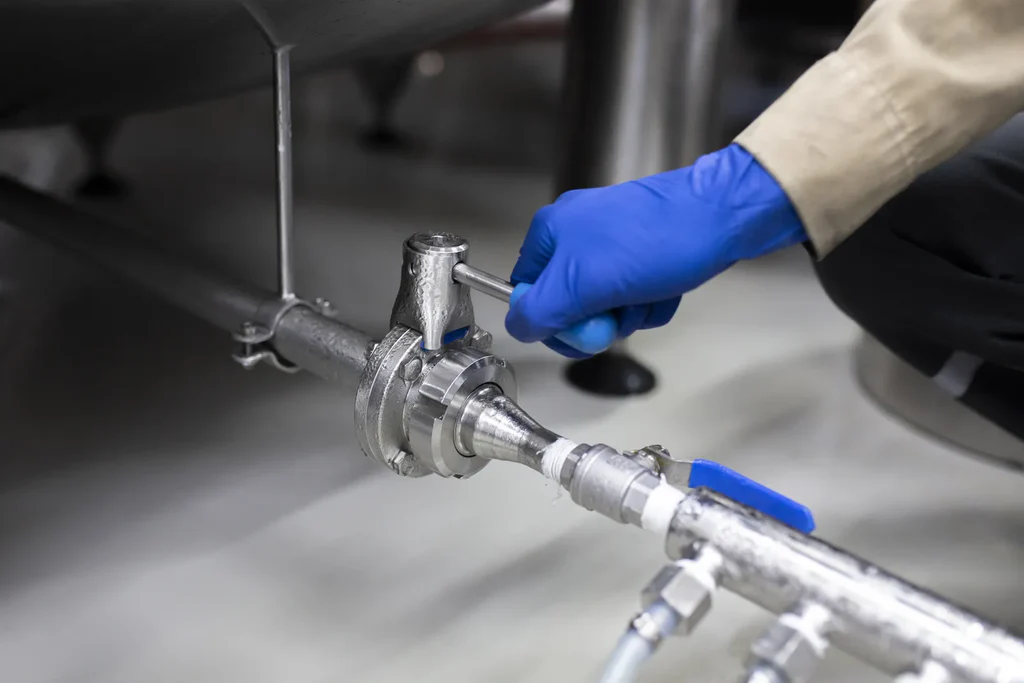
Regulatory bodies across industries such as oil and gas, water treatment, and chemical processing require detailed documentation of valve operations. Failure to provide accurate records can result in fines, shutdowns, or reputational damage. Valve data logging systems automate the collection and organization of this critical information, reducing the risk of human error and ensuring that all required data is available when needed.
Some compliance requirements addressed by these systems include:
- Proof of regular valve cycling and maintenance
- Documentation of safety and emergency shutoff events
- Verification of operational parameters within specified limits
- Long-term data retention for audit trails
Automated logging also streamlines the process of generating compliance reports, saving time and resources for plant personnel.
Data Analysis for Predictive Maintenance and Optimization
Beyond compliance, the real value of valve data logging systems lies in their ability to support predictive maintenance and process optimization. By analyzing historical and real-time data, maintenance teams can detect early warning signs of wear, misalignment, or impending failure. This proactive approach helps minimize unplanned downtime and extends the life of critical assets.
Common analytical capabilities include:
- Trend analysis of valve cycle counts and actuation times
- Correlation of valve performance with process variables
- Identification of recurring faults or inefficiencies
- Automated scheduling of maintenance based on usage data
For organizations interested in leveraging advanced analytics, consider exploring advanced valve analytics systems for data-driven maintenance strategies.
Integration with Smart Infrastructure and ERP Platforms
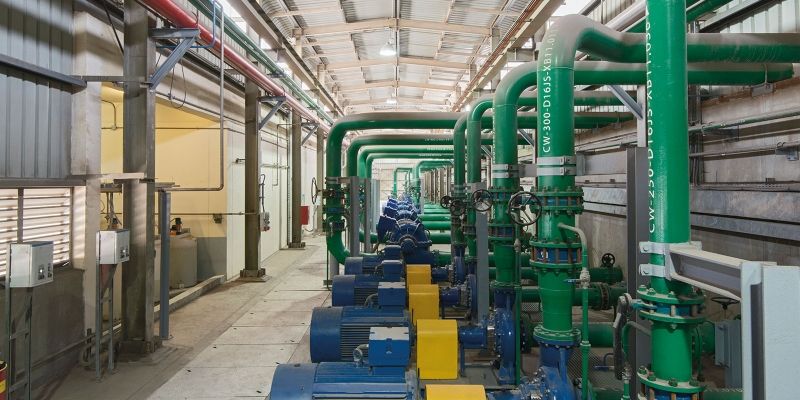
Modern facilities are increasingly adopting smart infrastructure, where devices and systems communicate seamlessly to optimize performance. Valve data logging systems play a crucial role in this ecosystem, providing real-time data feeds that enhance visibility and control.
Key integration benefits include:
- Centralized monitoring of all valve assets across multiple sites
- Automated data sharing with enterprise resource planning (ERP) systems
- Enhanced coordination between maintenance, operations, and compliance teams
- Support for remote diagnostics and troubleshooting
To learn more about how these solutions fit into broader digital transformation initiatives, visit resources on valve monitoring for smart industrial infrastructure and valve monitoring integration with ERP.
Choosing the Right Data Logging Solution
Selecting the appropriate valve data logging system depends on several factors, including the scale of operations, regulatory environment, and specific process requirements. Here are some key considerations:
- Scalability: Can the system handle the number of valves and data points required?
- Connectivity: Does it support integration with existing control and IT infrastructure?
- Data Security: Are there robust measures to protect sensitive operational data?
- User Interface: Is the software intuitive and accessible for all relevant personnel?
- Support and Service: Does the provider offer reliable technical support and updates?
For modern plants seeking comprehensive monitoring, industrial valve monitoring solutions offer a range of options tailored to different industries and compliance needs.
Innovations and Industry Trends
The field of valve monitoring and data capture is evolving rapidly. Recent innovations include wireless sensors, cloud-based analytics, and AI-driven diagnostics. These advancements are making it easier for organizations to deploy, scale, and benefit from real-time valve monitoring without extensive infrastructure investments.
For a broader perspective on technological advancements, see innovations in industrial valve technology enhancing performance and reliability.
Frequently Asked Questions
What types of data do valve logging systems typically record?
Most solutions capture parameters such as valve position, open/close cycles, actuation times, pressure, temperature, and fault events. Some advanced systems also log environmental conditions and integrate with process control data.
How do these systems help with regulatory compliance?
Automated logging ensures that all required operational data is accurately recorded and easily retrievable for audits. This minimizes manual paperwork, reduces errors, and provides clear evidence of adherence to industry standards.
Can data logging platforms be integrated with existing plant systems?
Yes, most modern platforms are designed for seamless integration with SCADA, DCS, and ERP systems. This allows for centralized monitoring, automated reporting, and improved coordination across departments.