
Valve data acquisition systems are transforming how industrial plants monitor, analyze, and optimize their critical flow control assets. By capturing real-time data from valves and related instrumentation, these solutions enable operators to move beyond basic monitoring and towards actionable analytics. This shift is essential for industries seeking to improve reliability, reduce downtime, and make informed decisions based on accurate, timely information.
As industrial operations become more complex, the need for advanced monitoring and analytics tools grows. Integrating smart data collection with analytics platforms helps organizations detect issues early, schedule maintenance proactively, and ensure regulatory compliance. For those looking to deepen their understanding of instrumentation, valve monitoring instrumentation tools provide a strong foundation for precision control and data-driven insights.
Understanding Valve Data Collection in Industrial Environments
Modern process industries rely on a wide array of valves to regulate flow, pressure, and temperature. Traditionally, monitoring these assets involved manual inspections or basic sensors that provided limited feedback. Today, valve data acquisition systems incorporate advanced sensors, digital transmitters, and edge computing devices to capture a wealth of information, including:
- Valve position and movement
- Actuator performance
- Pressure and temperature at the valve
- Vibration and acoustic signatures
- Cycle counts and operational trends
This data is transmitted to centralized control systems or cloud-based platforms, where it can be analyzed for patterns, anomalies, and predictive maintenance opportunities. By leveraging these insights, plant managers can optimize performance, extend asset life, and reduce the risk of unexpected failures.
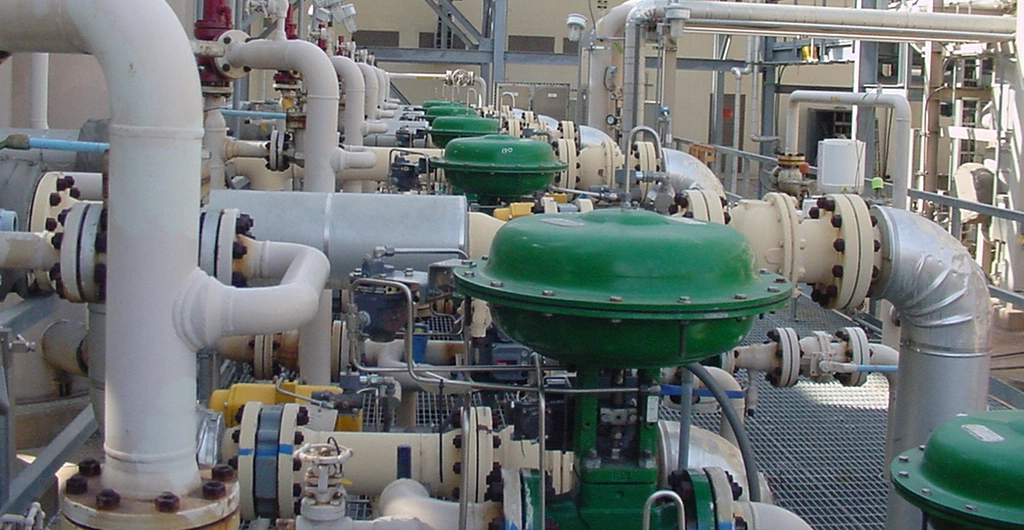
Key Components of Modern Valve Monitoring Solutions
A comprehensive valve monitoring solution typically consists of several integrated components. Understanding these elements is crucial for selecting and deploying the right system for your facility:
- Sensors and Transmitters: These devices collect real-time data on valve health and process conditions. They may include positioners, pressure sensors, and temperature probes.
- Data Acquisition Hardware: Edge devices or data loggers aggregate sensor signals and convert them into digital formats suitable for analysis.
- Communication Networks: Wired or wireless protocols (such as HART, Foundation Fieldbus, or industrial Ethernet) transmit data to control rooms or cloud platforms.
- Analytics Software: Advanced platforms process raw data, apply diagnostic algorithms, and present actionable insights through dashboards and alerts.
For organizations interested in expanding their monitoring capabilities, exploring advanced valve analytics systems can provide a deeper dive into predictive maintenance and performance optimization.
Benefits of Implementing Valve Data Acquisition Systems
Adopting digital data collection and analytics for valves delivers a range of operational and business benefits:
- Proactive Maintenance: Early detection of wear, leaks, or actuator issues allows for scheduled repairs, minimizing unplanned downtime.
- Improved Asset Reliability: Continuous monitoring helps extend valve life and ensures consistent process performance.
- Operational Efficiency: Automated data collection reduces manual inspections and frees up skilled personnel for higher-value tasks.
- Regulatory Compliance: Detailed records of valve operation support safety audits and environmental reporting.
- Cost Savings: Optimized maintenance and reduced failures lower total cost of ownership over the asset lifecycle.
In addition, integrating these systems with plant-wide analytics platforms enables cross-asset optimization and supports digital transformation initiatives.
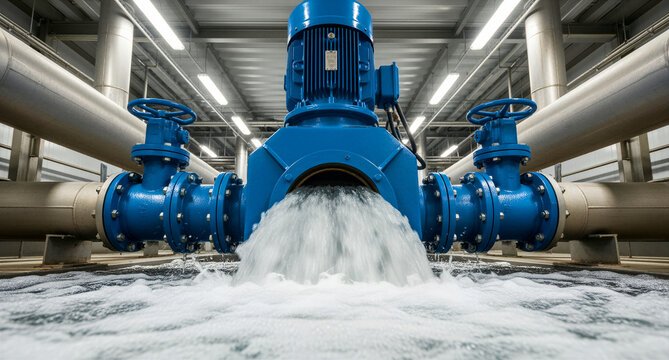
Applications Across Industrial Sectors
Valve data acquisition systems are utilized in a wide variety of industries, each with unique requirements and challenges:
- Oil & Gas: Monitoring critical isolation and control valves in pipelines, refineries, and offshore platforms to prevent leaks and ensure safety.
- Chemical Processing: Ensuring precise flow control and compliance with environmental regulations.
- Power Generation: Managing steam and cooling water valves for efficient plant operation.
- Water & Wastewater: Tracking valve status in distribution networks and treatment facilities to reduce losses and improve reliability.
- Pharmaceuticals & Food: Maintaining strict process control and traceability for quality assurance.
For modern facilities, adopting valve monitoring industrial solutions can help address sector-specific challenges and drive continuous improvement.
Integrating Data Collection with Industrial Analytics Platforms
The true value of data acquisition lies in its integration with analytics and decision-support systems. By connecting valve monitoring data to enterprise resource planning (ERP), computerized maintenance management systems (CMMS), and cloud-based analytics, organizations can:
- Automate work order generation based on diagnostic alerts
- Visualize trends and performance metrics across multiple assets
- Correlate valve health with process outcomes and product quality
- Enable remote monitoring and expert support
For those seeking to streamline operations, valve monitoring integration with ERP offers a pathway to smarter planning and resource allocation.
Best Practices for Deploying Valve Data Acquisition Solutions
To maximize the benefits of digital valve monitoring, consider the following best practices:
- Assess Asset Criticality: Prioritize high-value or high-risk valves for initial deployment.
- Standardize Data Formats: Ensure compatibility across sensors, acquisition hardware, and analytics platforms.
- Leverage Open Protocols: Choose solutions that support industry-standard communication for future scalability.
- Train Personnel: Equip maintenance and operations teams with the skills to interpret data and act on insights.
- Review Data Security: Protect sensitive operational data with robust cybersecurity measures.
For a broader perspective on how smart infrastructure is evolving, valve monitoring for smart industrial infrastructure explores the role of connected assets in digital transformation.
Diagnostics and Predictive Maintenance
One of the most significant advantages of advanced monitoring is the ability to perform diagnostics and predict failures before they occur. By analyzing historical and real-time data, analytics platforms can identify patterns that signal impending issues, such as:
- Increased friction or stiction in valve movement
- Deviations in actuator response times
- Unusual vibration or acoustic signatures
For a deeper dive into these techniques, resources like control valve diagnostics provide detailed explanations of diagnostic methodologies and their impact on maintenance strategies.
Frequently Asked Questions
What types of data can be collected from industrial valves?
A modern system can gather information such as valve position, actuator health, pressure, temperature, vibration, and cycle counts. This comprehensive dataset supports both real-time monitoring and long-term trend analysis.
How do these systems improve maintenance planning?
By providing early warnings of wear or malfunction, data acquisition enables maintenance teams to schedule repairs proactively, reducing unplanned downtime and extending asset life.
Are these solutions suitable for older plants?
Yes, many data acquisition platforms are designed to retrofit existing infrastructure. Wireless sensors and modular hardware make it possible to upgrade legacy systems without major process disruptions.
Conclusion
Valve data acquisition systems are a cornerstone of modern industrial analytics, enabling organizations to move from reactive maintenance to proactive, data-driven decision-making. By integrating advanced sensors, robust data collection, and powerful analytics, plants can achieve higher reliability, efficiency, and safety. As digital transformation accelerates across industries, investing in these technologies will be key to maintaining a competitive edge and ensuring operational excellence.