
In today’s demanding industrial environments, maintaining the health and performance of valves is essential for safe, efficient, and cost-effective operations. Valve condition assessment tools have become indispensable in helping plant operators and maintenance teams monitor, diagnose, and optimize valve performance. These solutions not only prevent unexpected failures but also extend the service life of critical assets, reduce downtime, and support compliance with safety and regulatory standards.
As facilities adopt more advanced monitoring and analytics, the landscape of valve diagnostics is rapidly evolving. From traditional manual inspections to sophisticated digital systems, organizations are seeking the most effective ways to ensure their valves operate reliably. For those interested in integrating these technologies into broader plant systems, exploring valve monitoring integration with ERP can provide additional insights and smarter planning capabilities.
Understanding the Role of Valve Assessment in Industrial Operations
Valves are critical components in virtually every industrial process, controlling the flow of liquids, gases, and slurries. Their failure can lead to production losses, safety incidents, and costly repairs. That’s why regular assessment and monitoring are key to maintaining operational reliability.
Valve condition assessment tools provide actionable data on valve performance, including position, leakage, vibration, and response times. These insights enable maintenance teams to move from reactive to predictive strategies, addressing issues before they escalate. The adoption of such tools is especially important in industries like oil and gas, chemical processing, power generation, and water treatment, where valve reliability directly impacts safety and productivity.
Types of Valve Condition Assessment Tools
The market offers a wide array of solutions, each designed to address specific aspects of valve health. Here are some of the most common categories:
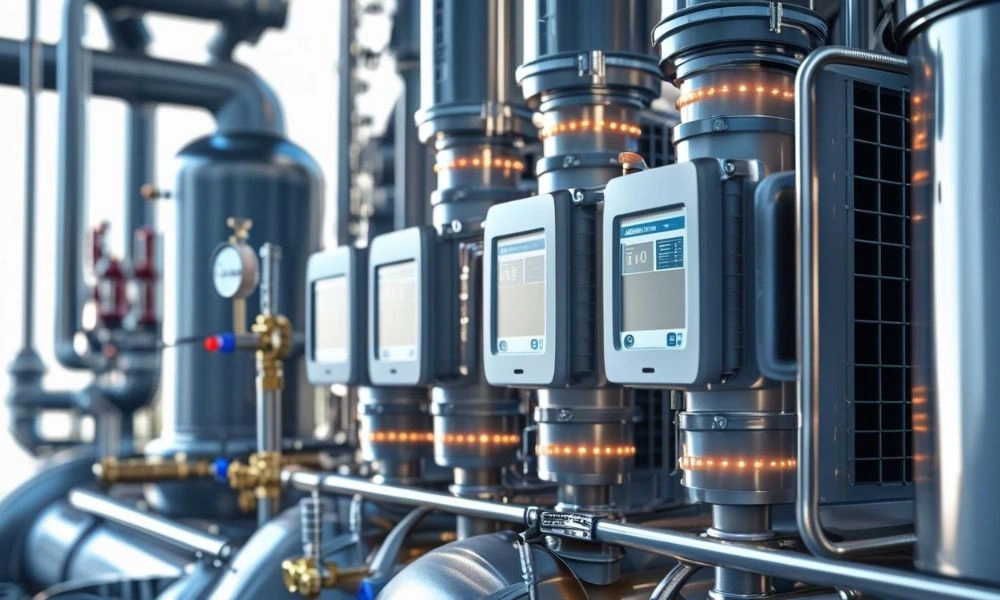
- Acoustic Emission Sensors: Detect leaks and internal wear by capturing sound waves produced by valve operation.
- Vibration Analysis Devices: Monitor vibration signatures to identify mechanical issues such as stem friction or actuator problems.
- Position and Travel Monitors: Track valve movement to verify correct operation and identify sticking or sluggish behavior.
- Pressure and Flow Sensors: Measure upstream and downstream conditions to assess valve sealing and flow control performance.
- Smart Diagnostic Software: Aggregate sensor data and apply analytics to predict failures and recommend maintenance actions.
Benefits of Modern Valve Assessment Solutions
Implementing advanced valve assessment tools delivers measurable benefits to industrial operations:
- Reduced Downtime: Early detection of wear or malfunction allows for planned maintenance, minimizing unplanned outages.
- Improved Safety: Identifying potential failures before they occur helps prevent hazardous incidents.
- Optimized Maintenance: Data-driven insights enable targeted interventions, reducing unnecessary inspections and repairs.
- Cost Savings: Preventing catastrophic failures and extending valve life lowers overall maintenance costs.
- Regulatory Compliance: Detailed records and diagnostics support adherence to industry standards and audits.
For facilities looking to further enhance their monitoring capabilities, exploring valve monitoring instrumentation tools can provide precision control and more granular data.
Key Features to Look for in Assessment Technologies
When selecting valve condition assessment tools, it’s important to consider features that align with your facility’s needs and infrastructure. Some important factors include:
- Real-Time Monitoring: Continuous data collection for immediate detection of anomalies.
- Remote Accessibility: Ability to access diagnostics from control rooms or mobile devices.
- Integration Capabilities: Compatibility with existing plant systems, such as SCADA or ERP platforms.
- Automated Alerts: Configurable alarms for critical conditions, enabling rapid response.
- Historical Data Analysis: Trend analysis to support predictive maintenance and asset management.
Integration with Advanced Analytics and Plant Systems
Modern assessment solutions are increasingly designed to work in tandem with plant-wide analytics platforms. By integrating with advanced valve analytics systems, organizations can leverage machine learning and big data to uncover patterns, predict failures, and optimize maintenance schedules.
Additionally, seamless connection to enterprise resource planning (ERP) and computerized maintenance management systems (CMMS) streamlines workflow, improves documentation, and supports smarter decision-making. This integration is especially valuable for large-scale operations managing thousands of valves across multiple sites.
Best Practices for Implementing Valve Assessment Programs
To maximize the value of assessment tools, consider these best practices:
- Start with a Baseline: Conduct initial surveys to establish normal operating parameters for each valve.
- Prioritize Critical Assets: Focus on valves that are essential to safety, production, or environmental compliance.
- Train Personnel: Ensure maintenance and operations staff are familiar with diagnostic tools and data interpretation.
- Regularly Review Data: Schedule periodic reviews of assessment reports to identify trends and emerging risks.
- Continuously Improve: Use feedback from assessments to refine maintenance strategies and update procedures.
For those managing complex facilities, adopting valve monitoring industrial solutions can help address the unique challenges of modern plants.
Challenges and Future Trends in Valve Diagnostics
While the benefits are clear, implementing comprehensive valve assessment programs can present challenges. These may include the initial investment in hardware and software, integrating new tools with legacy systems, and ensuring data security. However, the trend toward digital transformation is making these solutions more accessible and user-friendly.
Looking ahead, advancements in wireless sensors, cloud-based analytics, and artificial intelligence are set to further enhance the capabilities of valve diagnostics. As these technologies mature, they will enable even more accurate predictions, automated maintenance workflows, and a shift toward fully autonomous plant operations.
For a deeper dive into how smart infrastructure is shaping the future of valve monitoring, see valve monitoring for smart industrial infrastructure.
Industry Applications and Case Studies
Industries such as oil and gas, power generation, water treatment, and chemical processing have all seen significant improvements from adopting modern assessment tools. For example, in compressor applications, reciprocating compressor valve monitoring has enabled operators to detect early signs of wear and avoid catastrophic failures.
These real-world examples highlight the tangible benefits of proactive valve management, including reduced maintenance costs, improved uptime, and enhanced safety records.
FAQ: Valve Condition Assessment in Industrial Settings
What are the main types of valve condition assessment tools?
The most common types include acoustic emission sensors, vibration analysis devices, position and travel monitors, pressure and flow sensors, and smart diagnostic software. Each type targets specific aspects of valve performance and can be used individually or in combination for comprehensive monitoring.
How do these tools improve plant reliability?
By providing real-time data and early warnings of potential issues, these solutions enable maintenance teams to address problems before they lead to failures. This proactive approach reduces unplanned downtime, improves safety, and extends the lifespan of critical assets.
Can valve assessment tools be integrated with existing plant systems?
Yes, many modern solutions are designed for seamless integration with SCADA, ERP, and CMMS platforms. This allows for centralized monitoring, automated reporting, and more efficient maintenance planning across the facility.