Industrial facilities rely on valves to control the flow of liquids and gases, making their performance critical to safety, efficiency, and regulatory compliance. As industries move toward smarter, data-driven operations, ultrasonic valve monitoring solutions have emerged as a leading technology for achieving accurate, real-time detection of valve status and performance anomalies. These advanced systems leverage ultrasonic sensors to provide non-invasive, continuous monitoring, enabling maintenance teams to detect issues before they escalate into costly failures.
With the increasing complexity of modern plants, integrating effective valve monitoring tools is essential. For those seeking a broader overview of available technologies, valve monitoring instrumentation tools offer additional insights into the range of options for precision control. This article explores how ultrasonic-based systems work, their advantages, and best practices for implementation in industrial environments.
How Ultrasonic Valve Monitoring Works
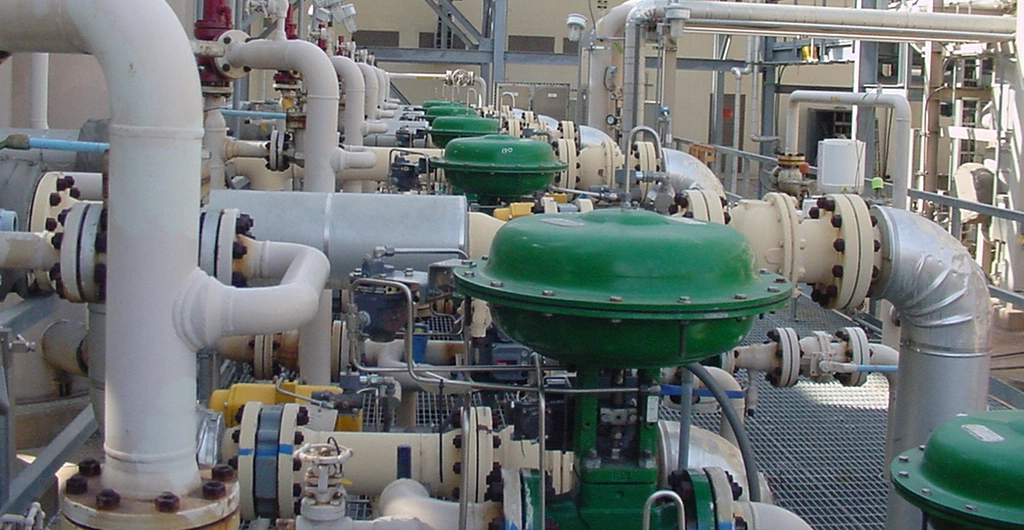
Ultrasonic monitoring systems use high-frequency sound waves to detect changes in valve operation. By attaching sensors externally to the valve body or pipeline, these systems can monitor internal movements and flow characteristics without direct contact with the process fluid. The sensors emit ultrasonic pulses, which reflect off moving parts inside the valve. By analyzing the returning signals, the system can determine the valve’s position, detect leaks, and identify abnormal vibrations or wear.
This non-intrusive approach is particularly valuable in hazardous or hard-to-access environments, as it eliminates the need for process shutdowns or invasive installations. The data collected is transmitted to a central control system, where it can be visualized, analyzed, and used to trigger alerts or maintenance actions.
Key Benefits of Ultrasonic-Based Valve Detection
Implementing ultrasonic valve monitoring solutions offers a range of significant advantages for industrial operators:
- Real-Time Condition Monitoring: Continuous data collection enables immediate detection of valve malfunctions, leaks, or blockages, reducing the risk of unplanned downtime.
- Non-Invasive Installation: Sensors are mounted externally, allowing for quick deployment without interrupting operations or exposing personnel to hazardous materials.
- Extended Asset Life: Early identification of wear or misalignment helps maintenance teams address issues proactively, extending the lifespan of critical components.
- Improved Safety and Compliance: Reliable monitoring supports compliance with safety regulations and reduces the likelihood of environmental incidents.
- Data-Driven Maintenance: Insights from ultrasonic systems support predictive maintenance strategies, minimizing unnecessary interventions and optimizing resource allocation.
For organizations seeking to integrate these technologies into broader plant systems, exploring valve monitoring integration with ERP can further enhance operational efficiency and planning.
Applications Across Industrial Sectors
Ultrasonic monitoring is applicable across a wide range of industries, including oil and gas, chemical processing, water treatment, and power generation. In each of these sectors, valves play a vital role in controlling process flows and ensuring safe operation. Ultrasonic systems are particularly valuable in environments where valves are located in remote, hazardous, or hard-to-reach areas.
In oil and gas, for example, ultrasonic sensors help detect leaks or blockages in pipelines, supporting environmental safety and regulatory compliance. In chemical plants, these systems monitor critical isolation valves, preventing cross-contamination and process upsets. Water utilities use ultrasonic monitoring to ensure reliable distribution and prevent losses due to undetected leaks.

Comparing Ultrasonic Solutions with Other Valve Monitoring Technologies
While ultrasonic methods are gaining popularity, it’s important to consider how they compare with other monitoring approaches, such as acoustic emission, vibration analysis, and electrical position feedback. Ultrasonic systems offer several unique advantages:
- Higher Sensitivity: Capable of detecting subtle changes in valve operation that may be missed by traditional sensors.
- Versatility: Suitable for a wide range of valve types and sizes, including those handling corrosive or high-pressure media.
- Minimal Maintenance: External mounting reduces wear and exposure, resulting in lower maintenance requirements compared to invasive sensors.
However, it’s essential to select the right solution for each application. For a more comprehensive understanding of available options, valve monitoring industrial solutions provide a broader perspective on technologies suited for modern plants.
Implementing Ultrasonic Valve Monitoring in Your Facility
Successful deployment of ultrasonic monitoring systems requires careful planning and integration with existing plant infrastructure. Here are some best practices:
- Site Assessment: Evaluate the types and locations of valves to determine the most suitable sensor configurations.
- System Integration: Connect ultrasonic sensors to your plant’s control or asset management system for centralized data collection and analysis.
- Staff Training: Ensure maintenance and operations teams understand how to interpret data and respond to alerts.
- Regular Calibration: Periodically verify sensor performance to maintain accuracy and reliability.
- Data Utilization: Use insights from monitoring to inform predictive maintenance schedules and optimize spare parts inventory.
For organizations looking to maximize the value of their monitoring investments, leveraging advanced valve analytics systems can help turn raw sensor data into actionable insights for maintenance and operations teams.
Challenges and Considerations
While ultrasonic monitoring offers many benefits, there are some challenges to consider:
- Environmental Factors: Extreme temperatures, vibration, or electromagnetic interference can affect sensor performance. Selecting robust, industrial-grade equipment is essential.
- Initial Investment: The upfront cost of sensors and integration may be higher than traditional methods, but the long-term savings from reduced downtime and maintenance often outweigh initial expenses.
- Data Management: Large volumes of data require effective storage, analysis, and cybersecurity measures to ensure integrity and confidentiality.
Staying informed about the latest developments in valve monitoring is crucial. For example, recent advancements in reciprocating compressor valve monitoring highlight how ultrasonic technology is evolving to address specific industry needs.
Integrating Ultrasonic Monitoring with Smart Infrastructure
As industrial facilities adopt digital transformation strategies, integrating ultrasonic monitoring with smart infrastructure initiatives becomes increasingly important. By connecting sensors to cloud-based platforms and analytics tools, organizations can gain real-time visibility into valve performance across their entire operation. This holistic approach supports remote diagnostics, automated reporting, and continuous improvement.
For those interested in the broader context of digital plant upgrades, valve monitoring for smart industrial infrastructure explores how these technologies fit into the future of industrial automation.
Frequently Asked Questions
What types of valves are compatible with ultrasonic monitoring?
Most industrial valve types, including gate, globe, ball, and butterfly valves, can be monitored using ultrasonic sensors. The key requirement is that the sensor can be securely mounted to the valve body or adjacent piping, allowing sound waves to penetrate and reflect off internal components.
How does ultrasonic monitoring improve maintenance efficiency?
By providing continuous, real-time data on valve condition, ultrasonic systems enable maintenance teams to identify issues early and prioritize interventions based on actual equipment health. This reduces unplanned downtime, avoids unnecessary maintenance, and helps extend the life of critical assets.
Is it possible to retrofit ultrasonic sensors to existing valves?
Yes, one of the main advantages of ultrasonic monitoring is its non-invasive nature. Sensors can be installed on existing valves without process shutdowns or modifications, making it a practical upgrade for facilities seeking to enhance reliability and performance.