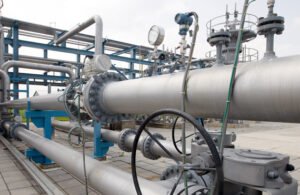
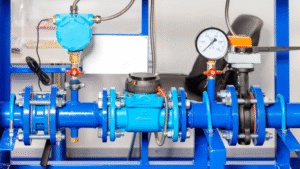
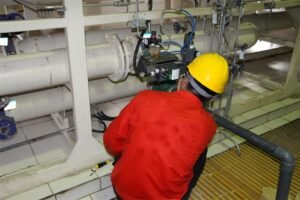
Modern industries rely on precise, real-time data to ensure operational efficiency and safety. Sensor based valve monitoring has emerged as a transformative approach for capturing accurate field data, enabling organizations to optimize maintenance, reduce downtime, and enhance process control. By integrating advanced sensors with industrial valves, operators gain instant visibility into valve status, performance trends, and potential issues before they escalate.
Adopting these smart monitoring solutions is not just about compliance or automation—it’s about building a foundation for data-driven decision-making. With the right tools, teams can move from reactive to proactive maintenance, improving reliability and reducing costs. For those looking to deepen their understanding of the instrumentation behind these systems, exploring valve monitoring instrumentation tools can provide valuable insights into the components and technologies that make this possible.

How Sensor-Driven Valve Monitoring Works
At its core, sensor based valve monitoring involves attaching sensors to industrial valves to capture real-time data on position, temperature, pressure, vibration, and flow. These sensors continuously relay information to a central control system, where it is analyzed for anomalies or deviations from expected performance. This approach eliminates the need for manual inspections, reducing human error and ensuring that even subtle changes are detected promptly.
Most systems use a combination of wireless and wired sensors, depending on the environment and criticality of the application. Wireless options are ideal for remote or hard-to-reach locations, while wired sensors offer robust, interference-free data transmission in high-noise industrial settings.
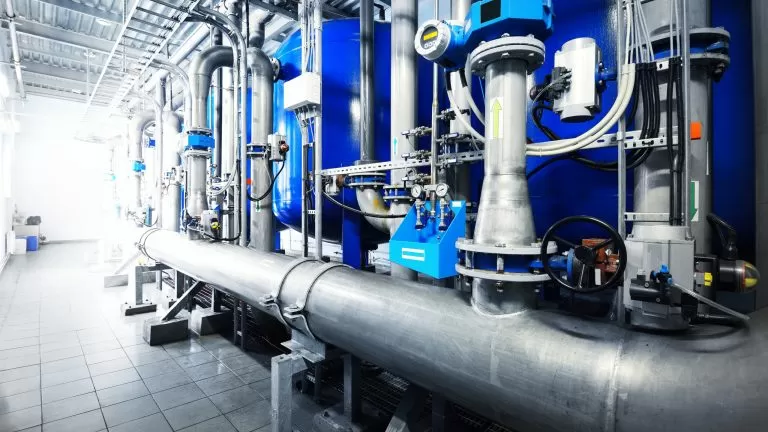
Key Benefits of Real-Time Valve Data Collection
Implementing a sensor-driven approach to valve monitoring delivers several tangible advantages:
- Increased reliability: Continuous monitoring helps identify wear, leaks, or misalignments before they cause failures.
- Reduced maintenance costs: By shifting from scheduled to condition-based maintenance, organizations can avoid unnecessary servicing and focus resources where they are truly needed.
- Enhanced safety: Early detection of abnormal valve behavior minimizes the risk of hazardous incidents, protecting both personnel and equipment.
- Improved compliance: Automated data logging ensures accurate records for regulatory audits and quality assurance.
- Data-driven optimization: Historical data trends support process improvements and more efficient operations.
For industries with complex infrastructure, integrating these solutions with broader plant systems—such as valve monitoring integration with ERP—can further streamline planning and resource allocation.
Types of Sensors Used in Valve Monitoring
The effectiveness of a sensor based valve monitoring system depends on the choice of sensors and their placement. Common sensor types include:
- Position sensors: Detect the open or closed status of the valve, as well as intermediate positions for throttling applications.
- Pressure sensors: Monitor upstream and downstream pressure to identify blockages, leaks, or abnormal flow conditions.
- Temperature sensors: Track thermal changes that may indicate process deviations or equipment stress.
- Vibration sensors: Reveal mechanical issues such as loose fittings, cavitation, or impending failure.
- Flow sensors: Measure the rate of fluid passing through the valve, providing insight into system performance and efficiency.
Choosing the right combination of sensors depends on the specific application, environmental conditions, and criticality of the valve within the process.
Applications Across Industries
Smart valve monitoring is not limited to a single sector. Industries that benefit from these solutions include:
- Oil and gas: Ensures pipeline integrity and prevents costly leaks or spills.
- Water treatment: Maintains consistent flow and pressure to meet regulatory standards.
- Chemical processing: Protects against hazardous releases by detecting valve malfunctions early.
- Power generation: Optimizes steam and cooling water systems for maximum efficiency.
- Pharmaceuticals and food processing: Supports strict quality control and traceability requirements.
For a broader look at how these technologies are transforming plant operations, resources on valve monitoring industrial solutions offer detailed case studies and implementation strategies.
Integrating Analytics with Sensor-Based Systems
Collecting data is only the first step. The real value of sensor based valve monitoring comes from advanced analytics that turn raw data into actionable insights. Modern platforms use machine learning and predictive algorithms to identify patterns, forecast failures, and recommend maintenance actions. This approach supports a shift toward predictive maintenance, reducing unplanned downtime and extending asset life.
For organizations seeking to maximize the impact of their monitoring investments, exploring advanced valve analytics systems can reveal how data science is driving smarter, more efficient maintenance strategies.
Best Practices for Implementation
To ensure a successful deployment, consider the following best practices:
- Assess critical assets: Prioritize valves that are essential to safety, production, or regulatory compliance.
- Select appropriate sensors: Match sensor types to the specific monitoring objectives and environmental challenges.
- Plan for integration: Ensure compatibility with existing control systems, data historians, and enterprise software.
- Establish data protocols: Define how data will be collected, stored, and analyzed to support decision-making.
- Train personnel: Equip staff with the knowledge to interpret data and respond to alerts effectively.
Working with experienced solution providers and leveraging proven technologies can help avoid common pitfalls and accelerate return on investment.
Challenges and Considerations
While the advantages are clear, implementing sensor-driven monitoring is not without challenges. Common issues include:
- Initial investment: Upfront costs for sensors, communication infrastructure, and integration can be significant.
- Data management: Handling large volumes of data requires robust storage, security, and analytics capabilities.
- Environmental factors: Harsh conditions may affect sensor accuracy and longevity, requiring careful selection and maintenance.
- Cybersecurity: Connected devices must be protected against unauthorized access and data breaches.
Despite these hurdles, the long-term benefits in reliability, safety, and efficiency often outweigh the initial challenges.
Future Trends in Valve Monitoring Technology
The field of sensor based valve monitoring continues to evolve rapidly. Emerging trends include:
- Edge computing: Processing data at the source for faster response and reduced network load.
- IoT integration: Connecting valves to broader industrial networks for holistic asset management.
- Cloud analytics: Leveraging scalable platforms for advanced data analysis and remote monitoring.
- Self-powered sensors: Using energy harvesting to reduce maintenance and extend sensor life.
For a deeper dive into diagnostic capabilities and future innovations, visit this comprehensive overview of valve diagnostics and monitoring systems.
FAQ: Sensor-Driven Valve Data Collection
What types of valves can be monitored with sensors?
Most industrial valves—including ball, gate, butterfly, and globe valves—can be equipped with sensors for monitoring. The choice of sensor and installation method may vary depending on the valve type and application.
How does real-time valve monitoring improve safety?
Continuous data collection enables early detection of abnormal conditions such as leaks, blockages, or mechanical failures. This allows operators to respond quickly, reducing the risk of accidents and protecting both personnel and equipment.
Is it possible to retrofit existing valves with sensors?
Yes, many sensor solutions are designed for retrofit applications. This allows organizations to upgrade legacy infrastructure without the need for complete valve replacement, making it a cost-effective way to enhance monitoring capabilities.