
Industrial facilities, water utilities, and process plants all rely on valves to control the flow of liquids and gases. Any unexpected valve failure or performance issue can lead to costly downtime, safety incidents, or environmental hazards. Real time valve monitoring has emerged as a critical technology for maintaining safe and efficient operations by providing continuous oversight of valve status and performance.
By equipping valves with smart sensors and connectivity, operators gain instant access to actionable data. This enables faster response to anomalies, supports predictive maintenance, and helps ensure regulatory compliance. As industries move toward digital transformation, the adoption of advanced monitoring solutions is rapidly increasing.
For organizations seeking to enhance their process reliability, exploring valve monitoring instrumentation tools can provide further insight into the available technologies and their benefits.
How Real-Time Valve Monitoring Works
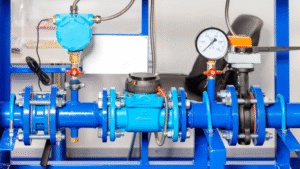
Modern real time valve monitoring systems use a combination of sensors, data acquisition devices, and cloud-based analytics platforms. Sensors are installed directly on or near the valve to measure parameters such as position, pressure, temperature, vibration, and flow rate. These sensors transmit data wirelessly or via wired connections to a central hub, where it is analyzed in real time.
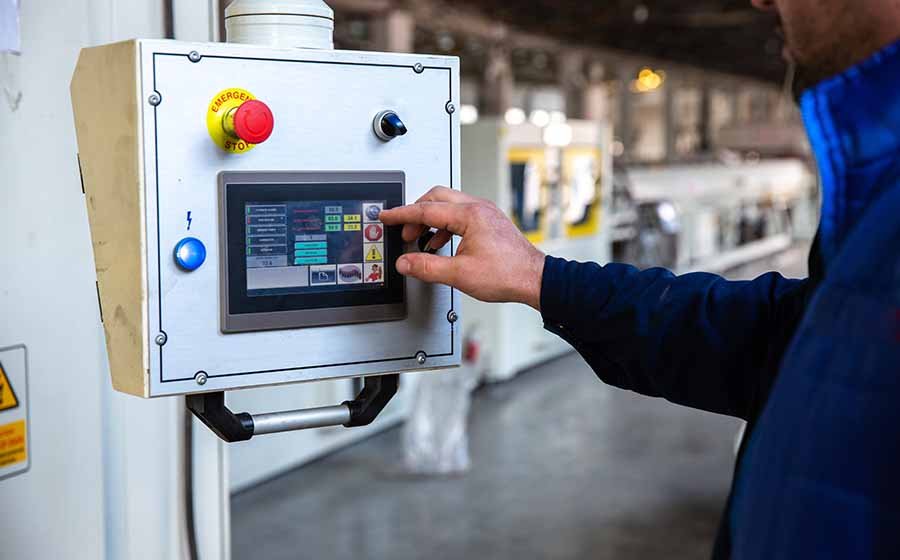
Operators can view live valve status, receive alerts about abnormal conditions, and access historical performance data through intuitive dashboards. Integration with plant control systems allows for automated responses to critical events, reducing the risk of manual error and improving overall safety.
Key Benefits for Process Safety and Efficiency
Implementing continuous valve oversight delivers several important advantages:
- Early Detection of Faults: Continuous data streams enable immediate identification of leaks, sticking, or misalignment, allowing for prompt corrective action.
- Reduced Downtime: Predictive analytics help schedule maintenance before failures occur, minimizing unplanned outages.
- Enhanced Safety: Automated alerts and rapid response capabilities lower the risk of hazardous incidents caused by valve malfunctions.
- Regulatory Compliance: Detailed records of valve performance support adherence to safety and environmental regulations.
- Optimized Operations: Real-time insights facilitate process optimization, energy savings, and improved product quality.
Applications Across Industries
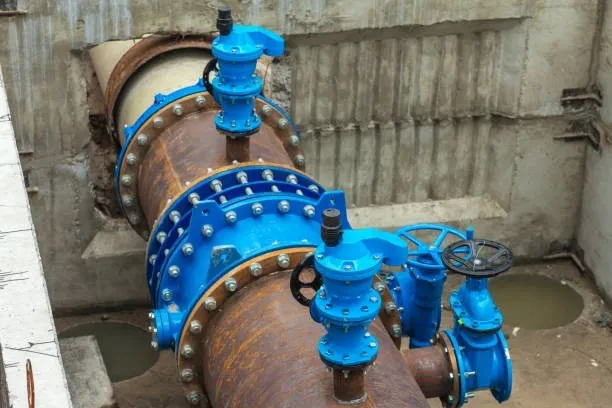
The need for reliable valve oversight spans a wide range of sectors. In the oil and gas industry, real-time monitoring helps prevent spills and supports safe pipeline operation. Water utilities use these systems to maintain distribution network reliability and detect leaks early. Chemical plants rely on continuous valve data to avoid process upsets and ensure safe handling of hazardous materials.
Mining operations, power generation facilities, and food processing plants also benefit from advanced valve analytics. For example, water distribution valve monitoring solutions are increasingly adopted to maintain network integrity and reduce water loss.
Core Components of a Real-Time Valve Monitoring Solution
A comprehensive monitoring setup typically includes the following elements:
- Sensors: Devices that measure valve position, pressure, temperature, vibration, and flow.
- Data Acquisition Units: Hardware that collects sensor data and transmits it to a central system.
- Connectivity: Wireless (e.g., Wi-Fi, LoRaWAN, cellular) or wired (Ethernet, fieldbus) communication options.
- Analytics Platform: Software that processes, visualizes, and stores valve data, often with customizable dashboards and reporting tools.
- Integration Capabilities: Interfaces with SCADA, DCS, or other plant control systems for seamless operation.
Some solutions also incorporate machine learning algorithms for advanced diagnostics and anomaly detection. For organizations interested in leveraging predictive insights, exploring valve anomaly prediction models can be valuable.
Data Analytics and Predictive Maintenance
The true value of real time valve monitoring lies in its ability to transform raw sensor data into actionable intelligence. By continuously analyzing trends and patterns, operators can identify valves that are likely to fail and schedule maintenance proactively. This shift from reactive to predictive maintenance reduces costs and enhances reliability.
Advanced analytics platforms can also provide operational insights, such as identifying inefficient valve operation or detecting gradual performance degradation. For a deeper understanding of how data can drive process improvements, consider reviewing resources on valve performance data analytics.
Challenges and Considerations
While the benefits are clear, implementing a robust valve monitoring system requires careful planning. Key considerations include:
- Sensor Selection: Choosing sensors compatible with process conditions (e.g., temperature, pressure, chemical exposure).
- Connectivity: Ensuring reliable data transmission, especially in remote or harsh environments.
- Cybersecurity: Protecting sensitive operational data from unauthorized access or tampering.
- Integration: Seamlessly connecting new monitoring systems with existing plant infrastructure.
- Scalability: Designing solutions that can grow with operational needs.
Working with experienced solution providers and leveraging proven technologies can help address these challenges. For a look at recent advancements, the article on innovations in industrial valve technology offers a comprehensive overview.
Emerging Trends in Valve Monitoring
The landscape of valve oversight is evolving rapidly. Key trends include:
- Internet of Things (IoT): Increased adoption of IoT devices for remote monitoring and control.
- Edge Computing: Processing data closer to the source for faster decision-making and reduced latency.
- Cloud Integration: Centralized data storage and analytics for multi-site operations.
- Artificial Intelligence: Advanced algorithms for predictive maintenance and anomaly detection.
- Sustainability: Using monitoring data to optimize resource use and reduce environmental impact.
Industries are also exploring specialized solutions, such as irrigation valve monitoring solutions for water management in agriculture and landscaping.
Best Practices for Implementation
To maximize the value of a real-time valve monitoring initiative, consider the following best practices:
- Start with a pilot project to validate technology and demonstrate ROI.
- Engage cross-functional teams, including operations, maintenance, and IT.
- Establish clear objectives and key performance indicators (KPIs).
- Invest in training to ensure staff can interpret and act on monitoring data.
- Regularly review and update cybersecurity protocols.
- Plan for ongoing maintenance and system upgrades.
FAQ
What types of valves can be monitored in real time?
Most industrial valve types—including ball, butterfly, gate, globe, and control valves—can be equipped with sensors for continuous monitoring. The choice of sensors and monitoring approach depends on the specific application and process requirements.
How does real-time monitoring improve process safety?
By providing instant alerts about abnormal valve behavior, continuous monitoring helps operators respond quickly to potential hazards. This reduces the risk of leaks, spills, or equipment damage, supporting a safer working environment.
Is it possible to retrofit existing valves with monitoring technology?
Yes, many monitoring solutions are designed for retrofit applications. Wireless sensors and non-intrusive installation methods make it feasible to upgrade legacy valves without major system modifications.
Conclusion
Continuous oversight of valve performance is becoming a standard practice in industries where safety, efficiency, and reliability are paramount. By adopting real time valve monitoring technologies, organizations can minimize risks, optimize operations, and stay ahead of maintenance challenges. As digital transformation accelerates, investing in smart valve solutions will be key to maintaining competitive advantage and ensuring long-term process safety.