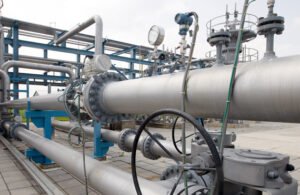
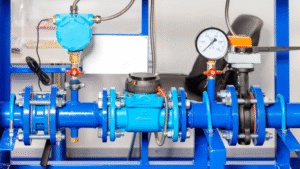
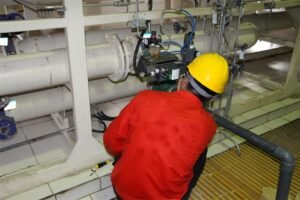
In today’s industrial landscape, the reliability of essential components is more than a maintenance concern—it’s a business imperative. Critical asset valve monitoring has become a cornerstone for plants and facilities aiming to achieve zero unplanned downtime. By tracking the health and performance of vital valves, organizations can prevent costly failures, maintain safety standards, and optimize operational efficiency.
Modern process industries—from oil and gas to pharmaceuticals—depend on the seamless operation of valves to control flow, pressure, and safety. Even a single undetected valve malfunction can disrupt production, compromise product quality, or trigger environmental and safety incidents. As a result, the adoption of advanced monitoring solutions is accelerating, enabling teams to move from reactive repairs to proactive, data-driven maintenance.

For those seeking to enhance their approach, exploring valve monitoring instrumentation tools offers practical insights into the latest technologies supporting precision control and reliability.
Why Proactive Valve Health Management Matters
The consequences of valve failures extend far beyond immediate repair costs. In critical environments, an undetected issue can halt production lines, damage equipment, or even pose safety hazards. Proactive critical asset valve monitoring empowers teams to:
- Detect anomalies early: Identify wear, leaks, or blockages before they escalate.
- Reduce unplanned downtime: Schedule maintenance based on real-time condition data, not just fixed intervals.
- Optimize asset lifespan: Prevent premature failures and extend the service life of high-value valves.
- Improve safety and compliance: Ensure valves perform reliably in safety-critical applications.
Core Technologies Behind Modern Valve Monitoring
Today’s monitoring systems combine advanced sensors, data analytics, and connectivity to deliver actionable insights. Key components include:
- Position sensors: Track valve open/close status and partial movements for early detection of sticking or incomplete cycles.
- Pressure and flow sensors: Monitor process variables to identify abnormal operating conditions linked to valve degradation.
- Acoustic and vibration analysis: Detect subtle changes in sound or movement patterns that signal internal wear or leaks.
- Wireless communication: Enable remote monitoring and integration with plant-wide asset management platforms.
For a deeper dive into how these technologies are implemented, see industrial valve monitoring solutions for process industries, which outlines real-world applications and benefits.
Integrating Data Analytics for Predictive Maintenance
The real power of critical asset valve monitoring lies in transforming raw sensor data into predictive insights. By applying analytics and machine learning, organizations can:
- Identify patterns that precede failures, such as increased cycle times or abnormal pressure drops.
- Forecast remaining useful life for each valve, enabling just-in-time maintenance.
- Automate alerts and work orders, reducing manual oversight and response times.
Leveraging valve anomaly prediction models can help maintenance teams shift from reactive troubleshooting to a proactive, reliability-centered approach.
Industry Applications and Use Cases
Critical asset valve monitoring is especially vital in sectors where safety, environmental protection, and uptime are non-negotiable. Some notable applications include:
- Oil and gas: Monitoring emergency shutdown and isolation valves to prevent spills and explosions.
- Pharmaceuticals: Ensuring sterile and precise flow control in manufacturing processes. For sector-specific solutions, see valve monitoring in pharmaceuticals.
- Mining: Managing slurry and chemical valves in abrasive, high-pressure environments. Learn more about valve monitoring in mining industry for tailored approaches.
- Water treatment: Preventing leaks and ensuring regulatory compliance in municipal and industrial plants.
Best Practices for Implementing Valve Monitoring Programs
To maximize the value of a monitoring initiative, consider these best practices:
- Asset criticality assessment: Prioritize valves whose failure would have the greatest operational or safety impact.
- Standardize data collection: Use consistent sensor types and protocols for easier integration and analysis.
- Integrate with existing systems: Connect monitoring data to your plant’s control and maintenance management platforms.
- Train staff: Ensure operators and technicians understand how to interpret data and respond to alerts.
- Review and refine: Regularly analyze performance data to improve detection algorithms and maintenance strategies.
For organizations seeking to extract even deeper insights, valve performance data analytics can reveal trends and root causes that inform long-term reliability improvements.
Challenges and Future Trends
While the benefits are clear, implementing critical asset valve monitoring at scale comes with challenges:
- Legacy infrastructure: Older plants may lack the connectivity or sensor-ready valves needed for modern monitoring.
- Data overload: Managing and interpreting large volumes of sensor data requires robust analytics tools and skilled personnel.
- Cybersecurity: As monitoring systems become more connected, protecting sensitive operational data is essential.
Looking ahead, the integration of artificial intelligence, edge computing, and digital twins promises even greater predictive power and automation. As these technologies mature, the vision of zero-failure operations becomes increasingly attainable.
Frequently Asked Questions
What types of valves benefit most from critical monitoring?
Valves that are essential to safety, environmental protection, or continuous production—such as emergency shutdown, isolation, and control valves—should be prioritized for advanced monitoring. These components often operate in harsh conditions and have the highest risk and consequence of failure.
How does valve monitoring reduce maintenance costs?
By providing real-time condition data, monitoring systems enable maintenance teams to address issues before they cause breakdowns. This reduces emergency repairs, extends asset life, and allows for scheduled interventions, all of which lower overall maintenance expenses.
Can monitoring systems be retrofitted to existing valves?
Yes, many modern sensors and wireless solutions are designed for retrofit applications. While integration is easier with newer valves, legacy assets can often be upgraded with minimal disruption, allowing facilities to benefit from enhanced monitoring without a full system overhaul.
Conclusion
Adopting a robust critical asset valve monitoring strategy is essential for organizations aiming to eliminate unplanned downtime and achieve operational excellence. By leveraging advanced sensors, analytics, and best practices, teams can detect issues early, optimize maintenance, and safeguard both productivity and safety. As technology continues to evolve, the path to zero-failure operations becomes clearer and more achievable for every industry.