
In modern industrial environments, the efficiency and reliability of process control systems are critical for productivity, safety, and cost management. Control valve monitoring solutions have become essential tools for operators seeking to optimise plant performance and reduce unplanned downtime. By leveraging real-time data, advanced diagnostics, and predictive analytics, these technologies enable proactive maintenance and smarter decision-making.
As industries move towards digital transformation, integrating robust valve monitoring systems is no longer optional. Whether in oil and gas, chemical processing, power generation, or water treatment, the ability to monitor, analyse, and respond to valve performance issues can make a significant difference in operational outcomes. For those interested in exploring the latest instrumentation tools, valve monitoring instrumentation tools offer a comprehensive overview of precision control technologies.
Understanding the Role of Valve Monitoring in Process Industries
Valves are the backbone of fluid handling systems, regulating flow, pressure, and temperature across complex networks. Any deviation in their performance can lead to process inefficiencies, safety hazards, or equipment damage. This is where control valve monitoring solutions come into play, providing continuous oversight and actionable insights.
Traditional maintenance approaches often rely on scheduled inspections or reactive repairs after a failure occurs. In contrast, modern monitoring systems use sensors and digital platforms to track valve health in real time. This shift from reactive to predictive maintenance helps reduce operational risks and maintenance costs.
Key Features of Advanced Valve Monitoring Technologies
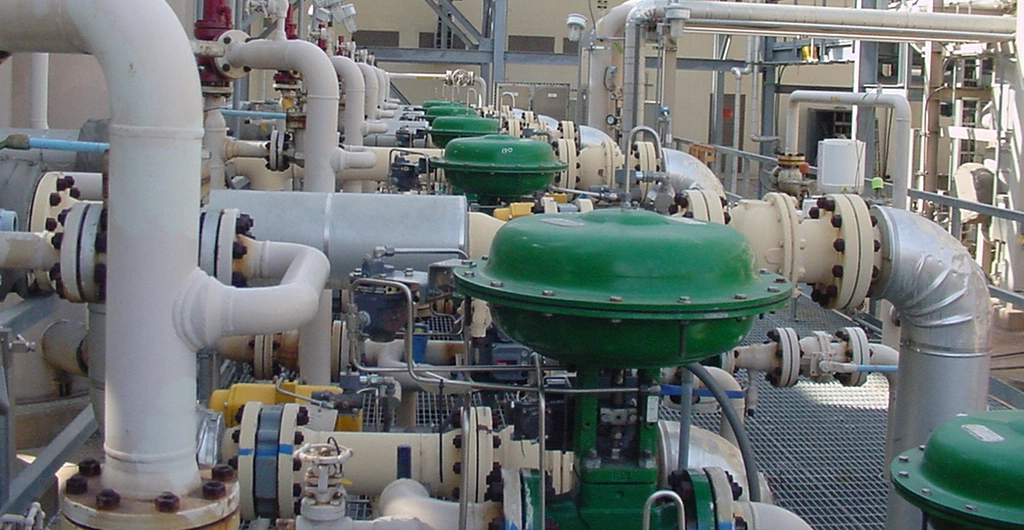
The latest generation of control valve monitoring solutions offers a range of features designed to maximise process uptime and asset longevity. Some of the most important capabilities include:
- Real-time data acquisition: Sensors collect information on valve position, pressure, temperature, and vibration, enabling instant detection of anomalies.
- Predictive diagnostics: Advanced analytics identify early signs of wear, leakage, or calibration drift, allowing maintenance teams to intervene before failures occur.
- Remote monitoring: Operators can access valve status and performance metrics from any location, improving response times and reducing the need for manual inspections.
- Integration with plant control systems: Seamless connectivity with distributed control systems (DCS) and supervisory control and data acquisition (SCADA) platforms ensures that monitoring data is actionable and accessible.
- Automated reporting: Customisable dashboards and reports help teams track trends, compliance, and maintenance history.
For a deeper dive into how analytics can transform maintenance strategies, the article on advanced valve analytics systems explores data-driven approaches in detail.
Benefits of Implementing Valve Monitoring Solutions
Adopting a comprehensive valve monitoring strategy delivers measurable benefits across the plant lifecycle. These advantages extend beyond simple fault detection and include:
- Reduced unplanned downtime: Early warning of valve degradation or failure allows for scheduled repairs, minimising costly interruptions.
- Optimised process efficiency: Well-maintained valves operate closer to design specifications, improving throughput and product quality.
- Lower maintenance costs: Predictive maintenance reduces the need for emergency repairs and extends the service life of critical assets.
- Enhanced safety: Timely detection of leaks or malfunctions helps prevent hazardous incidents and environmental releases.
- Regulatory compliance: Automated record-keeping and diagnostics support adherence to industry standards and audit requirements.
Types of Valve Monitoring Systems and Their Applications
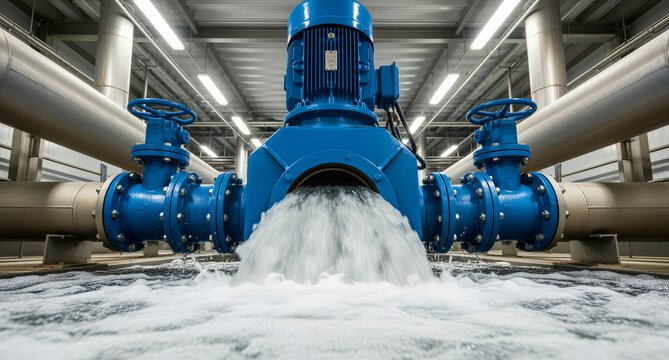
There are several categories of monitoring systems, each suited to different operational needs and budgets. Understanding these options can help organisations select the right solution for their process environment.
On-site Monitoring Devices
These systems use wired or wireless sensors installed directly on valves to gather data. They are ideal for critical assets in hazardous or hard-to-reach locations, providing continuous feedback without manual intervention.
Cloud-Based Monitoring Platforms
Cloud-enabled solutions aggregate data from multiple sites, offering centralised visibility and advanced analytics. This approach is particularly useful for enterprises managing distributed assets or seeking to implement remote operations.
Integrated Analytics and Diagnostic Tools
Some platforms combine monitoring with sophisticated diagnostic algorithms, helping teams not only detect issues but also understand root causes and prioritise maintenance actions. For more on predictive models, see the resource on valve anomaly prediction models.
Best Practices for Deploying Valve Monitoring in Industrial Plants
To maximise the return on investment from monitoring technologies, organisations should follow a structured deployment strategy:
- Assess critical assets: Identify valves whose failure would have the greatest impact on safety, production, or compliance.
- Define monitoring objectives: Set clear goals for what you want to achieve, such as reducing downtime, improving reliability, or meeting regulatory requirements.
- Choose scalable solutions: Select systems that can grow with your facility and integrate with existing infrastructure.
- Train personnel: Ensure that operators and maintenance teams understand how to interpret data and respond to alerts.
- Review and optimise: Regularly analyse monitoring results to refine maintenance schedules and improve processes.
For facilities seeking comprehensive plant-wide coverage, the article on valve monitoring industrial solutions provides insights into scalable deployment strategies.
Challenges and Considerations in Valve Monitoring Implementation
While the benefits are clear, implementing a monitoring program is not without challenges. Common obstacles include:
- Integration with legacy systems: Older equipment may lack digital interfaces, requiring retrofitting or custom solutions.
- Data management: Large volumes of sensor data must be stored, analysed, and protected, raising concerns about cybersecurity and data integrity.
- Cost justification: Upfront investment in hardware and software must be balanced against long-term savings and risk reduction.
- Change management: Shifting from reactive to predictive maintenance requires cultural and procedural adjustments within maintenance teams.
To address these challenges, collaboration with experienced solution providers and a phased implementation plan can help ensure a smooth transition.
Emerging Trends in Valve Monitoring and Diagnostics
The field of valve monitoring continues to evolve, driven by advances in sensor technology, connectivity, and artificial intelligence. Some notable trends include:
- Machine learning-powered diagnostics: AI algorithms can detect subtle patterns in valve behaviour, enabling earlier and more accurate fault detection.
- Wireless sensor networks: Improved battery life and communication protocols make it easier to monitor assets in remote or hazardous areas.
- Edge computing: Processing data closer to the source reduces latency and bandwidth requirements, supporting real-time decision-making.
- Integration with smart infrastructure: As plants adopt Industry 4.0 principles, valve monitoring becomes part of a broader ecosystem of connected devices and systems. For more on this topic, see valve monitoring smart infrastructure.
For those seeking a technical overview of diagnostics, the comprehensive glossary of control valve diagnostics explains key concepts and terminology in the field.
Frequently Asked Questions
What are the main benefits of using control valve monitoring solutions?
The primary benefits include reduced unplanned downtime, improved process efficiency, lower maintenance costs, enhanced safety, and easier regulatory compliance. By providing real-time insights and predictive diagnostics, these systems help operators address issues before they escalate.
How do monitoring solutions integrate with existing plant systems?
Most modern monitoring platforms are designed to interface with distributed control systems (DCS), SCADA, and other automation infrastructure. This integration allows for seamless data sharing and centralised management, making it easier to act on monitoring insights.
Are these solutions suitable for all types of industrial valves?
While most monitoring systems are compatible with a wide range of valve types and brands, some legacy equipment may require additional sensors or retrofitting. It’s important to assess the specific requirements of your facility and consult with solution providers for optimal compatibility.