The industrial landscape is rapidly evolving as digital transformation takes hold across sectors like oil and gas, water treatment, chemical processing, and manufacturing. One of the most significant advancements is the adoption of cloud based valve monitoring platforms, which empower organizations to oversee critical assets from virtually anywhere. These solutions leverage cloud computing, IoT sensors, and advanced analytics to provide real-time visibility into valve performance, health, and status—enabling faster response, improved safety, and optimized maintenance.
As remote operations become the norm, the need for reliable, scalable, and secure monitoring tools has never been greater. By integrating smart valve monitoring systems with cloud infrastructure, companies can reduce downtime, minimize manual inspections, and make data-driven decisions that enhance operational efficiency. For those seeking a deeper dive into instrumentation and precision control, resources like valve monitoring instrumentation tools offer valuable insights into the latest technologies shaping this space.

How Remote Valve Oversight Works in Modern Industry
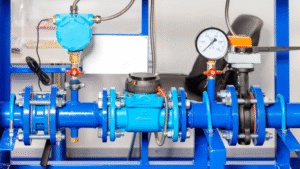
Remote oversight of industrial valves is made possible by a combination of IoT-enabled sensors, edge devices, and secure cloud connectivity. Sensors attached to valves continuously collect data on parameters such as position, pressure, temperature, and flow. This information is transmitted to cloud servers, where it is aggregated, analyzed, and visualized through intuitive dashboards.
Operators and maintenance teams can access these dashboards from any internet-connected device, allowing them to monitor valve status in real time, receive alerts for abnormal conditions, and track performance trends over time. This approach not only reduces the need for on-site inspections but also supports predictive maintenance strategies, helping organizations avoid costly failures and unplanned downtime.
Key Features of Cloud Based Valve Monitoring Platforms
Modern cloud based valve monitoring platforms are designed to deliver a robust set of features that address the unique needs of industrial environments. Some of the most valuable capabilities include:
- Real-time data acquisition: Continuous monitoring of valve parameters ensures that any deviation from normal operation is detected instantly.
- Remote access and control: Authorized users can view valve status, historical data, and analytics from anywhere, improving responsiveness and flexibility.
- Automated alerts and notifications: The system sends instant alerts via email, SMS, or app notifications when predefined thresholds are breached, enabling rapid intervention.
- Predictive analytics: Advanced algorithms analyze historical and real-time data to predict potential failures, supporting proactive maintenance planning.
- Integration with enterprise systems: Many platforms offer APIs or connectors for seamless integration with SCADA, ERP, and asset management systems.
- Scalability and security: Cloud infrastructure allows organizations to scale monitoring across multiple sites while maintaining robust cybersecurity protocols.
For organizations looking to further enhance their data-driven maintenance strategies, exploring advanced valve analytics systems can provide additional value through deeper insights and actionable intelligence.
Benefits of Adopting Cloud-Enabled Valve Monitoring Solutions
The shift to cloud-based remote monitoring brings a range of tangible benefits for industrial operators:
- Reduced downtime: Early detection of valve issues allows for timely intervention, minimizing production interruptions.
- Lower maintenance costs: Predictive maintenance reduces unnecessary manual inspections and extends asset life.
- Enhanced safety: Real-time alerts help prevent hazardous situations by enabling quick response to abnormal conditions.
- Improved compliance: Automated data logging supports regulatory reporting and audit readiness.
- Operational efficiency: Centralized dashboards streamline monitoring across multiple sites and assets.
- Scalable deployment: Cloud solutions can be rolled out rapidly, supporting expansion and modernization initiatives.
These advantages make remote valve oversight an essential component of digital transformation strategies in process industries. For a broader perspective on how these solutions fit into modern plant operations, consider reviewing valve monitoring industrial solutions that address the needs of large-scale facilities.
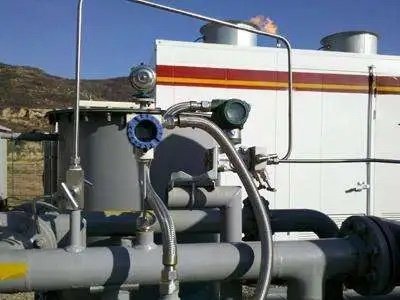
Integration and Data Management in Remote Valve Monitoring
A critical aspect of deploying cloud based valve monitoring platforms is seamless integration with existing plant systems and effective data management. Many solutions offer standardized protocols and APIs that facilitate connectivity with SCADA, DCS, and ERP platforms. This integration enables centralized data aggregation, cross-system analytics, and smarter planning.
For example, leveraging valve monitoring integration with ERP can help organizations align maintenance schedules with production planning, optimize spare parts inventory, and improve resource allocation. The result is a more cohesive and efficient operation, with data-driven decision-making at its core.
Data security and privacy are also paramount. Leading providers implement robust encryption, access controls, and compliance measures to protect sensitive operational data in the cloud. Regular audits and updates ensure that the platform remains resilient against evolving cyber threats.
Choosing the Right Remote Valve Monitoring Solution
Selecting the best platform for your facility involves evaluating several factors:
- Compatibility: Ensure the solution supports your existing valve types, sensors, and communication protocols.
- Scalability: Opt for platforms that can grow with your operations, supporting additional assets and sites as needed.
- User experience: Look for intuitive dashboards and customizable reports that make it easy for teams to interpret data and take action.
- Support and training: Reliable vendor support and comprehensive training resources are essential for successful adoption.
- Integration capabilities: The ability to connect with other plant systems maximizes the value of your investment.
Industry leaders such as Westlock Controls’ valve monitoring solutions for process industries demonstrate the importance of robust, field-proven technology and a strong support network.
Future Trends in Cloud-Enabled Valve Oversight
The evolution of remote valve monitoring is closely tied to broader trends in industrial automation and digitalization. Key developments to watch include:
- AI-driven analytics: Machine learning algorithms will further enhance predictive maintenance and anomaly detection.
- Edge computing: Processing data closer to the source reduces latency and bandwidth requirements, enabling faster response times.
- 5G connectivity: High-speed, low-latency networks will support more reliable and scalable remote monitoring, especially in distributed environments.
- Integration with smart infrastructure: As plants become more connected, platforms will play a central role in enabling autonomous operations and smart decision-making. For more on this, see valve monitoring for smart industrial infrastructure.
These innovations will continue to drive efficiency, safety, and sustainability across industries that rely on critical valve assets.
Frequently Asked Questions
What types of valves can be monitored using cloud-based platforms?
Most modern solutions support a wide range of valve types, including ball, butterfly, gate, globe, and control valves. Compatibility with both legacy and smart valves is common, provided appropriate sensors and communication modules are installed.
How secure is data transmission in remote valve monitoring systems?
Leading platforms use end-to-end encryption, secure authentication, and regular security audits to protect data. Cloud providers also offer robust physical and network security measures to safeguard sensitive operational information.
Can these platforms integrate with existing plant management systems?
Yes, many cloud-based monitoring solutions offer APIs and standardized protocols for seamless integration with SCADA, DCS, ERP, and asset management systems. This enables centralized data management and supports smarter planning and maintenance.