Industrial operations rely heavily on the smooth functioning of valves to control the flow of liquids and gases. When a valve fails or begins to degrade, the consequences can range from minor process inefficiencies to major safety hazards and costly downtime. Valve monitoring alerts systems have become essential in modern plants, providing early warnings and actionable insights to prevent failures before they escalate.
These advanced solutions use a combination of sensors, analytics, and real-time notifications to detect abnormal valve behavior. By integrating such alert systems, facilities can shift from reactive maintenance to a more predictive approach, reducing unplanned outages and improving overall reliability. For organizations seeking to optimize their maintenance strategies, understanding the capabilities and benefits of these monitoring technologies is crucial.

For those interested in exploring the hardware and software behind these solutions, our resource on valve monitoring instrumentation tools provides a deeper look at the precision control technologies enabling accurate fault detection.
How Valve Monitoring Alerts Systems Work
Modern valve monitoring alerts systems are designed to continuously track the status and performance of valves across various industrial environments. These systems typically include a network of sensors that measure parameters such as position, pressure, temperature, vibration, and flow rate. Data collected from these sensors is transmitted to a central processing unit or cloud-based analytics platform.
The core function of these solutions is to analyze real-time data and compare it against predefined thresholds or historical performance patterns. When anomalies are detected—such as unexpected pressure drops, slow actuation, or excessive vibration—the system generates an alert. Notifications can be sent via email, SMS, or integrated directly into plant control systems, allowing maintenance teams to respond quickly.
Some advanced platforms leverage machine learning algorithms to improve fault detection accuracy over time. By learning from past incidents and normal operating conditions, these systems can reduce false positives and provide more targeted maintenance recommendations.
Key Benefits of Early Fault Notification
Implementing early warning systems for valve faults offers several tangible advantages for industrial operators:
- Reduced Downtime: Early alerts enable maintenance teams to address issues before they cause process interruptions, minimizing unplanned shutdowns.
- Enhanced Safety: Timely detection of valve failures helps prevent hazardous situations, such as leaks or over-pressurization, protecting both personnel and equipment.
- Lower Maintenance Costs: By identifying problems early, facilities can plan repairs during scheduled maintenance windows, reducing emergency repair expenses and extending valve life.
- Improved Regulatory Compliance: Many industries are subject to strict safety and environmental regulations. Automated monitoring helps ensure compliance by providing auditable records of valve performance and maintenance actions.
- Optimized Asset Management: Continuous monitoring supports data-driven decision-making, allowing operators to prioritize maintenance based on actual valve condition rather than fixed schedules.
These benefits are especially significant in sectors such as oil and gas, chemical processing, water treatment, and power generation, where valve reliability is critical to safe and efficient operations.
Core Features of Advanced Alert Solutions
Not all valve monitoring alerts systems offer the same level of functionality. When evaluating solutions, consider the following core features:
- Real-Time Data Acquisition: Continuous sensor data collection ensures that any deviations from normal operation are detected immediately.
- Customizable Alert Thresholds: Operators can define specific parameters for each valve, tailoring notifications to the unique requirements of their process.
- Integration Capabilities: Leading platforms support integration with SCADA, DCS, and enterprise asset management systems, streamlining workflows and centralizing information.
- Remote Access: Cloud-based dashboards and mobile notifications allow teams to monitor valve health from anywhere, facilitating rapid response even outside normal working hours.
- Historical Data Analysis: Storing and analyzing past performance data helps identify trends, predict future failures, and optimize maintenance schedules.
For a deeper dive into how analytics can transform maintenance strategies, see our article on advanced valve analytics systems.
Implementation Considerations for Industrial Facilities
Adopting a valve monitoring alerts system involves several important considerations to ensure a successful rollout:
- Compatibility: Assess whether the chosen solution supports the types and brands of valves installed in your facility.
- Scalability: Ensure the system can accommodate future expansion, including additional sensors or integration with new process lines.
- Cybersecurity: As monitoring systems become more connected, robust security measures are essential to protect sensitive operational data.
- Training: Maintenance and operations staff should be trained to interpret alerts and use the monitoring platform effectively.
- Cost-Benefit Analysis: Evaluate the total cost of ownership, including hardware, software, installation, and ongoing support, against the potential savings from reduced downtime and maintenance costs.
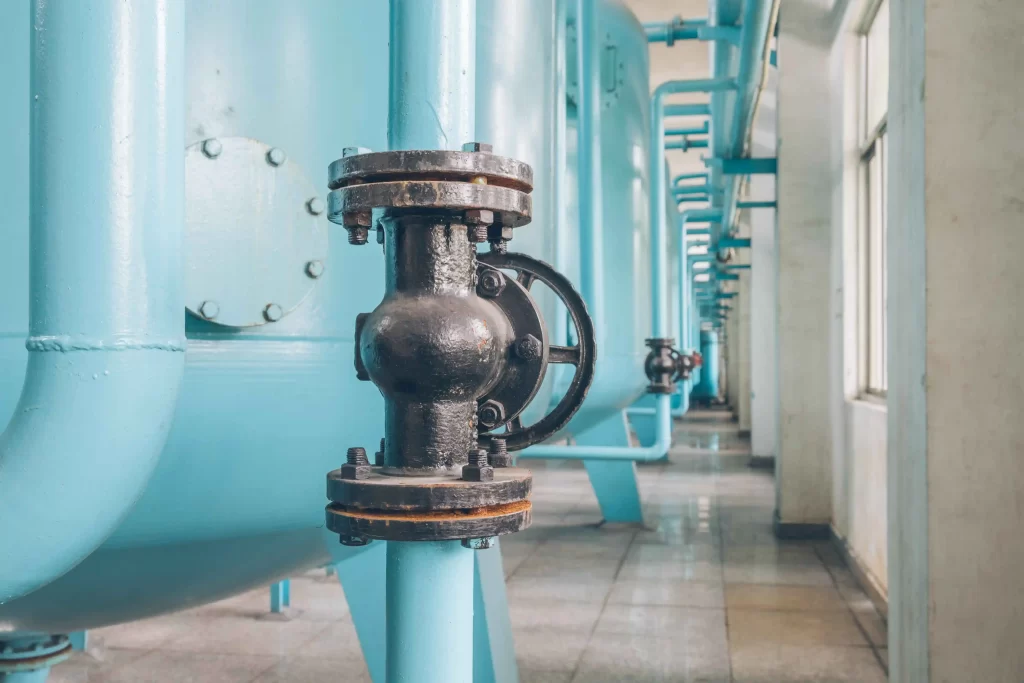
Facilities that have successfully implemented these solutions often report improved reliability and a measurable reduction in unplanned outages. For more information on scalable solutions, visit our resource on valve monitoring industrial solutions.
Integration with Broader Plant Systems
A key strength of modern valve monitoring alerts systems is their ability to integrate with other plant automation and management platforms. Seamless integration with SCADA, DCS, and ERP systems enables a holistic view of plant health and streamlines maintenance workflows.
For example, by linking valve alerts with enterprise resource planning, maintenance tasks can be automatically scheduled and tracked, ensuring that critical issues are addressed promptly. This approach supports smarter planning and resource allocation, as discussed in our article on valve monitoring integration with ERP.
Additionally, integration with smart infrastructure initiatives allows facilities to leverage IoT technologies for even greater visibility and control. Learn more about this trend in our overview of valve monitoring smart infrastructure.
Industry Applications and Use Cases
Valve monitoring alerts systems are widely used across a range of industries, each with unique requirements and challenges:
- Oil & Gas: Early detection of leaks or blockages in pipelines and refineries prevents environmental incidents and costly shutdowns.
- Chemical Processing: Continuous monitoring ensures process safety and product quality by maintaining precise control over critical valves.
- Water & Wastewater: Automated alerts help utilities maintain service continuity and comply with regulatory standards for water quality and safety.
- Power Generation: Monitoring valves in boilers, turbines, and cooling systems supports reliable energy production and reduces the risk of catastrophic failures.
In all these sectors, the ability to receive timely notifications and act before a minor issue becomes a major problem is a significant competitive advantage.
Choosing the Right Solution Provider
Selecting a reliable partner is essential for maximizing the benefits of valve monitoring alerts systems. Look for vendors with proven experience in your industry and a track record of successful deployments. Key factors to consider include:
- Comprehensive Support: From system design and installation to ongoing technical assistance, strong support ensures long-term success.
- Customizable Solutions: The ability to tailor monitoring and alerting features to your facility’s specific needs is critical.
- Demonstrated ROI: Ask for case studies or references that demonstrate measurable improvements in uptime, safety, and maintenance efficiency.
For a detailed look at diagnostic and monitoring technologies, see this overview of valve diagnostics and monitoring systems.
Frequently Asked Questions
What types of faults can valve monitoring alert systems detect?
These systems can identify a wide range of issues, including leaks, blockages, actuator failures, excessive vibration, and deviations in pressure or temperature. Advanced analytics can also detect gradual performance degradation, enabling predictive maintenance.
How do these alert systems reduce maintenance costs?
By providing early warnings, monitoring solutions allow maintenance teams to address problems before they escalate. This proactive approach reduces emergency repairs, extends the lifespan of valves, and helps schedule maintenance during planned shutdowns, all of which contribute to lower overall costs.
Can valve monitoring alerts be integrated with existing plant control systems?
Yes, most modern solutions are designed for compatibility with SCADA, DCS, and ERP platforms. Integration enables centralized monitoring, automated work order generation, and improved coordination between operations and maintenance teams.