
Industrial facilities rely on valves to control the flow of liquids and gases, making them essential for safe and efficient operations. Over time, these components face wear, corrosion, and other forms of degradation that can lead to failures or costly downtime. Valve lifecycle monitoring tools have become indispensable for organizations aiming to extend asset life, reduce maintenance costs, and ensure process reliability.
Modern monitoring technologies provide real-time insights into valve health, performance trends, and potential failure points. By leveraging these solutions, maintenance teams can shift from reactive repairs to proactive strategies, minimizing unexpected breakdowns and maximizing return on investment. For organizations seeking to optimize their valve management approach, understanding the available monitoring options and their benefits is crucial.
To further enhance precision and control, many facilities are integrating valve monitoring instrumentation tools into their workflows. These advanced solutions complement lifecycle monitoring by providing detailed diagnostics and supporting predictive maintenance initiatives.
Understanding Valve Lifecycle Monitoring Solutions
Valve lifecycle monitoring tools encompass a range of technologies designed to track the condition, performance, and usage patterns of valves throughout their operational life. These systems typically collect data on parameters such as position, temperature, pressure, vibration, and cycle counts. By analyzing this information, operators can detect early signs of wear or malfunction, schedule maintenance at optimal intervals, and avoid unnecessary replacements.
Key components of a comprehensive monitoring setup include:
- Sensors for detecting valve position, pressure, and temperature changes
- Data loggers to record operational cycles and environmental conditions
- Analytics platforms that interpret sensor data to provide actionable insights
- Integration capabilities with existing plant management or ERP systems
Benefits of Proactive Valve Health Tracking
Implementing a robust monitoring strategy delivers significant advantages for asset management and operational efficiency:
- Extended asset life: Early detection of issues allows for timely intervention, reducing wear and prolonging valve service life.
- Reduced downtime: Predictive alerts help prevent unplanned outages by addressing problems before they escalate.
- Lower maintenance costs: Maintenance can be scheduled based on actual valve condition rather than fixed intervals, minimizing unnecessary labor and parts replacement.
- Improved safety: Monitoring critical valves reduces the risk of hazardous leaks or failures, supporting compliance with industry regulations.
- Data-driven decision making: Historical and real-time data empower teams to make informed choices about repairs, upgrades, or replacements.
Types of Valve Lifecycle Monitoring Tools
There are several categories of monitoring solutions available, each suited to different operational needs and environments:
1. On-site Condition Monitoring Devices
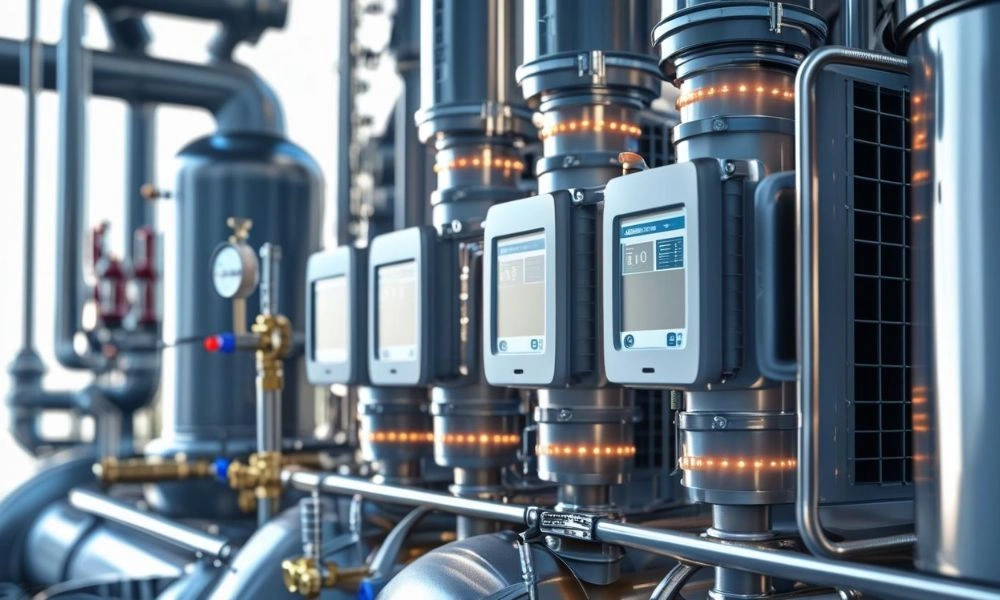
These devices are installed directly on or near valves to provide continuous feedback on their status. Common examples include vibration sensors, pressure transducers, and temperature probes. On-site tools are ideal for critical assets where real-time data is essential for safety and uptime.
2. Remote and Wireless Monitoring Systems
Wireless technologies enable remote tracking of valve health, especially in hard-to-reach or hazardous locations. These systems transmit data to centralized dashboards, allowing maintenance teams to oversee multiple assets across large facilities or distributed sites.
3. Advanced Analytics and Predictive Maintenance Platforms
By combining sensor data with machine learning algorithms, these platforms can identify patterns that indicate impending failures. Predictive maintenance solutions help organizations move beyond scheduled servicing, focusing resources where they are needed most.
For a deeper dive into data-driven maintenance, consider exploring advanced valve analytics systems that offer comprehensive reporting and integration with plant management software.
Integrating Monitoring Tools with Plant Systems
To maximize the value of lifecycle tracking, it is essential to integrate monitoring data with broader plant management or enterprise resource planning (ERP) systems. This integration enables seamless scheduling of maintenance, inventory management, and performance reporting.
Solutions such as valve monitoring integration with ERP allow organizations to automate workflows, improve resource allocation, and ensure that critical information is accessible to all relevant stakeholders.
Best Practices for Asset Longevity
To achieve the full benefits of valve lifecycle monitoring, organizations should follow these best practices:
- Assess criticality: Identify which valves are most vital to operations and prioritize them for monitoring.
- Standardize data collection: Use consistent metrics and formats to enable effective analysis and comparison over time.
- Train personnel: Ensure that maintenance teams understand how to interpret monitoring data and respond to alerts.
- Review and refine: Regularly evaluate monitoring processes and update them based on operational feedback and technological advancements.
Facilities that adopt a continuous improvement mindset and leverage the latest monitoring innovations are better positioned to extend asset life and reduce total cost of ownership.
Industry Applications and Case Studies
Valve lifecycle monitoring tools are used across a variety of sectors, including oil and gas, water treatment, power generation, and manufacturing. For instance, in compressor systems, monitoring suction and discharge valves can prevent catastrophic failures and optimize energy use. A detailed discussion of such applications can be found in this article on reciprocating compressor valve monitoring.
In water treatment plants, smart monitoring solutions help ensure regulatory compliance and minimize water loss. Manufacturing facilities benefit from reduced downtime and improved product quality by maintaining optimal valve performance.
Choosing the Right Monitoring Solution
Selecting the most suitable monitoring approach depends on several factors:
- Valve type and criticality: High-value or safety-critical valves may justify more advanced monitoring systems.
- Environmental conditions: Harsh or remote environments may require ruggedized or wireless solutions.
- Integration needs: Consider compatibility with existing plant automation and data management platforms.
- Budget and scalability: Balance initial investment with long-term savings from reduced maintenance and extended asset life.
Consulting with solution providers and reviewing case studies can help organizations make informed decisions tailored to their operational goals.
Frequently Asked Questions
What are the main benefits of using valve lifecycle monitoring tools?
These solutions help organizations extend the life of their valves, reduce unplanned downtime, lower maintenance costs, and improve overall plant safety. By providing real-time and historical data, they enable proactive maintenance and informed decision-making.
How do monitoring tools detect valve problems before failure?
Sensors and analytics platforms track parameters such as vibration, pressure, temperature, and cycle counts. By identifying deviations from normal patterns, these tools can alert maintenance teams to issues like wear, leaks, or misalignment before they result in failure.
Can monitoring systems be integrated with other plant management software?
Yes, many modern solutions offer integration with plant management, SCADA, or ERP systems. This allows for automated maintenance scheduling, centralized data analysis, and improved resource planning.
Conclusion
Adopting valve lifecycle monitoring tools is a strategic move for any facility aiming to maximize asset longevity and operational efficiency. By leveraging real-time data, advanced analytics, and seamless integration with plant systems, organizations can transition from reactive maintenance to a proactive, data-driven approach. As technology continues to evolve, those who invest in comprehensive monitoring solutions will be better equipped to meet the challenges of modern industrial operations and achieve sustainable success.