
Modern industrial facilities rely on a complex network of valves to regulate the flow of liquids, gases, and other materials. Ensuring these components operate efficiently and safely is crucial for maintaining productivity, reducing downtime, and preventing costly failures. Industrial valve monitoring systems have emerged as a vital solution, providing real-time insights into valve health, performance, and status. By leveraging advanced sensors, analytics, and connectivity, these systems help plants optimize operations and achieve higher levels of reliability.
As industries move toward digital transformation, the adoption of smart monitoring technologies is accelerating. Whether in oil and gas, chemical processing, water treatment, or power generation, the ability to continuously track valve conditions can make a significant difference in operational efficiency and safety. For those seeking to enhance precision and control, exploring valve monitoring instrumentation tools is a practical first step toward smarter plant management.
Understanding Valve Monitoring in Industrial Settings
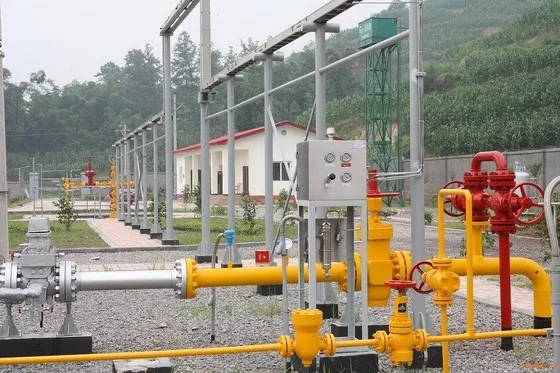
In large-scale facilities, valves are responsible for controlling process flows, isolating equipment, and ensuring safe operation. Manual inspection and maintenance can be time-consuming, error-prone, and often reactive. Industrial valve monitoring systems automate the collection of critical data, such as position, pressure, temperature, and vibration, enabling proactive maintenance and rapid response to anomalies.
These systems typically integrate with plant control networks, providing operators with dashboards and alerts that highlight potential issues before they escalate. By replacing guesswork with data-driven insights, organizations can schedule maintenance more effectively, reduce unplanned shutdowns, and extend the lifespan of their assets.
Key Features of Modern Valve Monitoring Solutions
Today’s monitoring platforms offer a range of features designed to meet the needs of diverse industrial environments. Some of the most important capabilities include:
- Real-time data acquisition: Sensors continuously gather information on valve position, torque, leakage, and environmental conditions.
- Predictive analytics: Advanced algorithms analyze trends and patterns, predicting failures before they occur.
- Remote access: Operators and maintenance teams can monitor and control valves from centralized or remote locations, improving response times.
- Integration with plant systems: Seamless connectivity with SCADA, DCS, and ERP platforms ensures data flows where it’s needed most.
- Automated alerts: Customizable notifications inform staff of abnormal conditions, enabling swift corrective action.
For organizations looking to take advantage of these features, exploring valve monitoring industrial solutions can provide a tailored approach to specific plant requirements.
Benefits of Implementing Valve Monitoring Technology
The adoption of industrial valve monitoring systems brings a host of benefits that directly impact plant performance and profitability:
- Reduced downtime: Early detection of wear, leaks, or malfunctions allows for planned interventions, minimizing unexpected outages.
- Improved safety: Continuous monitoring helps identify hazardous conditions, reducing the risk of accidents and environmental incidents.
- Lower maintenance costs: Predictive maintenance strategies reduce unnecessary inspections and extend the life of critical components.
- Enhanced compliance: Automated recordkeeping and reporting support regulatory requirements and audits.
- Optimized resource allocation: Maintenance teams can focus on valves that truly need attention, improving efficiency and reducing labor costs.
These advantages make monitoring technology an essential part of any modern plant’s digital transformation journey.
Integration and Data Management Considerations
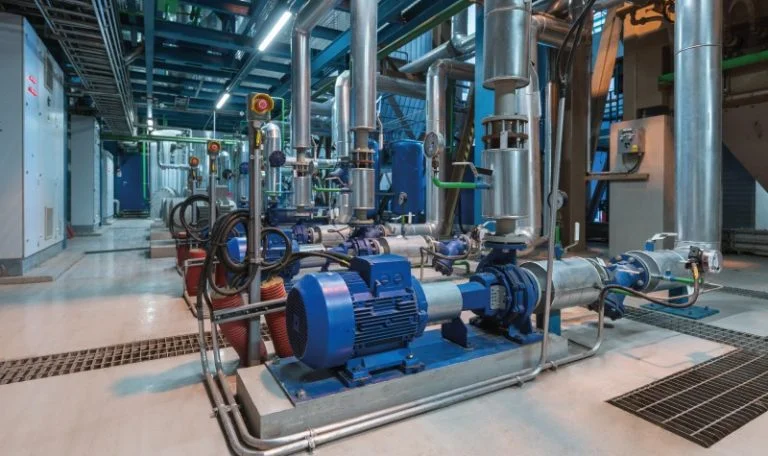
To maximize the value of monitoring investments, seamless integration with existing plant infrastructure is key. Many solutions are designed to work alongside legacy systems, providing a unified view of asset health across the facility. Data collected from valves can be combined with information from pumps, compressors, and other equipment for comprehensive asset management.
For organizations seeking to connect monitoring data with enterprise resource planning, valve monitoring integration with ERP enables smarter planning and resource allocation. This connectivity supports data-driven decision-making at every level of the organization.
Effective data management also involves ensuring cybersecurity, data integrity, and compliance with industry standards. Regular updates, secure communication protocols, and robust user authentication are essential for protecting sensitive operational information.
Choosing the Right Valve Monitoring System
Selecting the best monitoring solution depends on several factors, including plant size, process complexity, and specific operational goals. Key considerations include:
- Scalability: The system should accommodate future expansion and new technologies.
- Compatibility: Look for solutions that integrate easily with existing control and automation platforms.
- Ease of use: Intuitive interfaces and clear reporting make it easier for staff to adopt and utilize the system effectively.
- Support and training: Reliable vendor support and comprehensive training resources help ensure successful implementation and long-term value.
For plants with advanced analytics needs, exploring advanced valve analytics systems can unlock deeper insights and enable more sophisticated maintenance strategies.
Industry Trends and the Future of Valve Monitoring
The field of valve monitoring is evolving rapidly, driven by advances in the Industrial Internet of Things (IIoT), artificial intelligence, and cloud computing. Wireless sensors, edge computing, and machine learning are making it possible to gather and analyze vast amounts of data with minimal infrastructure changes.
As digital transformation accelerates, more plants are adopting smart infrastructure approaches. For a broader perspective on how these technologies are shaping modern facilities, consider reviewing resources on valve monitoring smart infrastructure.
Industry leaders are already seeing measurable improvements in efficiency, safety, and sustainability by embracing these innovations. According to expert insights on digital transformation in valve monitoring, the shift toward real-time, data-driven management is unlocking new levels of operational excellence.
Frequently Asked Questions
How do industrial valve monitoring systems improve plant reliability?
By providing continuous, real-time data on valve condition and performance, these systems enable early detection of issues and support predictive maintenance. This reduces the risk of unexpected failures and helps maintain consistent production levels.
What types of data do valve monitoring platforms collect?
Common data points include valve position, pressure, temperature, vibration, and leakage. Some advanced systems also track cycle counts, torque, and environmental conditions to provide a comprehensive view of valve health.
Can monitoring solutions be retrofitted to existing valves?
Yes, many modern monitoring devices are designed for easy installation on both new and existing valves. Wireless options and non-intrusive sensors allow for upgrades without major modifications to plant infrastructure.
What are the main challenges when implementing valve monitoring technology?
Challenges may include integrating with legacy systems, ensuring data security, and training staff to use new tools effectively. Working with experienced vendors and prioritizing user-friendly solutions can help overcome these obstacles.