
Efficient operation of water treatment facilities relies on the precise control and health of thousands of valves. These critical components regulate flow, pressure, and isolation throughout the plant, ensuring safe and reliable water processing. As water infrastructure ages and regulatory demands increase, valve monitoring in water treatment plants has become essential for optimizing performance, reducing downtime, and maintaining compliance.
Modern monitoring technologies offer plant operators real-time visibility into valve status, performance trends, and potential issues before they escalate. By adopting advanced solutions, facilities can move from reactive maintenance to a proactive, data-driven approach that extends equipment life and improves overall plant efficiency.
For plants seeking to enhance their monitoring capabilities, exploring valve monitoring instrumentation tools can provide a foundation for precision control and smarter maintenance strategies.
Why Valve Monitoring Is Critical in Water Treatment
Valves are the backbone of water treatment processes, managing everything from raw water intake to chemical dosing and distribution of treated water. Failures or malfunctions can lead to process interruptions, water quality issues, and costly emergency repairs. Implementing robust valve monitoring in water treatment plants helps operators:
- Detect leaks, blockages, or improper operation early
- Reduce unplanned downtime and emergency maintenance
- Optimize chemical dosing and process efficiency
- Maintain regulatory compliance and reporting accuracy
- Extend valve and actuator lifespan through timely interventions
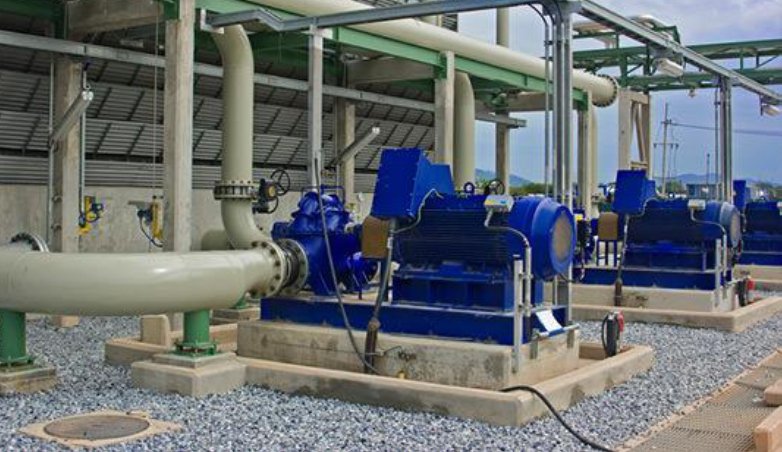
Without continuous monitoring, small issues can go unnoticed until they cause significant disruptions. This is especially true in large or aging facilities where manual inspections are time-consuming and prone to human error.
Key Technologies for Valve Monitoring in Water Treatment Plants
Today’s water treatment operators have access to a range of monitoring technologies that provide actionable insights into valve health and performance. Some of the most widely used solutions include:
- Position Sensors: Track whether valves are open, closed, or partially open, enabling remote verification of process states.
- Pressure and Flow Sensors: Monitor upstream and downstream conditions to detect abnormal operation or blockages.
- Acoustic and Vibration Sensors: Identify leaks, cavitation, or mechanical wear by analyzing sound and vibration signatures.
- Smart Actuators: Integrate diagnostics to monitor torque, cycle counts, and electrical consumption, providing early warning of mechanical issues.
- Wireless Sensor Networks: Allow for cost-effective retrofitting of existing valves, especially in hard-to-reach or hazardous areas.
Combining these technologies with centralized data platforms enables operators to visualize trends, set alarms, and automate maintenance scheduling.
Benefits of Real-Time Valve Monitoring for Water Facilities
Implementing real-time valve monitoring in water treatment plants delivers measurable benefits across operational, financial, and regulatory domains:
- Improved Reliability: Early detection of wear, leaks, or sticking prevents unexpected failures and process interruptions.
- Reduced Maintenance Costs: By shifting from reactive to predictive maintenance, plants can avoid unnecessary part replacements and labor expenses.
- Enhanced Safety: Automated alerts for abnormal conditions help prevent hazardous situations, such as chemical spills or over-pressurization.
- Regulatory Compliance: Accurate, time-stamped valve data supports reporting requirements and audit trails for water quality and safety standards.
- Resource Optimization: Data-driven insights enable more precise chemical dosing and energy use, reducing waste and environmental impact.
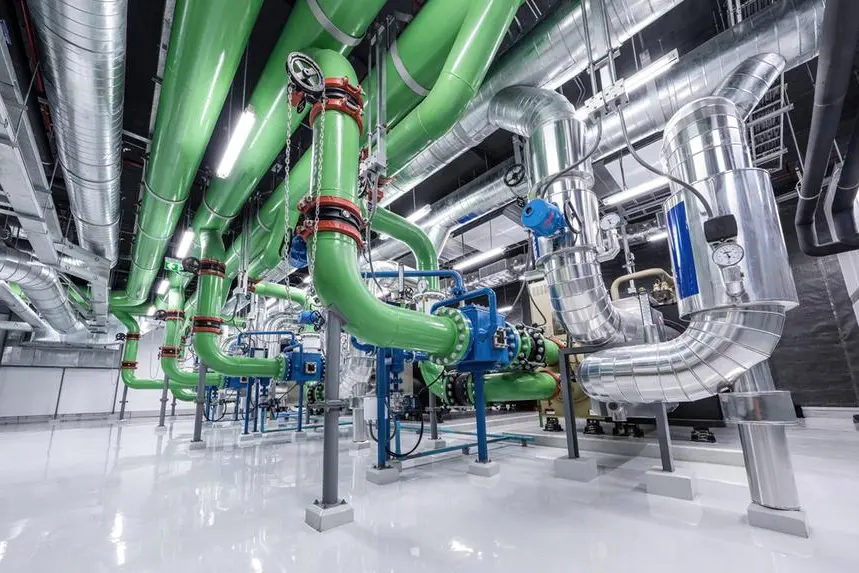
For plants looking to further leverage their monitoring investments, integrating advanced analytics can unlock even greater value. Learn more about advanced valve analytics systems for data-driven maintenance and optimization.
Integrating Valve Data with Plant Operations
The true power of monitoring comes from integrating valve data with broader plant control and management systems. By connecting sensors and smart actuators to SCADA, DCS, or cloud-based platforms, operators gain a unified view of plant health and can automate responses to emerging issues.
Key integration strategies include:
- Alarm Management: Configuring alerts for abnormal valve behavior, such as unexpected position changes or excessive cycle counts.
- Maintenance Workflows: Automatically generating work orders when diagnostic thresholds are crossed, streamlining repair processes.
- ERP Integration: Linking valve health data with enterprise resource planning systems for smarter inventory and maintenance planning. Explore more about valve monitoring integration with ERP for smarter planning.
- Remote Access: Enabling engineers and managers to view valve status and trends from any location, improving response times and collaboration.
With these integrations, water treatment plants can move toward fully digital, automated operations that maximize uptime and resource efficiency.
Best Practices for Implementing Monitoring Solutions
To ensure successful deployment of valve monitoring in water treatment plants, consider the following best practices:
- Assess Criticality: Prioritize monitoring for valves that are essential to safety, compliance, or process continuity.
- Choose Scalable Technologies: Select solutions that can be expanded plant-wide and integrate with existing control systems.
- Plan for Data Management: Establish protocols for data collection, storage, and analysis to avoid information overload.
- Train Staff: Ensure operators and maintenance teams understand how to interpret monitoring data and respond appropriately.
- Review and Optimize: Regularly evaluate system performance and update monitoring strategies as plant needs evolve.
For facilities seeking comprehensive solutions, reviewing industrial valve monitoring solutions for modern plants can help identify the right fit for specific operational requirements.
Challenges and Considerations
While the advantages are clear, deploying monitoring systems in water treatment environments presents unique challenges:
- Environmental Conditions: Sensors and electronics must withstand moisture, chemicals, and temperature extremes.
- Legacy Equipment: Retrofitting older valves may require custom solutions or wireless technologies.
- Cybersecurity: Protecting networked devices and data from unauthorized access is critical.
- Cost Justification: Demonstrating ROI through reduced downtime, maintenance savings, and compliance benefits is essential for project approval.
Addressing these considerations early in the planning process helps ensure a smooth and effective implementation.
Industry Trends and Future Outlook
The field of valve monitoring in water treatment plants continues to evolve rapidly. Key trends shaping the future include:
- AI and Machine Learning: Predictive analytics are enabling earlier detection of anomalies and smarter maintenance scheduling.
- IoT Expansion: Wireless, battery-powered sensors are making it easier to monitor remote or inaccessible valves.
- Cloud-Based Platforms: Centralized data storage and analysis facilitate benchmarking across multiple facilities.
- Integration with Smart Infrastructure: Monitoring is becoming a core component of digital transformation initiatives in water utilities. Discover more about valve monitoring for smart industrial infrastructure.
Staying informed about these developments will help water treatment operators maintain a competitive edge and ensure long-term sustainability.
Further Reading and Resources
For a deeper dive into the technical aspects and benefits of condition monitoring, the article Valve Condition Monitoring: Part 1 provides expert insights into the latest practices and technologies.
Frequently Asked Questions
What types of valves benefit most from monitoring in water treatment facilities?
Critical process valves such as control, isolation, and safety valves benefit most from continuous monitoring. These components are vital for maintaining process integrity, safety, and compliance. Monitoring helps detect early signs of wear, leaks, or malfunction, allowing for timely intervention.
Can existing water treatment plants retrofit monitoring solutions to older valves?
Yes, many modern monitoring technologies are designed for retrofitting. Wireless sensors and non-intrusive diagnostic tools can be installed on legacy equipment without major modifications, enabling facilities to enhance visibility and reliability without large-scale replacements.
How does valve monitoring support regulatory compliance?
Monitoring systems provide accurate, time-stamped data on valve operations, supporting documentation for regulatory reporting and audits. Automated alerts and records help ensure that processes remain within required parameters, reducing the risk of violations and penalties.