
Maintaining the safety and efficiency of pipelines is a top priority for industries that rely on the transport of liquids and gases. Valve monitoring for pipelines plays a crucial role in ensuring that these systems operate reliably, minimizing risks of leaks, unplanned shutdowns, and costly repairs. As regulations tighten and the demand for uninterrupted service grows, advanced monitoring technologies have become essential for effective pipeline integrity management.
Modern monitoring systems provide real-time data, early fault detection, and actionable insights that empower operators to make informed decisions. By integrating these solutions, organizations can extend asset life, reduce environmental impact, and optimize maintenance schedules. For those seeking to enhance control and precision, exploring valve monitoring instrumentation tools is a practical first step toward smarter pipeline management.
Why Pipeline Valve Monitoring Matters
Pipelines are complex networks exposed to varying pressures, temperatures, and operational demands. Valves serve as critical control points, regulating flow and isolating sections for maintenance or emergencies. Without robust monitoring, undetected valve failures can lead to product loss, safety hazards, and environmental incidents.
Implementing valve monitoring for pipelines helps operators:
- Detect leaks and abnormal flow conditions early
- Monitor valve position and health in real time
- Reduce manual inspection requirements
- Comply with industry standards and regulations
- Optimize asset performance and lifespan
Key Technologies in Modern Valve Monitoring
The evolution of monitoring solutions has introduced a range of technologies designed to enhance pipeline integrity. These include:
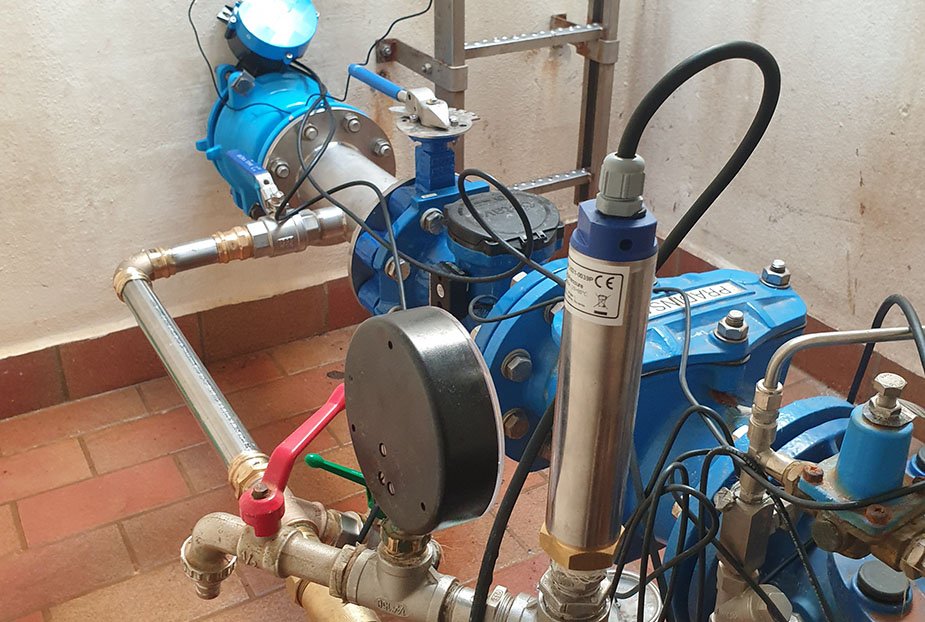
- Position Sensors: Provide continuous feedback on valve open/close status, helping to verify remote operations and detect partial closures.
- Acoustic and Vibration Sensors: Identify leaks, cavitation, or mechanical wear by analyzing sound and vibration patterns.
- Pressure and Temperature Sensors: Monitor upstream and downstream conditions to detect anomalies that may indicate valve malfunction or pipeline stress.
- Wireless Communication: Enables remote data collection and real-time alerts, even in hard-to-access locations.
- Analytics Platforms: Aggregate sensor data, apply predictive algorithms, and generate actionable maintenance recommendations.
For organizations looking to leverage data-driven maintenance strategies, advanced valve analytics systems offer a powerful way to transform raw sensor data into operational intelligence.
Benefits of Real-Time Valve Monitoring for Pipelines
Real-time monitoring delivers significant advantages for pipeline operators. By continuously tracking valve status and performance, teams can:
- Prevent Unplanned Downtime: Early warning of valve issues allows for proactive maintenance, reducing the risk of unexpected outages.
- Enhance Safety: Immediate detection of leaks or abnormal operations minimizes the potential for accidents and environmental harm.
- Lower Maintenance Costs: Condition-based maintenance reduces unnecessary inspections and extends the life of critical components.
- Support Regulatory Compliance: Automated data logging and reporting simplify adherence to industry and governmental standards.
- Improve Operational Efficiency: Integrated systems streamline workflows, enabling faster response to developing issues.
Adopting valve monitoring for pipelines is not just about technology—it’s about building a culture of reliability and accountability across the organization.
Integration with Smart Infrastructure and Data Systems
As industrial operations become more interconnected, integrating valve monitoring with broader infrastructure and enterprise systems is increasingly valuable. Solutions now offer compatibility with SCADA, DCS, and ERP platforms, providing a unified view of asset health and performance.
For example, the adoption of valve monitoring smart infrastructure enables seamless data sharing between field devices and control centers. This integration supports advanced analytics, remote diagnostics, and coordinated response strategies, all of which contribute to safer and more efficient pipeline operations.
Further, connecting monitoring data with planning tools—such as through valve monitoring integration with ERP—enables smarter resource allocation and predictive maintenance scheduling.
Choosing the Right Valve Monitoring Solution
Selecting an appropriate monitoring system depends on several factors, including pipeline size, fluid type, regulatory requirements, and existing infrastructure. Key considerations include:
- Sensor Compatibility: Ensure sensors are suitable for the operating environment and compatible with installed valves.
- Data Integration: Choose solutions that can interface with current control and data management systems.
- Scalability: Opt for platforms that can grow with your network, supporting additional assets and new technologies.
- Reliability: Prioritize systems with proven uptime and robust support for mission-critical operations.
- Security: Protect sensitive operational data with secure communication protocols and access controls.
For plant operators seeking comprehensive solutions, valve monitoring industrial solutions can provide tailored packages that address unique operational challenges.
Digital Transformation and the Future of Pipeline Integrity
The shift toward digital operations is reshaping how pipelines are managed. By embracing advanced monitoring, organizations can unlock new levels of efficiency and resilience. The integration of artificial intelligence, machine learning, and cloud-based analytics is enabling predictive maintenance and automated decision-making, reducing human error and maximizing asset value.
Industry leaders are already realizing the benefits of digital transformation in valve monitoring. For a deeper dive into how these technologies are delivering value, see this expert overview of digital transformation in valve monitoring.
Best Practices for Implementing Pipeline Valve Monitoring
To maximize the return on investment and ensure long-term success, consider the following best practices:
- Conduct a Thorough Assessment: Evaluate current assets, risk areas, and operational goals before selecting technology.
- Standardize Data Collection: Use consistent protocols and formats to simplify integration and analysis.
- Train Personnel: Equip teams with the skills needed to interpret data and respond to alerts effectively.
- Establish Clear Maintenance Procedures: Develop workflows that leverage monitoring insights for timely interventions.
- Review and Update Regularly: Periodically assess system performance and adapt to evolving operational needs.
By following these steps, organizations can ensure that their investment in valve monitoring for pipelines delivers measurable improvements in safety, reliability, and cost control.
Frequently Asked Questions
What are the main benefits of using valve monitoring in pipeline systems?
The primary advantages include early leak detection, improved safety, reduced downtime, and optimized maintenance. Real-time data helps operators address issues before they escalate, ensuring compliance and protecting both assets and the environment.
How does valve monitoring support regulatory compliance?
Automated monitoring systems record operational data and generate reports required by regulatory bodies. This documentation streamlines audits and demonstrates adherence to safety and environmental standards.
Can existing pipelines be retrofitted with modern valve monitoring technologies?
Yes, many solutions are designed for retrofit applications. Wireless sensors and modular platforms can be installed on existing valves without significant disruption, making it feasible to upgrade legacy infrastructure.